Introduction: Surge in Oil Prices Amid Geopolitical Tensions
Global oil prices have surged past the $100 mark, marking the highest levels seen in months and sparking concerns about the broader economic impact. This dramatic spike follows a series of failed peace talks between the United States and Iran, which aimed to ease tensions in the Middle East. Instead, the situation escalated after former President Donald Trump threatened to blockade the Strait of Hormuz—a critical maritime passage for global oil shipments. The combination of diplomatic stalemate and aggressive rhetoric has sent shockwaves through energy markets, with traders and investors scrambling to assess the risk of supply disruptions [Source: Source]. The sudden increase in prices is not just a reflection of immediate geopolitical events but also of broader anxieties about the stability of one of the world’s most important energy corridors.
Background: The Strait of Hormuz and Its Strategic Importance
The Strait of Hormuz is a narrow waterway situated between the Persian Gulf and the Gulf of Oman, and it serves as a vital artery for global oil transportation. Approximately 20% of the world’s petroleum passes through this strait every day, making it a linchpin for international energy supply chains [Source: Source]. Any disruption here can have outsized effects on global oil prices, given the sheer volume of crude and refined products transported—about 18 million barrels per day.
Historically, the strait has been a flashpoint for geopolitical tension. Past incidents, including tanker attacks, threats of closure, and military confrontations, have repeatedly underscored its vulnerability. These events tend to trigger market volatility, as traders factor in the risk premium associated with potential supply interruptions. The region’s strategic importance means that even minor disruptions can ripple through global markets, affecting everything from fuel prices to broader economic growth. As such, threats to block the Strait of Hormuz are taken seriously by industry stakeholders and governments worldwide, especially those heavily reliant on oil imports.
Recent Developments: Failed Peace Talks and Trump's Blockade Threat
The most recent round of peace talks between the US and Iran were seen as a potential turning point in the ongoing confrontation over nuclear programs, sanctions, and regional security. However, negotiators failed to reach an agreement, with both sides citing irreconcilable differences over key issues, including sanctions relief and commitments to regional stability [Source: Source]. The breakdown in talks has renewed fears of escalation and raised the stakes for energy markets.
In the aftermath, former President Donald Trump made headlines by threatening to blockade the Strait of Hormuz, a move that would effectively choke off a significant portion of global oil exports. Trump’s announcement was delivered in stark terms, warning that the US would use military force if necessary to prevent Iranian oil shipments and to ensure the security of allied interests in the region [Source: Source]. The threat was met with immediate reactions from global markets—oil prices surged as traders began to price in the likelihood of supply disruptions and heightened risk.
Financial analysts noted that the combination of failed diplomacy and aggressive posturing has created a perfect storm for volatility. Oil traders rushed to secure contracts, while companies exposed to energy costs braced for potential spikes. The situation underscores the delicate balance in the region and the outsized influence of political rhetoric on market sentiment.
Market Impact: Oil Price Movements and Futures Performance
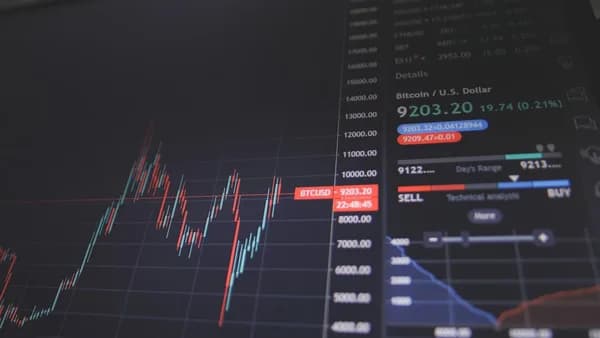
The oil market responded swiftly and sharply to the latest developments. Brent crude prices soared above $100 per barrel, a threshold not seen since the last major geopolitical crisis in the Middle East. The surge was driven by fears of a blockade at the Strait of Hormuz, which could remove millions of barrels from daily global supply and send prices even higher [Source: Source].
US futures markets also felt the impact, with stock indices dropping in response to the heightened uncertainty. The Dow Jones Industrial Average and S&P 500 both saw declines as investors reacted to the prospect of rising energy costs and broader economic instability [Source: Source]. According to Bloomberg, oil futures spiked within hours of Trump’s announcement, while energy sector stocks rallied on expectations of higher profits but broader markets retreated.
Reuters reported that the volatility extended to currency markets, with the US dollar strengthening as investors sought safe-haven assets. Meanwhile, CNN highlighted the speed and scale of the price movements, noting that energy companies and commodity traders scrambled to adjust their positions in light of the new risks.
Market observers warn that sustained tensions and a potential blockade could lead to prolonged price instability, affecting not just energy companies but consumers and industries worldwide. The immediate reaction underscores the interconnected nature of global financial markets and the outsized influence of geopolitical events on commodity prices.
Global Economic Implications and Industry Reactions
The surge in oil prices has far-reaching implications for the global economy, particularly for countries and industries dependent on affordable energy imports. Higher oil prices threaten to push up transportation and manufacturing costs, fueling inflation and potentially slowing economic growth in major importing countries such as China, India, and much of Europe [Source: Source]. Central banks and policymakers are closely monitoring the situation, wary of the potential for energy-driven inflation to complicate monetary policy.
Oil-producing nations, including Saudi Arabia and Russia, have responded cautiously, expressing concern over market stability but also noting that higher prices could temporarily boost revenues. The Organization of the Petroleum Exporting Countries (OPEC) has called for restraint and dialogue, warning that prolonged disruptions could harm the global economy and undermine long-term demand for oil [Source: Source].
Industry stakeholders, from major oil companies to shipping firms, are assessing contingency plans for potential supply chain disruptions. Some analysts suggest that a blockade—if enforced—could lead to widespread shortages, force rerouting of shipments, and increase insurance premiums for vessels operating in the region. In worst-case scenarios, prolonged tensions might incentivize strategic stockpiling, accelerate investment in alternative energy sources, or even trigger coordinated international military responses.
The broader industry reaction has been one of caution and preparedness, with companies seeking to hedge against further price increases and governments exploring diplomatic avenues to ease tensions. The situation remains fluid, with markets and policymakers alike bracing for potential escalation.
Conclusion: Outlook and Next Steps in a Volatile Market
The current surge in oil prices highlights the vulnerability of global energy markets to geopolitical risks, particularly those centered around the Strait of Hormuz. Failed peace talks and threats of blockade have created a climate of uncertainty, with immediate impacts on prices, market volatility, and economic outlooks [Source: Source]. As traders and policymakers assess the situation, the focus will be on diplomatic efforts to de-escalate tensions and ensure the continued flow of oil through critical shipping lanes.
Looking ahead, market participants will be watching for signs of renewed negotiations, potential military posturing, and industry responses to the evolving crisis. The outcome will depend largely on the ability of stakeholders to find common ground and avoid actions that could further disrupt global supply chains. In this volatile environment, the only certainty is that energy markets—and the broader global economy—will remain sensitive to every development in the region.
⚠️ Disclaimer: This article is for informational purposes only and does not constitute financial advice. Always do your own research before making investment decisions.