Why Strait of Hormuz Tensions Trigger Immediate Oil Price Surges
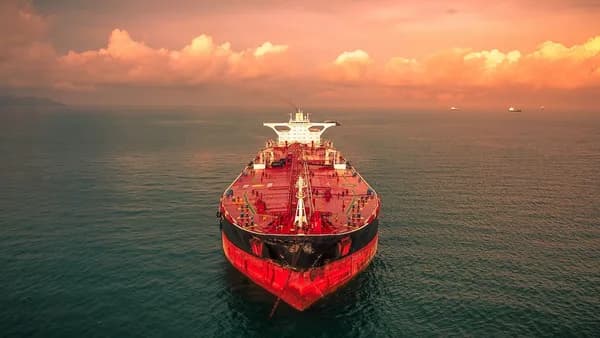
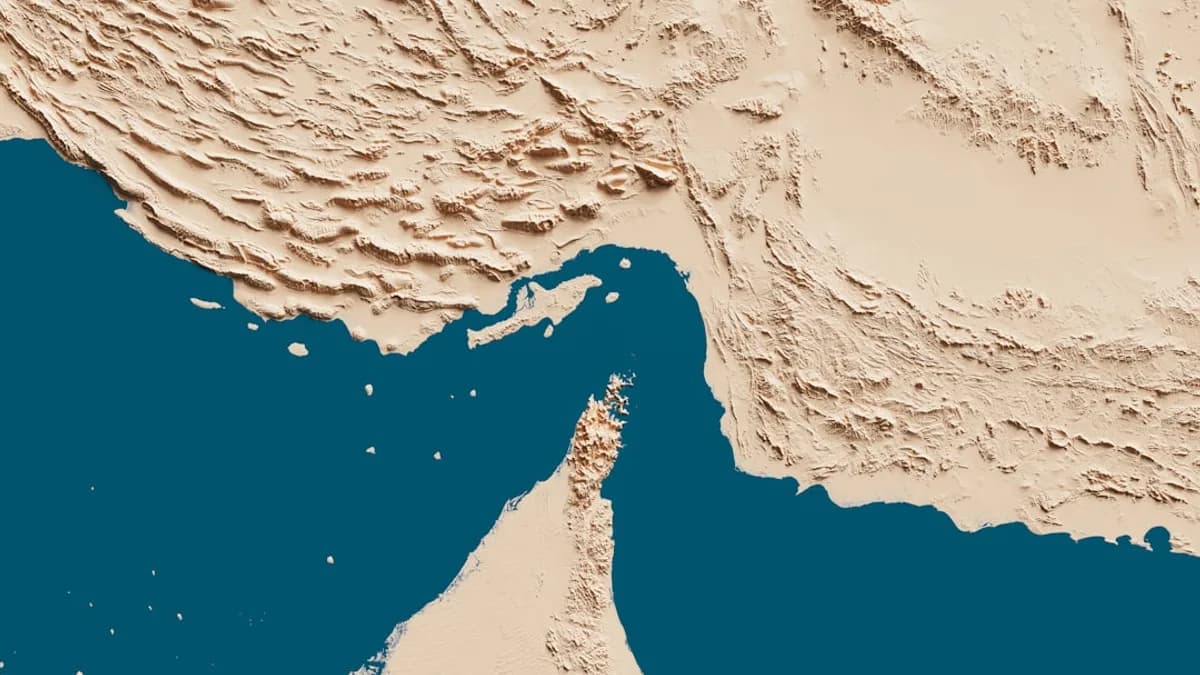
Nearly a third of global seaborne oil flows through the Strait of Hormuz — the world’s most critical energy chokepoint. When Iranian forces threaten to block or disrupt this 21-mile-wide waterway, oil traders don’t wait for missiles or embargoes. Prices spike instantly, reflecting not just supply fears but the raw leverage Iran holds over the market.
Every major oil exporter on the Persian Gulf — including Saudi Arabia, Iraq, Kuwait, UAE, and Qatar — depends on Hormuz. If even a fraction of their shipments is delayed or rerouted, Asia and Europe feel the pinch. The U.S. may talk about energy independence, but global benchmarks like Brent and WTI react to disruptions in the Gulf, not just domestic production.
Geopolitical tension here acts as a multiplier for volatility. Algorithmic trading platforms scrape headlines and satellite imagery, amplifying price moves within seconds. Traders deploy options and futures to hedge, but these instruments often chase the news, not lead it. The mere possibility of conflict—such as Iranian naval maneuvers or a drone strike—triggers “risk premiums”: extra dollars tacked onto every barrel, even before actual supply is hit.
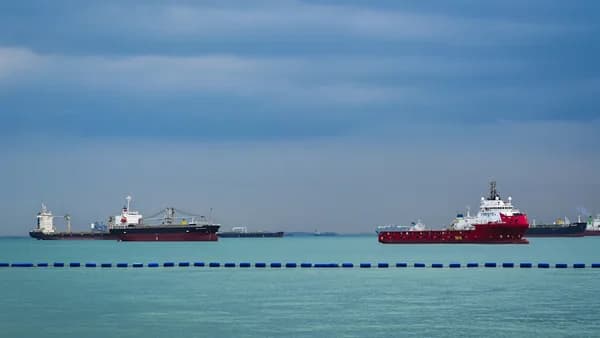
The Strait’s fragility is so well-known that insurance rates for tankers surge at the first sign of trouble. In 2019, after a handful of attacks on ships, premiums for some routes jumped 10x. This isn’t just a market reaction; it’s a signal that the oil supply chain is still vulnerable to geopolitics, despite years of diversification and technological advances.
Quantifying the Market Impact: Oil Price Spikes and Dow Futures Decline
Brent crude surged over 4% in a single trading session, crossing $90/barrel, after fresh Iranian threats to disrupt Hormuz traffic, according to Yahoo Finance. WTI followed, climbing above $86/barrel. These moves wiped out weeks of post-OPEC stability, illustrating how geopolitical shocks dwarf the effects of scheduled supply adjustments.
Meanwhile, Dow futures fell by more than 300 points overnight as investors scrambled to price in higher energy costs and broader economic risk. The S&P 500 dropped 1.2%, with energy stocks outperforming but the rest of the market retreating. This pattern mirrors sharp selloffs seen during previous Gulf crises, such as the 2019 “Tanker War” — when oil jumped 10% in days and equities lost $1 trillion in global market cap.
Options volatility spiked: the CBOE Crude Oil Volatility Index (OVX) shot up 18%, while the VIX climbed 10%. These numbers mark a reversal from the complacency that dominated markets after the U.S. shale boom. Unlike earlier this year, when OPEC+ production cuts barely moved the needle, direct threats to Hormuz sparked instant repricing.
For context, even in the post-Ukraine invasion world, oil rarely moves more than 2% on supply news. The fact that Hormuz headlines pushed prices double that rate reveals the lingering fragility of global energy security. Investors may talk about diversified supply, but the Strait’s role remains outsized.
Diverse Stakeholder Reactions to Strait of Hormuz Instability
Oil producers in the Gulf aren’t the only ones sweating. Saudi Aramco and QatarEnergy rushed to reassure buyers, claiming contingency plans and alternative routes. But these are mostly PR maneuvers; the alternatives, like the East-West Saudi pipeline, can only handle a fraction of Hormuz volumes.
Traders, meanwhile, piled into long positions, driving up call option prices and widening futures spreads. Physical traders scrambled to secure floating storage, betting that even a short-term closure could push prices toward $100/barrel. Some hedge funds rotated out of tech stocks and into energy, echoing moves seen during the 2003 Iraq invasion and the 2011 Arab Spring.
Consumers—especially in Asia—face immediate consequences. Japan and South Korea import over 60% of their crude via Hormuz. The International Energy Agency estimates that a sustained disruption could add $0.40 per gallon to U.S. gasoline prices and $2 per barrel to global benchmarks within a week. Airlines and shipping firms flagged higher fuel surcharges, raising the specter of inflation rippling through supply chains.
Geopolitical actors play a longer game. Iran uses Hormuz as a bargaining chip in nuclear talks and regional power struggles. The U.S. Navy boosted its presence, but history shows military deterrence rarely calms markets for long. Russia and China, both eager to see U.S. influence wane in the Gulf, quietly signal support for Iranian maneuvers, complicating any coordinated response.
Investor sentiment is increasingly binary: risk-off for equities, risk-on for commodities. This split reflects a broader shift—energy is regaining its role as a macro driver, not just a sector bet.
Historical Patterns of Strait of Hormuz Crises and Their Economic Consequences
The Strait has seen repeated flare-ups since the Iran-Iraq War in the 1980s, when “tanker wars” and missile attacks slashed oil flows by up to 25%. Prices then soared, triggering global recessions and diplomatic interventions. The 2012 Iranian threat to close Hormuz, amid sanctions, drove Brent to $120/barrel and forced the EU to diversify imports rapidly.
Markets often overreact in the first days—spiking prices, then settling as actual disruptions prove smaller than feared. After the 2019 attacks on tankers, oil jumped 10% but fell back within weeks as insurance and rerouting mitigated losses. Yet, every crisis leaves a lasting mark: risk premiums persist, and supply chains invest in redundancy, even if actual flows resume.
Lessons from past crises are clear: diversification helps, but not enough. The U.S. Strategic Petroleum Reserve cushioned blows in 1990 and 2012, but only for a few months. Asian buyers, lacking similar reserves, remain exposed. Markets adapted by pricing in “event risk” — a volatility premium embedded in futures and options, even during periods of calm.
Recent history also shows that algorithmic trading amplifies initial moves. In the 2019 and 2022 episodes, bots triggered selloffs or rallies within minutes of headline flashes, making volatility sharper but shorter-lived. The lesson: speed hasn’t made markets smarter, just more reactive.
Implications of Rising Oil Prices and Market Volatility for Global Energy and Finance Sectors
Sustained oil price increases feed directly into inflation. The U.S. CPI is notoriously sensitive to energy costs; a 10% rise in crude typically adds 0.2-0.4% to headline inflation within two months. For corporations, fuel costs squeeze margins: airlines, logistics firms, and manufacturers face instant pressure to raise prices or cut earnings forecasts.
Central banks watch these moves closely. The Fed and ECB have signaled that oil-driven inflation could delay rate cuts, even if core inflation slows. The last time oil breached $100/barrel, in 2011, global GDP growth slowed 0.5%, and equity markets retrenched as consumer confidence eroded.
Energy policy shifts fast during crises. The EU, burned by Russian gas disruptions, has doubled down on LNG imports and green energy investments. But real diversification takes years. Short-term, governments may release reserves or subsidize fuel, but these measures only dampen volatility briefly.
Financial markets become more risk-averse. IPOs slow, bond spreads widen, and capital shifts from growth stocks to defensive sectors like utilities and energy. Credit default swaps on oil-exposed countries spike, signaling higher perceived risk. Yet, for oil producers and major energy ETFs, these crises are windfalls: XLE and similar funds outperformed the S&P by 7% during the last major spike.
For investors, volatility is both a threat and an opportunity. The best returns come from being contrarian—buying energy at peak fear or shorting equities when complacency returns.
Forecasting Market and Geopolitical Developments Post-Strait of Hormuz Tensions
Short-term, oil prices are likely to remain elevated. Unless Iran backs down or international mediation yields a breakthrough, expect Brent to hover above $90/barrel and WTI near $86. If actual attacks or blockades occur, prices could breach $100/barrel within days, especially if insurance costs and rerouting amplify supply shocks.
Stock markets will stay jittery. Dow futures may oscillate between -300 and +200 points daily, with energy outperforming and tech retreating. The S&P 500’s trajectory will depend on how quickly central banks pivot and whether consumer confidence holds. A quick resolution—such as a U.S.-brokered truce—could unwind the spike, but history suggests premiums linger even after the threat recedes.
Medium-term, the market will price in a new risk baseline. Energy stocks will gain, but broader indices may lag until inflation fears abate. Investors should monitor tanker insurance rates, satellite traffic through Hormuz, and diplomatic signals from Iran, the U.S., and Gulf producers.
Policymakers face tough choices. Strategic reserves may be tapped, but replenishing them will require higher prices. Expect accelerated investment in alternative energy and supply routes, but don’t expect overnight solutions. The next six months will test both market resilience and political will.
The most likely scenario: volatility remains high, but barring full-scale conflict, oil stabilizes in the $90-$100 range. Equities recover but with persistent energy-led divergence. Smart money will chase options volatility and energy overweight, while retail investors scramble to hedge inflation risk. The Strait’s leverage over global markets is intact—and the risk premium is here to stay.
⚠️ Disclaimer: This article is for informational purposes only and does not constitute financial advice. Always do your own research before making investment decisions.
The Bottom Line
- Disruptions in the Strait of Hormuz directly impact global oil prices and economic stability.
- Geopolitical tensions amplify market volatility, affecting investment decisions and consumer costs.
- Insurance and shipping costs for oil tankers spike, raising concerns about energy security.