Unpacking the Paradox: Why Norwegian Cruise Line Holdings Faces Challenges Amid Promising Growth
Norwegian Cruise Line Holdings (NCLH) boasts a pipeline of new ships and ambitious expansion targets, yet its stock has lagged rivals and the S&P 500 — even as travel demand rebounds. The disconnect isn’t just about timing. Investors are grappling with a stack of headwinds that threaten to undercut NCLH’s long-term promise, from debt hangover to cost inflation and emerging competition. Despite booking volumes inching up, the market isn’t buying the optimism.
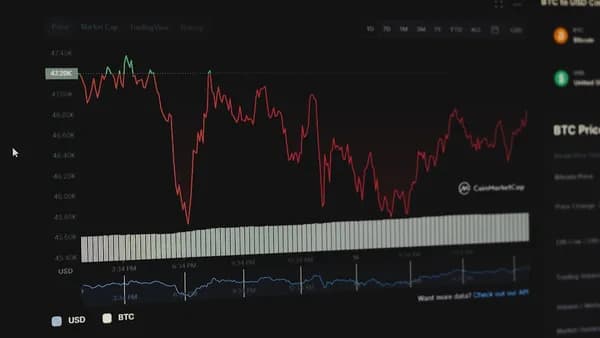
Recent months saw NCLH stock slide over 20%, underperforming Royal Caribbean and Carnival by double digits. The company faces a collision of external pressures: high interest rates, volatile fuel costs, and supply chain snags. Meanwhile, cruise fares haven’t kept pace with rising expenses, eroding margins and dampening earnings outlooks. Operational disruptions — including itinerary changes and staffing shortages — compound the challenge, forcing the company to spend more just to maintain baseline service standards.
This isn’t a simple post-pandemic hangover. Norwegian’s woes reflect a deeper tension between its growth ambitions and the structural limits of its balance sheet, as highlighted in Yahoo Finance. Investors betting on a quick turnaround are learning that scale alone won’t insulate NCLH from macro shocks or shifting consumer priorities.
Crunching the Numbers: Financial and Operational Metrics Behind NCLH’s Current State
NCLH’s latest quarterly financials paint a picture of slow progress but stubborn constraints. Revenue for Q1 2024 hit $1.87 billion, up 15% year-over-year, but operating expenses soared nearly as fast, leaving adjusted EBITDA at $440 million — a margin barely improved from pre-pandemic levels. Net income remains elusive: NCLH booked a loss of $70 million, a disappointment given analyst forecasts of breakeven.
Debt overshadows the recovery. Norwegian’s total debt stood at $13.5 billion as of March, with annual interest payments approaching $800 million. The company’s leverage ratio is above 6x EBITDA — risky territory, especially with floating-rate debt exposed to future hikes. By comparison, Royal Caribbean’s leverage is closer to 4x, giving it more room to maneuver.
Operational metrics offer mixed signals. Occupancy rates have climbed above 100% (thanks to double-occupancy cabins), but passenger yields — revenue per guest — remain flat, squeezed by promotional fares and onboard spend slowdowns. Booking trends are up, but not fast enough to offset cost inflation: Norwegian reported forward bookings at 90% of 2019 levels, while Carnival and Royal Caribbean have already surpassed pre-pandemic highs.
Cash flow is a flashpoint. Free cash flow was negative last quarter, forcing Norwegian to draw down $400 million from credit facilities. Liquidity is sufficient for now ($2.2 billion in cash and undrawn lines), but with heavy capex commitments for new ships, flexibility is limited. Any shock — a fuel spike, another travel disruption, or a demand wobble — could push NCLH back into defensive mode.
Diverse Stakeholder Perspectives: How Investors, Customers, and Industry Experts View NCLH’s Future
Investors are split. Wall Street analysts rate NCLH a “Hold” or “Underperform” more often than peers, citing persistent margin pressure and debt overhang. Short interest hovers near 8% of float, signaling skepticism about near-term upside. Institutional buyers like BlackRock and Vanguard trimmed their positions this spring, while retail sentiment remains cautious, with message boards filled with concern about liquidity and dividend prospects.
Customers bring their own set of challenges. Surveys show cruise travelers increasingly prioritize flexibility, digital upgrades, and health protocols. Norwegian’s core demographic — younger, more adventurous cruisers — is less loyal than Carnival’s family-focused base or Royal Caribbean’s luxury segment. Negative reviews about onboard staffing and itinerary changes have crept up on TripAdvisor and Cruise Critic, potentially dampening repeat bookings.
Industry experts see Norwegian as a “middle child” fighting to carve out differentiation. Its smaller fleet limits economies of scale, and while new ships like the Prima class boast advanced features, competitors are launching even larger vessels with broader amenities. Analysts point to Norwegian’s heavier exposure to European and Alaska routes, which have seen more disruption from geopolitical pressures and weather. The consensus: Norwegian’s premium positioning is being tested by macro volatility and relentless cost creep.
Navigating Rough Waters: Historical Challenges and Industry Comparisons Shaping NCLH’s Journey
Norwegian’s recovery since the pandemic has lagged peers. When cruising resumed in mid-2021, NCLH’s smaller fleet and niche itineraries forced a slower ramp-up. While Carnival and Royal Caribbean leveraged scale to renegotiate supplier contracts and drive down per-berth costs, Norwegian struggled to match those efficiencies. Its 2022 revenue growth was just 55%, compared to Carnival’s 80% and Royal Caribbean’s 70%, underscoring how size and network matter in crisis rebound.
Past downturns offer lessons. During the 2008-09 financial crisis, Norwegian pivoted to upscale offerings and longer voyages, temporarily boosting yields. But heavy investment in new ships during the 2010s left the company with a leveraged balance sheet — a vulnerability when COVID-19 hit. In contrast, Royal Caribbean slowed its expansion, focusing on cash preservation and debt reduction. That strategic divergence explains much of the post-pandemic gap: NCLH’s aggressive growth left it less nimble.
Operational resilience is now a moving target. Norwegian’s bet on innovation — like smaller, premium ships and novel onboard experiences — risks being outpaced by competitors who can scale tech and amenities faster. The company’s response to past disruptions (e.g., rapid route redeployment after hurricanes) shows agility, but the financial strain of such pivots is higher than for its rivals.
Implications for Investors and the Cruise Industry: What NCLH’s Struggles Signal for Market Players
Norwegian’s challenges aren’t unique, but they’re amplified by its strategic choices. Investors eyeing NCLH stock face outsized risks: high debt, thin margins, and limited pricing power. If cost inflation persists or travel demand softens, Norwegian could be forced into further asset sales or dilutive capital raises. On the upside, the company’s new ships offer potential for yield improvement, but only if operational disruptions ease and demand holds.
For the broader cruise industry, NCLH’s struggles signal a shift. The days of cheap debt and rapid expansion are over. Operators must balance innovation with financial discipline, as regulators tighten oversight and consumers demand safer, greener ships. Norwegian’s margin squeeze foreshadows similar pain points for smaller players — and hints at future consolidation. If Norwegian falters, expect rivals to scoop up distressed assets and routes, reshaping market share.
Consumer behavior is evolving. The post-pandemic surge in “revenge travel” is cooling, replaced by demand for value, flexibility, and wellness. Norwegian’s mid-market positioning could suffer as price-sensitive travelers flock to Carnival, while luxury seekers gravitate toward Royal Caribbean. Regulatory risk looms: new environmental rules and port fees could hit NCLH harder than larger peers, with less capacity to absorb cost shocks.
Forecasting the Horizon: Strategic Moves and Market Conditions That Could Turn NCLH’s Fortunes
Norwegian’s turnaround depends on more than organic growth. The company is betting on sustainable cruising, investing $500 million in emissions reduction and green tech through 2027. If regulatory penalties for emissions tighten, these investments could pay off — but they hinge on execution and passenger willingness to pay premium fares.
Tech adoption is another lever. Norwegian’s rollout of AI-driven guest personalization and digital check-in aims to boost onboard spend and streamline operations. Early results are promising: pilot programs saw ancillary revenue rise 12% year-over-year. To accelerate recovery, Norwegian could deepen partnerships with travel tech platforms and target emerging markets (e.g., Asia-Pacific), where cruise penetration remains low.
Strategically, NCLH must rebalance its growth approach. Deleveraging is critical: asset sales or joint ventures could free up cash and reduce risk exposure. The company might also pivot to longer, higher-margin itineraries, or expand charter operations to stabilize revenue.
Macroeconomic and geopolitical risks remain wild cards. If the Fed cuts rates, Norwegian’s interest burden could ease, unlocking more cash for expansion. But a global slowdown or new travel restrictions would squeeze the company further. In a bullish scenario, Norwegian’s investments in sustainability and tech position it for a rebound as consumer preferences shift. More likely, the next 12-18 months will be a grind — with market share battles intensifying and investors demanding proof of operational discipline before rewarding NCLH with a rerating.
Smart money should watch liquidity, booking trends, and cost management. If Norwegian can stem cash burn and push yields higher, the stock could rebound sharply. But the evidence so far suggests investors shouldn’t expect a straight path to recovery.
⚠️ Disclaimer: This article is for informational purposes only and does not constitute financial advice. Always do your own research before making investment decisions.
The Bottom Line
- NCLH's underperformance highlights risks for investors despite industry recovery.
- Rising costs and debt are limiting the company's ability to deliver profits.
- Competitive pressures and operational challenges could impede future growth.