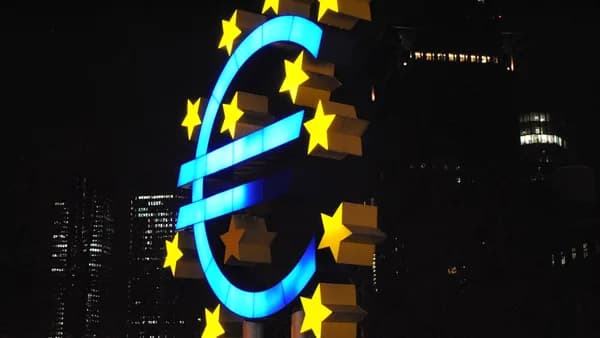
Middle East Conflict Sparks Speculation of ECB Interest Rate Cuts
Fresh violence in the Middle East has jolted European Central Bank policymakers into rethinking their next moves on interest rates. As tensions escalated in the region over the past two weeks—with major oil producers on edge and supply routes threatened—eurozone investors are betting the ECB may opt for early rate cuts to cushion the economic blow. Market swaps are now pricing in a strong chance of a rate reduction as soon as June, according to CryptoBriefing.
The shockwaves from regional instability are hitting a eurozone already flirting with recession. Manufacturing output contracted for the ninth consecutive month in March, while German business confidence tumbled to a six-month low. The Bundesbank warned last week that the country may not escape another quarter of negative growth—meeting the technical definition of a recession.
ECB officials, who only months ago struck a hawkish tone on inflation, are now openly debating the risks of doing too little, too late. Senior board member Isabel Schnabel said on Monday that "geopolitical uncertainty adds downside growth risks"—a shift from her usual focus on price stability. Traders are watching for signals from ECB President Christine Lagarde, who faces mounting pressure to pivot as the economic outlook darkens.
Bond yields across the euro area dropped sharply following the latest Middle East headlines, indicating investors are bracing for a dovish shift. ING and BNP Paribas economists now forecast at least two rate cuts by September if the conflict drags on and consumer confidence continues to sink.
Rising Energy Costs Heighten Inflation Risks Despite Potential ECB Easing
Oil prices have surged 12% since the start of April, with Brent crude breaching $90 a barrel for the first time since October. The Middle East conflict has stoked fears of supply disruptions in the Strait of Hormuz—a chokepoint for nearly a fifth of global oil flows. Natural gas futures in Europe, already volatile after Russia’s invasion of Ukraine, spiked in tandem, reigniting concerns about energy-driven inflation.
This leaves the ECB in a perilous position. Cutting rates could soften the blow from a growth shock, but also risk unleashing a new wave of inflation if energy costs spiral. The central bank’s benchmark deposit rate sits at a record 4%, with inflation in the eurozone still running at 2.4%—uncomfortably above the ECB’s 2% target. Wage pressures remain sticky, especially in the services sector, complicating the policy calculus.
Consumers and businesses face dueling signals: falling purchasing power from higher energy bills, but the prospect of easier credit conditions if the ECB moves. According to a flash Eurobarometer survey, 63% of EU households worry that another energy price spike would force them to cut non-essential spending. Equity markets remain on edge; the Stoxx 600 slid 2.7% last week, erasing year-to-date gains in energy-intensive sectors like chemicals and autos.
Analysts warn that if the ECB misjudges, it could repeat the 2008-2011 cycle—when premature rate hikes and cuts whipsawed markets without taming inflation or rescuing growth. "The danger is stagflation, not just inflation," said a senior strategist at UBS.
What to Watch: ECB Decisions and Economic Indicators in the Coming Months
All eyes are now on the ECB’s next Governing Council meeting on June 6, where the official rate path for summer may crystallize. Markets will parse every word from Lagarde’s press conference and minutes for hints about the central bank’s willingness to look past near-term inflation in favor of growth support.
Key economic indicators to watch: eurozone PMI data for April (due later this month); the next flash inflation estimate on May 2; and German GDP figures on April 30. A surprise contraction or inflation spike could force the ECB’s hand—either toward an earlier cut or a longer pause.
Three scenarios are on the table. If oil prices stabilize and inflation shows signs of peaking, the ECB may opt for a cautious, one-and-done cut by mid-year. But if recession pressures intensify while energy costs soar, expect a more aggressive easing cycle—at the risk of losing credibility on price stability. Conversely, a rapid de-escalation in the Middle East would buy policymakers time, but few strategists view that as likely.
For investors, volatility is the only certainty. Bond markets are already adjusting to a new risk regime, with German bund yields hitting three-month lows. Equity investors should brace for more swings as the ECB’s balancing act grows trickier. Watch for further guidance from board members in the coming weeks—every signal counts as Europe’s central bank walks its tightrope between growth and inflation.
⚠️ Disclaimer: This article is for informational purposes only and does not constitute financial advice. Always do your own research before making investment decisions.
Impact Analysis
- Escalating Middle East tensions are increasing pressure on the ECB to cut interest rates to prevent a eurozone recession.
- Surging oil prices risk worsening inflation while threatening economic growth, complicating central bank policy responses.
- Investors and economists expect a more dovish ECB stance, which could affect eurozone borrowing costs and financial markets.