Jim Cramer Criticizes Meta’s Stock Performance Amid Market Turmoil
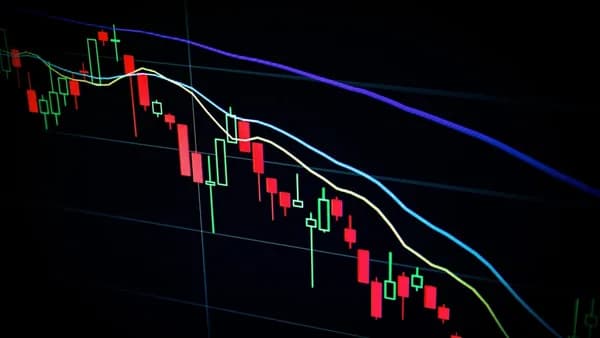
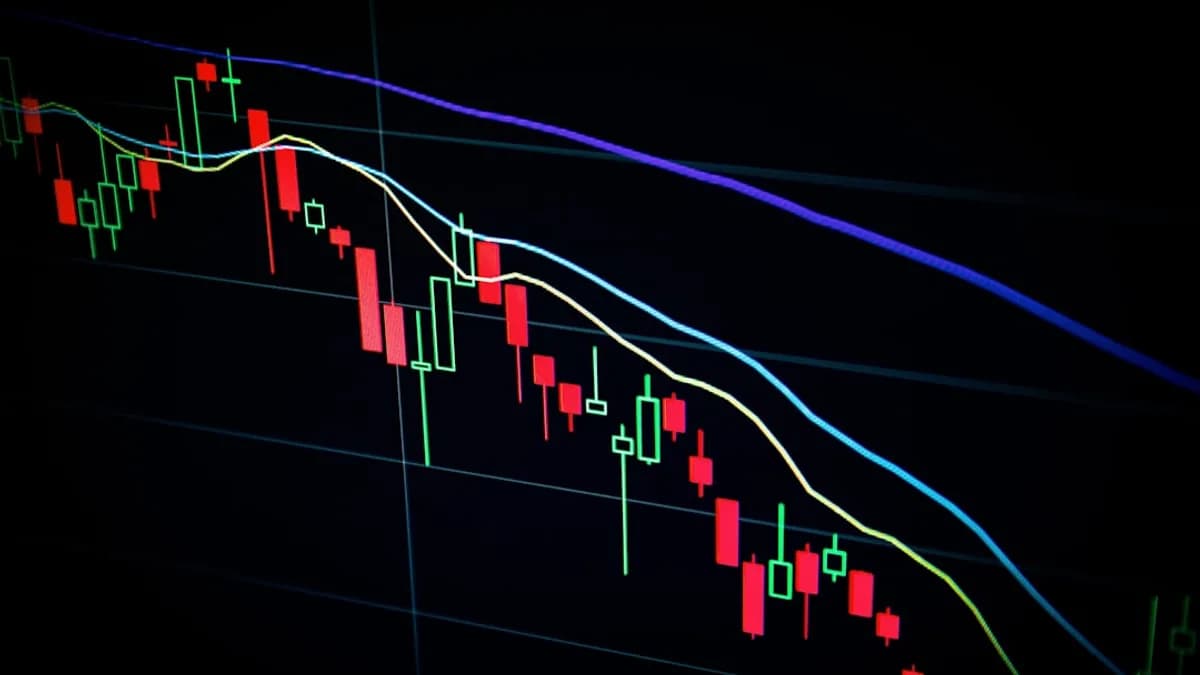
Jim Cramer didn’t mince words on CNBC, blasting Meta’s battered share price as “being clubbed like a baby seal.” The CNBC host’s graphic metaphor underscored how sharply the social media giant has fallen out of favor on Wall Street this quarter, with shares down over 10% in just the last two weeks. Meta’s slide stands out even in a tech sector reeling from rate jitters and profit-taking—its post-earnings drop wiped more than $200 billion from its market cap in a single session last month, one of the steepest one-day losses in U.S. market history, according to Yahoo Finance.
Cramer’s comments landed as investors digested another day of volatility for the Nasdaq. While big tech often acts as a defensive haven, Meta has been singled out for punishment since its April report missed on operating income and signaled slower revenue growth ahead.
The timing is stinging: Meta had been a rare mega-cap outperformer earlier in 2024, notching a $1 trillion valuation and surging over 40% year-to-date before the selloff accelerated.
Factors Driving Meta’s Stock Decline and Investor Concerns
Meta’s latest quarterly results spooked the street. Revenue grew 27% year-over-year to $36.5 billion, but costs ballooned faster, and guidance for Q2 flagged a deceleration investors didn’t want to hear. Operating margin shrank to 38% from 43% a year prior. The company’s Reality Labs division, which houses its metaverse bet, posted another staggering loss—over $4.5 billion for the quarter, with no clear path to near-term profitability.
The market’s reaction was swift. Meta’s stock fell more than 15% in after-hours trading post-earnings, the steepest drop in the “Magnificent Seven” cohort. Analysts pointed to persistent concerns: TikTok’s relentless encroachment on younger users, Apple’s privacy changes crimping ad targeting, and the U.S. and EU piling on antitrust scrutiny. In April, the Federal Trade Commission signaled it could force Meta to unwind acquisitions like Instagram and WhatsApp—a threat that, if realized, would fundamentally alter the company’s profit engine.
Zooming out, tech stocks more broadly have lost their Teflon coating. The Nasdaq Composite is off 6% from its March highs, with AI and cloud stocks stalling despite a robust economy. Investors are rotating into energy and financials, betting that higher-for-longer rates will erode tech’s premium multiples. Meta, with its eye-popping $36 billion in annual free cash flow, is no longer enough of a safe haven when growth looks shaky and regulatory threats multiply.
What Investors Should Watch Next for Meta’s Recovery Potential
Meta’s next earnings report, slated for late July, will be the stress test. Key metrics to watch: ad revenue growth, margins, and user engagement on Facebook, Instagram, and WhatsApp. Any sign that ad dollars are rebounding or that Reels is closing the gap with TikTok would help repair sentiment. Watch for updates on spending discipline—Meta promised earlier this year to “rationalize” Reality Labs losses, but investors want concrete proof, not just rhetoric.
Strategically, CEO Mark Zuckerberg is doubling down on AI, touting Llama 3 as a rival to OpenAI’s GPT-4 and pushing generative AI tools for advertisers. Early adoption rates and any uptick in ad conversion attributable to these tools will be scrutinized. If Meta can show that its AI investments are driving incremental revenue without ballooning costs, that could flip the narrative.
Regulatory headwinds remain the wild card. The FTC’s antitrust campaign isn’t going away, and the EU’s Digital Markets Act could force sweeping changes to Meta’s ad stack and cross-app data sharing by year’s end. Investors should brace for headline risk—any enforcement action or forced divestiture would hit not just the stock, but the business model.
One bright spot: Meta’s valuation, now trading around 21x forward earnings after the selloff, is the cheapest among its mega-cap peers. For value-focused funds, that’s an entry point—if the company can prove the worst is over. But until the next earnings season delivers clarity, expect more volatility and little mercy from the market.
⚠️ Disclaimer: This article is for informational purposes only and does not constitute financial advice. Always do your own research before making investment decisions.
The Bottom Line
- Meta’s massive stock drop signals shifting investor sentiment for big tech.
- Operating margins are shrinking, raising concerns about Meta’s profitability.
- Continued losses in Reality Labs highlight risks in Meta’s future strategy.