Why Reacting Strongly to Minor Market Fluctuations Reveals a Flawed Retirement Strategy
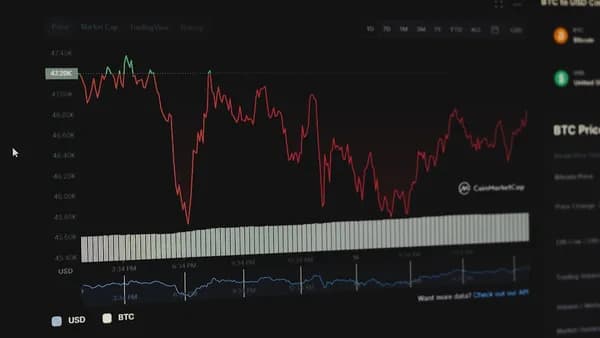
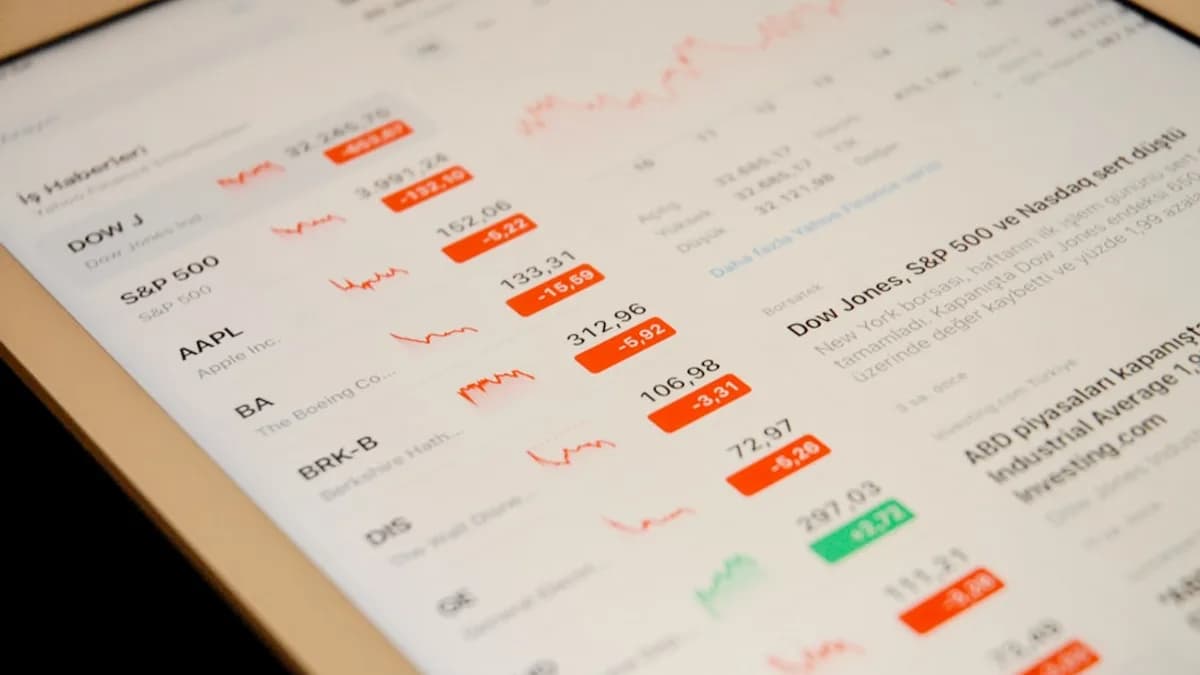
If a 2% dip in the S&P 500 rattles your retirement confidence, your plan isn’t a plan—it’s a hope. Short-term volatility is the market’s heartbeat, not an emergency alarm. The American stock market, for instance, has averaged a 14% intra-year decline since 1980, yet ended positive in 32 of those 43 years. That’s not luck; it’s the long arc of market growth. The latest hand-wringing over minor declines, as noted by Yahoo Finance, exposes a deeper problem: millions of savers aren’t investing, they’re gambling with their futures.
Emotional reactions to tiny market moves often signal an underlying lack of conviction in the strategy itself. If you’re glued to your brokerage app, sweating every red tick, you’re not trusting the process—you’re chasing daily reassurance. That’s a recipe for stress, not security. The only thing a robust retirement plan should fear is a permanent loss of capital or a fundamental shift in your needs—not a blip on the chart.
Building a Retirement Plan That Withstands Market Volatility
A real retirement plan is built to absorb shocks, not collapse at the first tremor. Diversification is the bedrock: spreading assets across equities, bonds, real estate, and even alternatives dampens the impact of any single market’s tantrum. Vanguard’s research shows that a diversified 60/40 portfolio (stocks/bonds) weathered the 2008 crash with a 20% drawdown, compared to over 37% for pure stocks. That difference is the gap between a painful but recoverable setback and a panic-driven exit at the bottom.
Risk tolerance isn’t a buzzword—it’s a filter for how much volatility you can stomach without sabotaging your own plan. A 30-year-old with decades to ride out the market’s storms should behave differently than a recent retiree drawing down assets. But both need to calibrate exposure in advance, not in the heat of the moment. Long-term investment horizons are a superpower. A 2% move in a single week means little when compounding works over decades. Over any 20-year period since 1926, U.S. stocks have posted positive returns 100% of the time. The math is on your side, if you let it work.
But that doesn’t mean “set and forget.” Markets, tax laws, and personal circumstances change. The right move is to schedule regular reviews—quarterly or annually—so you can rebalance, adjust contributions, or shift allocations with deliberation, not panic. The investor who tweaks their plan thoughtfully outpaces the one who reacts to every headline.
The Psychological Pitfalls of Overreacting to Market Noise
Behavioral finance has a term for this: loss aversion. Humans feel the sting of losses twice as strongly as the pleasure of gains, a bias that pushes investors to sell low and buy high. Herd mentality kicks in too—when everyone else seems to be running for the exits, even seasoned investors can second-guess themselves.
Take the COVID crash in March 2020. U.S. equities plunged nearly 34% in a matter of weeks. Those who panic-sold locked in losses, missing the record-breaking recovery that followed—by August, the S&P 500 was back at all-time highs. Fidelity’s data shows that retirement savers who made no changes during the crash saw their balances rebound by 7% by year-end; those who moved to cash missed the bounce and ended up worse off.
Emotional decision-making is the silent killer of retirement dreams. The market rewards patience and punishes knee-jerk reactions. If every modest dip triggers a “sell everything” impulse, you’re handing your future to your own worst instincts.
When Market Moves Should Actually Prompt Action
Not every market move is noise. Sometimes, the world does change. The 2008 financial crisis wiped out institutions and rewrote regulations. If your retirement plan was loaded with bank stocks or real estate CDOs in 2007, you needed more than patience—you needed an overhaul.
The key is to distinguish between a routine fluctuation and a fundamental shift. Minor dips—2%, 5%, even 10%—are normal. Structural problems, like a recession, a major policy change, or a personal shock (job loss, divorce, health crisis), demand a review. But the answer is a measured assessment, not a panic-fueled trade.
A resilient plan is proactive, not reactive. It incorporates “what if” scenarios so that even major changes don’t force desperate scrambling. Review, adjust, and stay informed—but don’t confuse volatility with crisis.
Taking Control: How to Develop Confidence and Discipline in Your Retirement Plan
Confidence in your retirement plan isn’t about prediction—it’s about preparation. The best investors aren’t immune to fear; they’re disciplined enough to act on reason, not emotion. Start by educating yourself: understand market history, volatility patterns, and basic portfolio theory. The more you know, the less you’ll overreact to noise.
Set concrete retirement goals: how much you’ll need, when you want to retire, and how much you can save. Consult a fiduciary financial advisor who can pressure-test your plan and spot blind spots you might miss alone. Automate your contributions, rebalance on a schedule, and trust in the power of time.
The next time headlines scream about a 2% drop, ask yourself: is my plan built for decades or days? If you’re still nervous, your strategy needs fixing—not the market. Commit to a process that prioritizes long-term outcomes over short-term comfort. In the end, the market will always move. Your future shouldn’t depend on whether you flinch.
If you don’t have a plan you can stick with through turbulence, you don’t have a plan at all. Start building one that can withstand the next storm—because it’s coming, and those who prepare will sleep just fine.
⚠️ Disclaimer: This article is for informational purposes only and does not constitute financial advice. Always do your own research before making investment decisions.
Key Takeaways
- Reacting emotionally to small market moves signals a weak retirement strategy.
- Diversification can drastically reduce losses during market downturns.
- Long-term market data shows short-term volatility is normal and survivable for well-constructed plans.