Introduction to Kevin Warsh’s Fed Nomination and Senate Confirmation Status
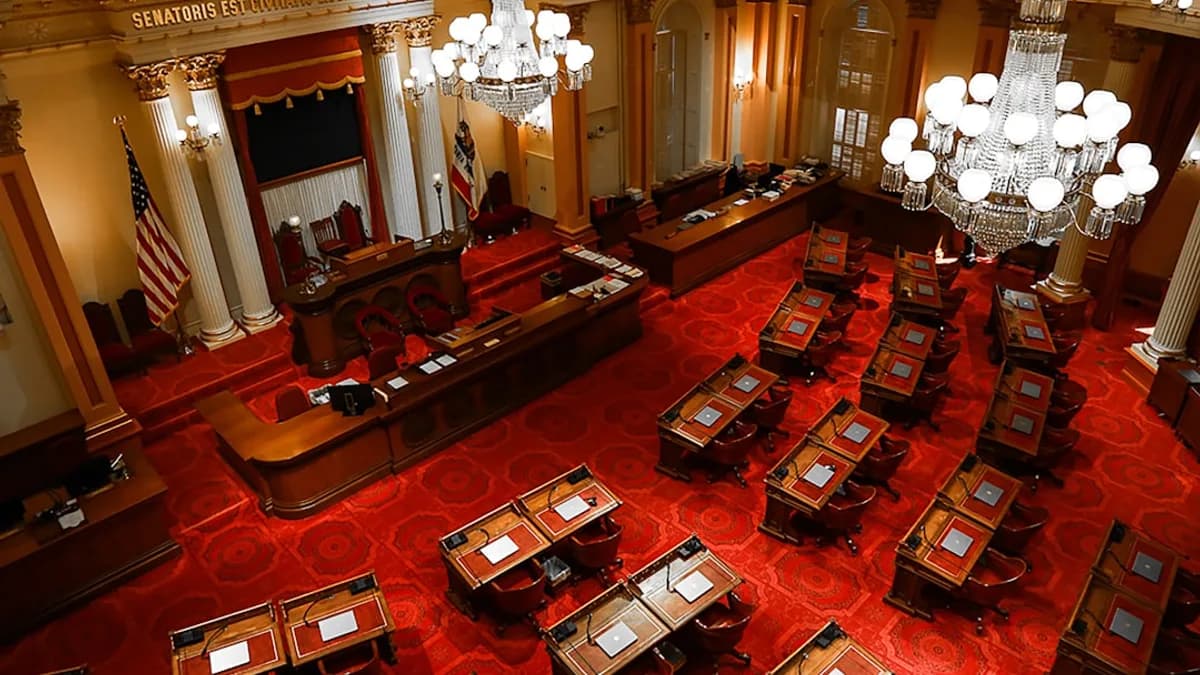
The battle for the next Federal Reserve chair is entering a critical—and unusually fraught—phase. Kevin Warsh, a former Fed governor with deep ties to both Wall Street and Silicon Valley, now faces a pivotal Senate confirmation hearing. While President Trump’s endorsement has propelled Warsh into the spotlight, his path to the Fed’s top job is anything but certain. Senators on both sides are signaling skepticism, and the process has stalled in a political limbo with high stakes for the U.S. economy. The outcome will shape not just interest rates, but also the credibility and strategic direction of the world’s most influential central bank [Source: Source].
Amid a backdrop of inflation anxiety, market volatility, and debate over the Fed’s independence, Warsh’s nomination has become a proxy for broader questions about how the central bank should navigate a rapidly changing economic landscape. As the Senate prepares to grill Warsh on his track record and vision, investors, policymakers, and tech leaders alike are watching closely—knowing that the next Fed chair will wield immense power over America’s financial future.
Kevin Warsh’s Background: From Silicon Valley to the Federal Reserve
Kevin Warsh’s résumé reads like a blueprint for the modern financial insider. After earning his law degree from Harvard, Warsh quickly found his way to Morgan Stanley, where he worked on mergers and acquisitions during the dot-com boom. But it’s his deep connections to Silicon Valley that set him apart from other Fed nominees. Warsh married into the family of billionaire Ronald Lauder and cultivated close relationships among tech titans, advising companies like Google and Facebook during their formative years [Source: Source].
This blend of Wall Street savvy and West Coast innovation gives Warsh a unique vantage point. Where traditional Fed candidates often rise through academia or government service, Warsh’s experience in technology informs his views on the digital economy, financial innovation, and the disruptive power of startups. He has argued that the Fed must adapt to technological change—not just regulate it—which could mean a more open stance toward fintech, cryptocurrencies, and alternative lending platforms.
If confirmed, Warsh would become the first Fed chair with a distinctly “tech bro” profile. This raises important questions: Could his outlook foster a more tech-forward central bank? Or would his industry ties spark concerns about regulatory capture and conflicts of interest? The central bank has long been criticized for lagging behind in understanding digital transformation. Warsh, with his finger on the pulse of Silicon Valley, could steer the Fed toward a more proactive approach—potentially accelerating the integration of digital tools in monetary policy, payment systems, and bank supervision.
Yet, this background is a double-edged sword. Critics worry Warsh might be too cozy with big tech and finance, potentially prioritizing the interests of innovators over systemic stability. Still, at a time when the U.S. faces rising competition from China in digital currency and financial technology, Warsh’s background could give the Fed an edge in the next phase of global monetary competition.
Key Issues in Warsh’s Senate Grilling: Defending Fed Independence and Monetary Policy
Warsh’s confirmation hearing promises to be a high-wire act, with senators on both sides pressing him on one central issue: the Federal Reserve’s independence. Recent years have seen unprecedented political pressure on the Fed, especially from the White House, to lower interest rates and support growth at all costs [Source: Source]. Warsh is expected to defend the central bank’s autonomy, but his critics point to past comments suggesting he favored a more responsive—some say pliable—Fed during times of crisis.
Senate panel members will likely probe Warsh on how he would handle pressure from the administration to cut rates, particularly if inflation remains stubborn or the economy slows. They’ll also scrutinize his approach to quantitative easing—a tool he has previously criticized as being overused. Warsh’s testimony may reveal whether he supports continuing the Fed’s current cautious, data-driven stance, or if he would push for a more activist role in monetary policy.
The stakes are enormous. If Warsh signals even a hint of willingness to bend to political influence, markets could react with alarm. An erosion of Fed independence would undermine investor confidence, potentially stoking volatility in bonds, equities, and currencies. On the other hand, a chair who is seen as too rigid or out of touch with economic realities could slow the recovery or mishandle inflation risks.
Broadly, the Senate’s grilling will spotlight the larger debate over how the Fed should balance its dual mandate of price stability and full employment. Warsh’s responses will offer clues about his willingness to break from orthodoxy, embrace unconventional tools, or double down on traditional interest rate policies. These answers will reverberate far beyond Capitol Hill, informing the expectations of global investors and central bankers alike.
The Fed Chair Succession Saga: Political and Economic Implications
The succession saga at the Fed has become a microcosm of America’s broader political polarization. After years of relative calm under chairs like Ben Bernanke and Janet Yellen, the central bank now finds itself in the political crosshairs. Warsh’s nomination, in particular, has exposed deep divides—not just between Republicans and Democrats, but within financial and policy circles [Source: Source].
Some see Warsh as a pragmatic reformer, able to bridge the worlds of finance, technology, and government. Others view him as an outsider with insufficient academic credentials and a tendency to favor industry interests. The confirmation process has dragged on as senators weigh these competing narratives, with some worried that a rushed appointment could destabilize the Fed’s credibility.
Delays or complications in confirming a new chair carry real risks. The Fed is the anchor of global financial stability, and any perception of leadership vacuum can unsettle markets and undermine the economic recovery. The longer the uncertainty drags on, the more likely it is that businesses and investors will hesitate to commit to long-term plans, fearing abrupt policy shifts or political interference.
Historically, the Fed has prided itself on smooth transitions—think of the seamless handovers from Alan Greenspan to Bernanke, or from Yellen to Jerome Powell. Today’s environment is far less predictable. The Warsh nomination, regardless of outcome, could set a precedent for more politicized, contentious confirmation battles in the future. That, in turn, could weaken the Fed’s standing as a technocratic institution above the political fray.
Analysis: What Warsh’s Confirmation Could Mean for the Future of U.S. Monetary Policy
If Kevin Warsh secures the Senate’s backing, his approach to monetary policy could mark a sharp departure from the status quo. Warsh has consistently advocated for a more rules-based, transparent framework, criticizing what he sees as excessive reliance on crisis-era tools like quantitative easing [Source: Source]. In the short term, this could translate to a more hawkish stance on inflation—potentially favoring earlier, more decisive rate hikes if price pressures persist.
His Silicon Valley pedigree may also signal a tilt toward greater openness to financial innovation. Unlike past Fed chairs, Warsh has publicly discussed the need for the central bank to keep pace with technological change, including the rise of cryptocurrencies, central bank digital currencies (CBDCs), and decentralized finance. Under his leadership, the Fed could accelerate pilot programs in digital payments, partner more closely with fintech firms, or even experiment with new regulatory sandboxes.
At the same time, Warsh’s Wall Street background could make him more attuned to market dynamics. This dual sensibility—combining tech enthusiasm with financial pragmatism—might help the Fed better anticipate disruptions, from cyber threats to algorithm-driven trading volatility. However, it also raises concerns about potential blind spots, especially around systemic risk and inequality. The challenge will be to balance innovation with the Fed’s core responsibilities: maintaining price stability, fostering employment, and safeguarding the financial system.
Warsh’s critics warn that his record on inflation-fighting is mixed. During his previous stint at the Fed, he was seen as slow to react to emerging risks, and some economists question whether his proposed reforms would improve or complicate the central bank’s toolkit. Others worry that his close ties to industry could weaken the Fed’s hand in regulating big banks and tech giants.
Still, Warsh’s nomination comes at a time of extraordinary flux. Inflation remains above target, labor markets are evolving in the wake of the pandemic, and the U.S. faces new geopolitical risks. The next Fed chair will need to chart a course through these crosscurrents, blending caution with boldness. Warsh’s unique experience—straddling the worlds of tech and finance—could prove an asset if he can leverage it to modernize the Fed without compromising its independence or credibility.
Ultimately, Warsh’s confirmation would send a signal: that the Fed is ready to engage more directly with the challenges and opportunities of the digital age. But it would also underscore the growing influence of Silicon Valley in shaping the future of economic policy. How Warsh navigates this delicate balance will define not just his legacy, but the trajectory of U.S. monetary policy for years to come.
Conclusion: The Road Ahead for Kevin Warsh and the Federal Reserve
Kevin Warsh’s nomination as Federal Reserve chair comes at a critical inflection point for both the central bank and the broader economy. His unique blend of Silicon Valley and Wall Street experience promises a fresh perspective, but also invites scrutiny about where his true priorities lie. As the Senate weighs his confirmation, the process has already become a test of the Fed’s independence, adaptability, and ability to lead in uncertain times.
The coming weeks will be decisive. If Warsh emerges from the Senate gauntlet with support, he could reshape the Fed’s approach to innovation, regulation, and monetary policy. If not, the leadership vacuum and political wrangling may continue to cast a shadow over U.S. economic prospects. Regardless of the outcome, one thing is clear: the need for steady, visionary Fed leadership has never been greater. Investors, policymakers, and the public alike should prepare for a new era—one where the central bank’s choices will reverberate across not just markets, but the very fabric of the digital economy.
⚠️ Disclaimer: This article is for informational purposes only and does not constitute financial advice. Always do your own research before making investment decisions.