Why Jim Cramer’s Take on ‘Gunslingers’ Reveals the High-Stakes Nature of Robinhood Trading
Jim Cramer didn’t mince words when he called Robinhood traders “gunslingers”—a term that conjures lone cowboys taking wild shots in a lawless frontier. His choice of metaphor isn’t just colorful TV filler; it nails the essence of what’s unfolding on Robinhood’s platform right now. According to Yahoo Finance, Cramer’s “gunslingers” are retail investors who trade fast, loose, and often with borrowed money, chasing the adrenaline rush of outsized returns. This isn’t your father’s E*TRADE.
Robinhood’s user base doesn’t just dabble—they swing for the fences. Their style is aggressive, risk-tolerant, and, at times, indifferent to the fundamentals that traditionally guide Wall Street. This new breed of high-stakes investor is not only reshaping the market’s mood swings but also forcing everyone from hedge funds to regulators to rethink old playbooks. Robinhood didn’t just open the doors to the market—it handed out live ammunition.
How Robinhood’s Platform Encourages Risk-Taking Among Retail Investors
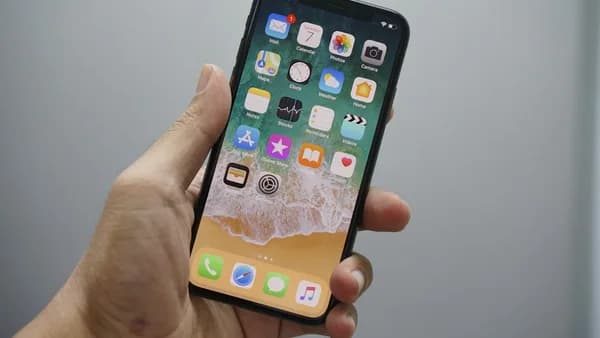
Robinhood didn’t invent commission-free trading, but it did make zero-cost trades the default expectation. That shift, combined with a slick, mobile-first interface, has turned trading into something that feels more like a video game than a brokerage account. Confetti bursts after trades, one-tap access to options, and persistent notifications all nudge users toward more frequent—often impulsive—trading.
This gamification isn’t accidental. Behavioral psychologists have long warned that instant feedback loops drive dopamine hits, triggering the same reward circuits as casino slots. For many Robinhood users, the temptation to “YOLO” into meme stocks, options contracts, or leveraged ETFs is a feature, not a bug. In June 2020, Robinhood added 3 million new accounts, and during the GameStop short squeeze in January 2021, the platform saw trading volumes spike by 129%, according to its own SEC filings. That’s not passive, long-term investing—it’s speculative fervor at scale.
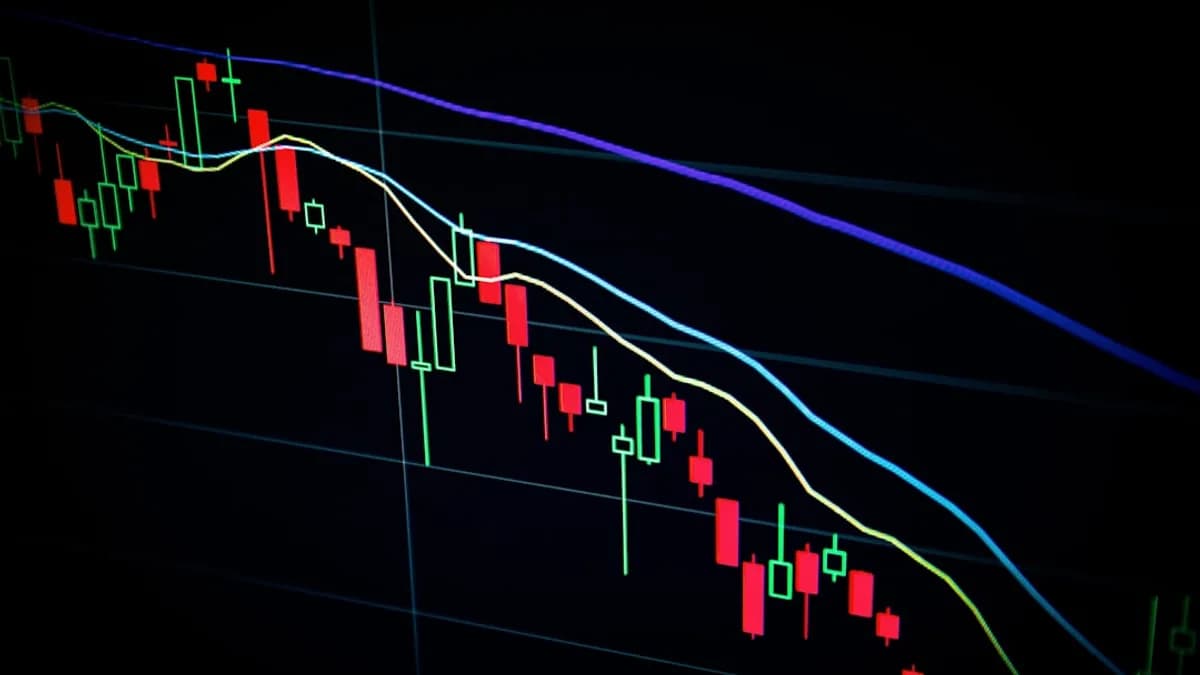
The impact is tangible. The meme stock mania, from GameStop to AMC, wasn’t just a footnote; it rattled institutional money and triggered congressional hearings. Robinhood traders, emboldened by their numbers and the platform’s frictionless experience, have repeatedly sparked flash rallies and selloffs. When millions of users can pile into (or out of) a stock with a few taps, volatility isn’t just amplified—it’s engineered.
The Double-Edged Sword: Benefits and Pitfalls of Democratizing Stock Market Access
Robinhood’s rise isn’t all bad news. For decades, retail investors faced high fees, clunky interfaces, and a sense that Wall Street was a members-only club. Robinhood smashed those barriers. Its median user age is just 31, bringing fresh blood into a market that once skewed gray-haired and risk-averse. In 2021, 22.5% of all U.S. stock market trades came from retail investors—a historic high, with Robinhood leading the charge.
But power without preparation is dangerous. The platform’s ease of access can turn financial markets into a minefield for the uninitiated. Robinhood’s average account size hovers around $4,000, yet it allows access to complex options trades that could wipe out an account in minutes. The most tragic example: in 2020, a 20-year-old Robinhood user took his own life after seeing a negative $730,000 balance following options trades—a stark reminder that democratization without education is a recipe for disaster.
Regulators have taken notice. The SEC fined Robinhood $70 million in 2021 for “misleading customers,” and Massachusetts moved to revoke its broker-dealer license, citing “gamification” tactics that encourage excessive trading. The challenge is clear: how do you open markets to all without turning them into a free-for-all? Platforms like Robinhood must rethink their duty of care, balancing access against the need to protect users from their own worst instincts.
Addressing Critics: Why Cramer’s ‘Gunslingers’ Label Oversimplifies Robinhood Traders
Cramer’s “gunslinger” label is catchy, but it risks flattening a complex reality. Robinhood’s 23 million users are not a monolith of reckless gamblers. Data from FINRA shows that many retail investors—especially those who joined during the pandemic—hold diversified portfolios and use basic dollar-cost averaging strategies. There are thousands of stories of everyday people using Robinhood to buy their first ETF, slowly build portfolios, and educate themselves on financial markets.
Some users even trade less frequently than their professional counterparts. A 2022 study by the University of California found that a significant subset of Robinhood accounts executed fewer than five trades per month—hardly the stuff of Wall Street shootouts. Dismissing all retail traders as “gunslingers” ignores the positive behavioral shift toward financial inclusion and literacy.
The reality: Robinhood is both a casino for some and a classroom for others. The platform’s risk culture gets the headlines, but its quieter majority deserves attention, too.
Empowering Retail Investors to Trade Wisely in the Era of ‘Gunslingers’
Education—real, nuanced, and accessible—should be the next frontier for platforms like Robinhood. Interactive tutorials, risk warnings tailored to user behavior, and default limits on complex trades would do more to protect users than a thousand disclaimers buried in the fine print.
Regulators need to step up as well, building transparency and accountability into the bones of modern trading apps. Mandating clearer disclosures, stress-testing gamified features, and tracking user outcomes would force platforms to prioritize user welfare over trading volume.
Robinhood’s revolution is here to stay. But if retail investors want to avoid becoming the cannon fodder of Wall Street’s next blowup, they need to trade like professionals: disciplined, informed, and never mistaking the market for a game. The age of the “gunslinger” can only end well if the cowboys learn to read the rulebook.
⚠️ Disclaimer: This article is for informational purposes only and does not constitute financial advice. Always do your own research before making investment decisions.
Impact Analysis
- Robinhood's gamified trading encourages higher risk-taking among retail investors.
- The platform's rapid growth is reshaping market dynamics and regulatory concerns.
- Traditional investing approaches are being challenged by a new generation of 'gunslinger' traders.