Introduction: How the Iran Conflict is Shaking Global Oil Markets and US Economy
Oil prices are climbing fast because the Iran war has thrown a wrench into global exports. When fighting breaks out in a country as important as Iran, the world feels it at the gas pump—and on factory floors in the United States. Oil is the lifeblood for many industries, from car makers to food processors. When it gets more expensive, just about everything else does too.
Right now, US manufacturers are stuck between higher costs and uncertain supplies. This energy shock is making inflation worse, just as the Federal Reserve was hoping for a break. At the same time, the defense sector is booming, as demand for weapons and equipment rises. This article breaks down how the Iran conflict is shaking oil exports, driving up US manufacturing costs, complicating Fed decisions, and shifting priorities for American industry. Let’s look at the numbers, the risks, and what could come next.
Disruption of Oil Exports: Causes and Immediate Effects on Global Energy Prices
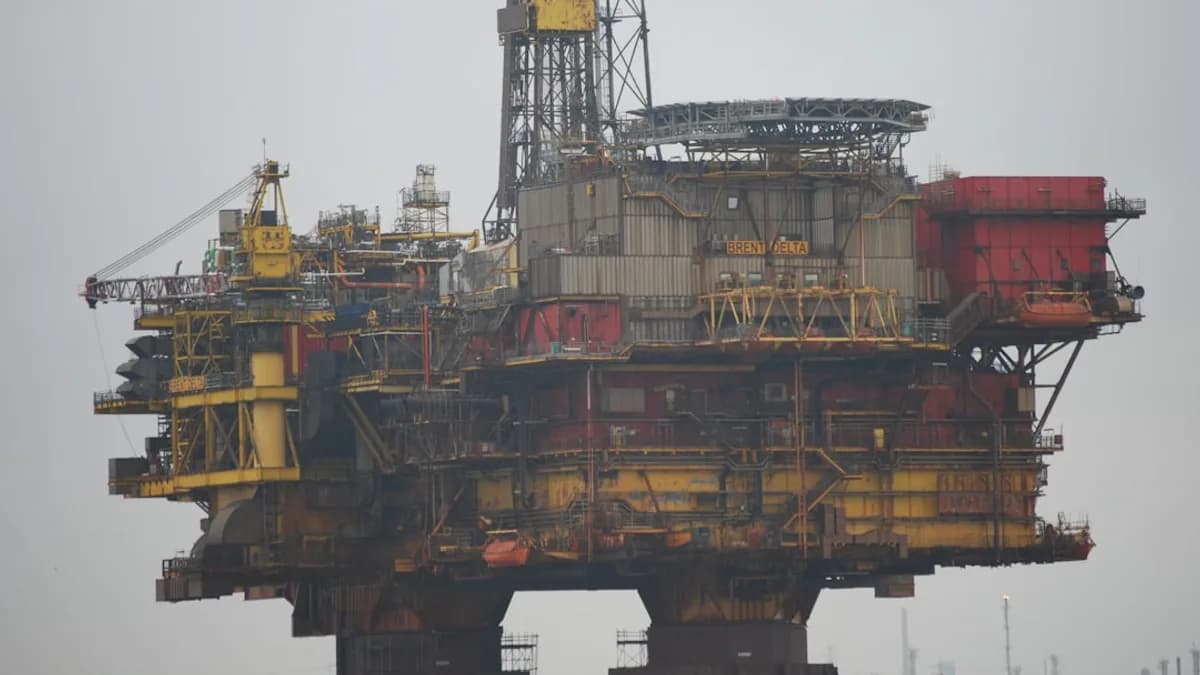
The Iran war is hitting the world’s oil supply right where it hurts. Iran sits at a key point for oil shipping, especially the Strait of Hormuz. About one-fifth of the world’s oil passes through this narrow waterway. Any trouble in Iran can quickly snarl tankers, block ports, or cause countries to hold back shipments out of fear or to drive up prices.
Since fighting began, reports show that Iran’s oil exports have dropped sharply. Shipping insurance rates have spiked, and some companies are refusing to send tankers into risky areas. Even countries that don’t buy much oil from Iran are paying more, because less oil in the market means higher prices for everyone. In the first week after the conflict escalated, oil prices jumped over 10%. Brent crude, the global benchmark, surged past $90 a barrel for the first time in months [Source: CryptoBriefing].
Higher prices for oil ripple through the economy. US factories use oil to run machines, make chemicals, and transport goods. When oil costs more, companies often face a tough choice: absorb the higher cost, or pass it on to customers. For manufacturers that run on tight margins—like car makers, airlines, and construction firms—a sudden spike in oil can quickly turn profits into losses.
The effects go beyond just the price of gas. Plastics, fertilizers, and even packaging all depend on oil. If oil keeps getting more expensive, US companies will likely raise prices, delay investments, or, in some cases, cut jobs. That’s why global oil disruptions, especially from countries as big as Iran, can hit the US economy so hard and so fast.
Rising US Manufacturing Costs: Inflationary Pressures and Supply Chain Challenges
The jump in oil prices is landing hard on US factories. When oil costs more, so does everything that depends on it—shipping, heating, making steel, plastics, or even food. Over the past few months, manufacturers have watched their energy bills climb, squeezing profits and making it harder to keep prices stable.
Recent data show US manufacturing costs have surged, with energy prices a big driver. For example, the Producer Price Index for fuels and related products rose sharply after the Iran conflict intensified [Source: CryptoBriefing]. The cost of diesel, used in trucking and rail, went up more than 15% in just a few weeks. This hurts not only big companies, but also small and medium businesses that can’t easily hedge against price swings.
Supply chains are also feeling the pinch. Many US manufacturers import parts or raw materials from overseas. When oil prices rise, shipping costs jump too. A container that cost $2,000 to ship across the ocean last year might now be double that. Factories must pay more to get the parts they need, and those costs often end up in the final price tag for US consumers.
High oil prices also make supply chains less reliable. Some suppliers may cut back on shipments, delay deliveries, or even go out of business if energy costs stay high. That means more delays, more shortages, and more headaches for US manufacturers trying to keep production lines rolling.
Inflation is already a problem in the US, with consumer prices rising well above the Federal Reserve’s target of 2%. Now, with oil and energy costs surging due to the Iran conflict, the pressure on prices could get even worse. If factories can’t find ways to cut costs or improve efficiency, Americans may see higher prices at the store for everything from cars to canned soup.
Federal Reserve Dilemma: Inflation, Rate Cuts, and the Risk of Stagflation
The Federal Reserve faces a tough choice. Its main job is to keep prices stable and help the US economy grow. But when oil prices jump because of a war, inflation can get out of control. At the same time, high costs can slow down growth, putting the Fed in a bind.
Until recently, the Fed was hoping to cut interest rates later this year to help the economy. But when energy prices rise, inflation often goes up too. The latest data show that price increases are spreading beyond just gas and groceries [Source: CryptoBriefing]. If the Fed cuts rates now, it risks making inflation worse. If it keeps rates high, it could slow down the economy and hurt jobs.
This is the classic risk of stagflation—when inflation stays high but growth slows, and unemployment rises. The US hasn’t seen a period like this since the 1970s, when oil shocks led to years of high prices and weak growth. Back then, the Fed kept interest rates high for a long time, which helped fight inflation, but also pushed the economy into a recession.
Today’s situation is not quite as bad, but the risks are real. The Iran conflict is making it harder for the Fed to predict what comes next. If oil prices stay high, factories may cut back, consumers may spend less, and job growth could slow. On the other hand, if the war eases and oil flows return to normal, inflation could come down on its own.
Fed Chair Jerome Powell and other policymakers now have to balance these risks. They must watch for signs that inflation is feeding into wages and prices across the economy. If companies keep raising prices to cover their higher costs, inflation could become “sticky”—hard to bring down even if oil prices fall later.
For now, the Fed is likely to stay cautious. It may wait to see if the Iran conflict cools off before making big moves. But if inflation keeps rising, rate cuts could be off the table for much longer than markets expect. That could mean higher borrowing costs for businesses and consumers, more volatility in the stock market, and slower economic growth.
Defense Sector Boom: Increased Demand and Economic Implications
While most industries are worrying about costs, the defense sector is seeing a surge in demand. Geopolitical tensions like the Iran war often lead governments to spend more on security—buying weapons, upgrading equipment, and boosting military readiness. US defense companies like Lockheed Martin, Raytheon, and General Dynamics have seen their order books swell as allies in Europe and the Middle East ramp up purchases.
This boom in defense spending is giving a lift to some parts of the US economy. Factories making missiles, drones, and surveillance gear are running at full speed. Orders for military vehicles, aircraft, and cybersecurity services are also rising. The US government has already announced plans to boost military aid and support for its allies in the region [Source: CryptoBriefing].
Higher defense spending can mean more jobs and profits in certain industries. But it also means money may shift away from other priorities, such as healthcare, education, or infrastructure. Over the long run, a focus on defense could change what American factories make and where investment goes.
If tensions stay high, the US may see a new wave of defense-led industrial growth—much like during past conflicts. But that path carries risks, including less money for civilian needs and a greater reliance on military exports to drive economic growth.
Conclusion: Navigating Economic Uncertainty Amid Geopolitical Turmoil
The Iran conflict is sending shockwaves through the global oil market, and the effects are hitting US manufacturers, consumers, and policymakers all at once. Oil exports are down, energy prices are up, and factories face rising costs they can’t easily escape. Inflation is getting worse, just as the Federal Reserve hoped to ease up. Meanwhile, the defense sector is booming, shifting industrial priorities and government budgets.
For business leaders and policymakers, the challenge is to adapt quickly. This could mean finding new energy suppliers, investing in efficiency, or rethinking supply chains. For the Fed, the hardest job is still ahead: fighting inflation without pushing the US into a slowdown.
Looking forward, much depends on how long the Iran conflict lasts and how global energy markets react. If peace returns, oil prices could fall and inflation might cool off. But if the turmoil drags on, high costs and economic uncertainty may stick around—and so will the tough choices for everyone, from factory owners to the Fed.
⚠️ Disclaimer: This article is for informational purposes only and does not constitute financial advice. Always do your own research before making investment decisions.