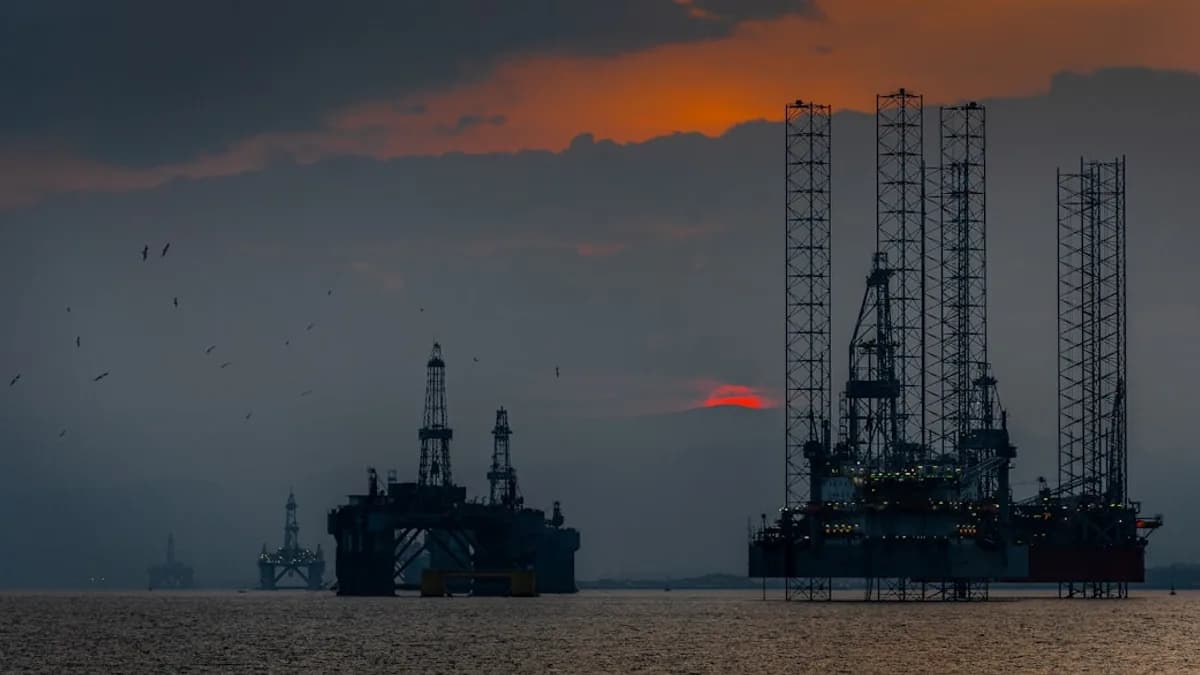
Introduction: Iran Announces Strait of Hormuz Reopening Amid Ceasefire
The Strait of Hormuz, often described as the world’s most vital oil artery, has once again taken center stage in global energy discussions following a major announcement by Iranian officials. Iran declared on Wednesday that the strait is now “completely open” to all maritime traffic during a ceasefire brokered amid escalating tensions between Israel and Lebanon. This move, intended to ease concerns over regional conflict disrupting oil flows, triggered an immediate plunge in global oil prices, underscoring the strait’s critical role in market stability [Source: Source].
The announcement comes at a pivotal moment as diplomatic efforts intensify to prevent further escalation in the region. While the ceasefire between Israel and Lebanon offers a respite from hostilities, Iran’s decision to reopen the Strait of Hormuz is being closely watched by governments, energy companies, and investors worldwide. The market’s swift reaction reflects the delicate balance of geopolitics and economic interests intertwined with this strategic waterway.
Background: The Strait of Hormuz and Its Role in Global Energy Security
Located between the Persian Gulf and the Gulf of Oman, the Strait of Hormuz is a narrow passage through which nearly one-fifth of the world’s oil supply is transported. Its significance is hard to overstate: the strait connects key producers like Saudi Arabia, Iraq, and the United Arab Emirates to international markets, making it a linchpin of global energy security.
Historically, the Strait of Hormuz has been a flashpoint for geopolitical tensions. Past threats and closures—whether from Iranian military maneuvers, regional conflicts, or international sanctions—have sent shockwaves through oil markets. Even the mere possibility of disruption can drive up prices, as traders anticipate supply shortages and increased shipping risks. In 2019, for example, a series of tanker attacks and drone strikes heightened anxiety, contributing to price spikes and insurance premiums for vessels transiting the strait [Source: Source].
Iran has frequently leveraged the strait’s strategic importance in its regional power struggles. During previous conflicts and periods of heightened sanctions, Iranian officials threatened to block or restrict passage, arguing that such measures were legitimate responses to economic pressure from the West. These threats have often coincided with military exercises and increased naval activity, further raising the risk profile for oil shipments. The strait’s vulnerability has prompted calls for alternative routes and emergency reserves among major oil-consuming nations.
Given its outsized influence on oil prices and energy security, any development related to the Strait of Hormuz—whether closure, reopening, or increased security—draws intense scrutiny from the international community.
Details of Iran's Announcement and Ceasefire Context
Iran’s latest announcement that the Strait of Hormuz is “completely open” was delivered by senior officials amid renewed diplomatic efforts to stabilize the region following a ceasefire between Israel and Lebanon. The Iranian government emphasized its commitment to ensuring the free flow of oil and commercial shipping during this period, portraying the move as a gesture of goodwill and support for regional peace [Source: Source].
The ceasefire, brokered through sustained negotiations involving international mediators, has temporarily halted hostilities that threatened to spill over into neighboring countries. Iranian authorities have linked their decision to reopen the strait directly to this ceasefire, describing it as a “window of opportunity” to ease tensions and restore confidence in global energy markets. “We are committed to upholding the principles of free navigation for all vessels during this period of peace,” a spokesperson for Iran’s foreign ministry stated.
Regional stakeholders—including Saudi Arabia, the United Arab Emirates, and Iraq—have welcomed the reopening, seeing it as a positive step towards maintaining stability in oil supply chains. International observers, however, remain cautious. Shipowners and oil traders have expressed lingering concerns about the risks of renewed conflict or sudden policy reversals, given the region’s history of volatility [Source: Source].
The legal and operational status of the Strait is further complicated by ongoing sanctions and blockades. While Iran has declared the waterway open, U.S. authorities—including President Trump—have asserted that American-imposed blockades on Iranian ships and ports will remain in force. This means Iranian vessels may still face restrictions, even as other international shipping is permitted to transit freely. Analysts note that the situation remains fluid, with diplomatic negotiations and security arrangements continuing behind the scenes [Source: Source].
Market and Industry Reactions to the Strait's Reopening
The announcement of the Strait’s reopening triggered an immediate and sharp decline in global oil prices. Benchmark crude futures fell by several percentage points as traders reacted to the prospect of restored supply and reduced geopolitical risk. The price drop reflects both the physical reopening of the waterway and a broader sense of relief in the market, which had been bracing for further disruptions [Source: Source].
Market volatility remains high, however. Shipowners and oil traders are monitoring the situation closely, wary of the possibility that tensions could reignite or that new restrictions could be imposed. Some major shipping companies have indicated that they will resume normal operations, but others are maintaining heightened security protocols and contingency plans. “We’re cautiously optimistic, but we’re not letting our guard down,” remarked a senior executive at one international tanker operator.
Oil-producing countries, particularly those in the Gulf region, have issued statements supporting the reopening and emphasizing their commitment to stable supply. Consuming nations—including China, India, and European states—have welcomed the move, noting its potential to ease energy costs and bolster economic recovery. Industry analysts predict that, in the short term, the reopening will help stabilize supply chains and reduce price volatility. However, they caution that lingering political and security risks could lead to renewed disruptions if the ceasefire falters or diplomatic progress stalls.
Long-term impacts on oil pricing and supply chains will depend on the durability of the ceasefire and the effectiveness of ongoing diplomatic efforts. Should tensions flare up again, the Strait of Hormuz could quickly revert to a flashpoint, raising insurance costs, rerouting shipments, and triggering further price swings. For now, the market is absorbing the news with cautious optimism, but no one is ruling out future instability [Source: Source].
U.S. Position and Ongoing Sanctions Despite the Reopening
Despite Iran’s declaration that the Strait of Hormuz is open, U.S. authorities have reiterated their commitment to maintaining sanctions and blockades on Iranian shipping and ports. President Trump confirmed that these restrictions will remain in force, irrespective of the ceasefire or regional diplomatic developments [Source: Source]. This stance underscores the broader U.S. policy of exerting economic pressure on Iran in response to its nuclear ambitions and regional interventions.
The continued sanctions mean that Iranian vessels may face significant obstacles in accessing international markets, even as other countries resume normal shipping operations through the strait. This dynamic complicates Iran’s efforts to leverage its energy exports for economic recovery and regional influence. Analysts suggest that the U.S. position could dampen the positive effects of the strait’s reopening, limiting the volume of Iranian oil reaching global buyers and prolonging uncertainty in the market.
Diplomatic consequences are also likely. Iran has criticized the U.S. approach as undermining regional stability and fair access to international trade routes. Other stakeholders, including European allies, have called for greater flexibility and engagement to avoid exacerbating tensions. The persistence of U.S. sanctions introduces a layer of complexity that could hinder broader peace efforts and prolong volatility in energy markets.
Ultimately, the U.S. stance is a reminder that the reopening of the Strait of Hormuz is not a panacea for the region’s challenges. While it alleviates immediate supply concerns, deeper issues of conflict, sanctions, and geopolitical rivalry remain unresolved [Source: Source].
Conclusion: Outlook for the Strait of Hormuz and Global Oil Markets
The reopening of the Strait of Hormuz amid a fragile ceasefire represents a significant development in the ongoing saga of Middle Eastern geopolitics and global energy security. For now, the move has injected a sense of relief into oil markets and raised hopes for greater stability in the region [Source: Source]. However, the persistence of U.S. sanctions and underlying tensions means the situation remains precarious.
Looking ahead, market confidence will depend on the durability of the ceasefire, the effectiveness of diplomatic efforts, and the ability of regional powers to manage conflict risks. Oil prices may stabilize in the short term, but traders and industry leaders are keeping a close eye on future developments. The Strait of Hormuz will continue to be a bellwether for global energy supply and a focal point for geopolitical maneuvering. As the world watches, the importance of vigilance and adaptability in navigating these uncertain waters cannot be overstated.
⚠️ Disclaimer: This article is for informational purposes only and does not constitute financial advice. Always do your own research before making investment decisions.