Iran’s Escalation: Why Oil Transit Risks Are Now Front and Center
A single missile strike near the Strait of Hormuz could wipe out 20% of global oil transit overnight. That’s not a hypothetical: tensions between Iran and its regional rivals have reached levels not seen since the peak of the 2019 tanker attacks. Tehran’s latest military posturing, drone deployments, and rhetoric against Israel and the U.S. have pushed oil markets to price in the risk of a supply shock. The region’s powder keg status isn’t new, but the current alignment—U.S. withdrawal from regional commitments, Israel’s escalation, and Iran’s moves to expand its proxy network—has investors betting on volatility.
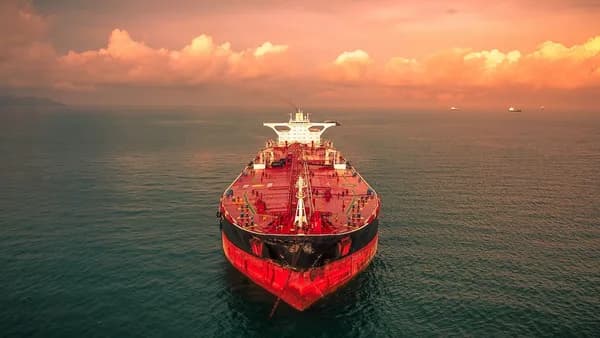
The Strait of Hormuz is the world’s most critical oil chokepoint. About 21 million barrels per day pass through its narrow waters, representing roughly a fifth of total global consumption. Iran’s navy, drones, and anti-ship missiles give it a credible threat to disrupt this flow, either through direct action or by stoking uncertainty that slows shipping. Disruptions don’t require a full blockade: even credible threats or isolated incidents can force insurers to hike premiums, slow tanker traffic, and spike prices. With global inventories at multi-year lows and OPEC+ maintaining tight supply discipline, the margin for error is razor-thin. CryptoBriefing calls out the immediate risk: if Iranian sabre-rattling translates into kinetic action, oil supply chains could fracture fast.
Oil Price Projections: Volatility Surges as WTI Eyes $150
WTI crude has already jumped from $70 in January to $85 in April, fueled by escalating threats and speculative buying. Market consensus is shifting: Goldman Sachs, JPMorgan, and Citi have all revised their risk cases upward, warning that a significant disruption could push WTI to $150 per barrel. That’s a level not seen since the 2008 financial crisis, when a combination of demand growth and supply fears drove prices to $147.
The precedent is clear. In 1979, the Iranian revolution coupled with the Iran-Iraq war halved the country’s oil exports, sending global prices up 90% within months. In June 2019, after two oil tankers were attacked near the Hormuz, Brent crude spiked 4% in one day, and insurance costs for vessels tripled overnight. Today’s market is even more sensitive: volatility indices like the OVX have jumped from 30 to 44 in the past month, and options trading on crude futures have seen volumes surge 60%. The scale of speculative activity suggests traders aren’t just hedging—they’re betting on chaos.
Inflation is the next domino. Every $10 rise in crude adds roughly 0.3% to headline global inflation, according to IMF models. If WTI hits $150, inflation could surge 1.5% above current projections in the U.S., Europe, and Asia. For economies still digesting post-pandemic price pressures, this shock could force central banks to tighten faster than planned, risking recession or stagflation.
Stakeholder Responses: Oil Exporters, Importers, and Corporates Brace for Impact
Oil exporters like Saudi Arabia and the UAE are walking a tightrope. On one hand, supply threats mean windfall profits—Saudi Aramco’s Q1 net income jumped 18% after the last major price spike. But the risk of regional escalation threatens their infrastructure, deters investment, and could prompt Western sanctions or price caps. Russia, already under sanction, stands to gain from higher prices but risks being further sidelined in global markets.
Import-dependent nations—Japan, South Korea, India—face serious headaches. India imports over 80% of its oil, and a $150 barrel would slam its current account, drive up subsidies, and fuel domestic inflation. China, the world’s largest importer, has ramped up strategic reserves and signed long-term contracts with Russia and Iran, but remains exposed to spot-market volatility.
Multinational corporations are hedging in two directions: energy giants like Shell and BP are increasing their physical storage and diversifying supply, while airlines and manufacturers are ramping up hedges and surcharges. Financial institutions are repositioning portfolios, with BlackRock and Vanguard reporting increased holdings in energy sector ETFs and commodity funds. Energy traders—Trafigura, Vitol—are hoarding physical inventories, betting on short-term spikes, and preparing for logistical rerouting.
Global policymakers and central banks are scrambling for contingency plans. The Fed, ECB, and Bank of Japan have all signaled readiness to intervene in currency and bond markets if oil shocks hit. International organizations like the IEA are prepping emergency release strategies, but the scale of potential disruption dwarfs their available reserves.
Historical Parallels: Iran-Driven Oil Crises and Their Aftermath
History is littered with Iran-related oil shocks. The 1979 revolution cut Iranian exports from 6 million barrels per day to less than 1.5 million, sparking the second oil crisis and sending U.S. inflation to 13.5%. The Iran-Iraq war in the 1980s slashed regional output and triggered a decade of volatility, with oil prices oscillating between $30 and $80.
More recently, the 2019 tanker attacks near the Strait of Hormuz rattled markets but failed to sustain a price surge, thanks to U.S. shale production and coordinated releases from strategic reserves. The difference now: U.S. shale output has plateaued, OPEC+ is less flexible, and global inventories are depleted after years of drawdowns.
Each crisis brought rapid inflation, central bank tightening, and political fallout: the 1979 shock helped usher in Reagan-era monetary policy, while the 2019 episode prompted new security initiatives and insurance protocols for shipping. The pattern is clear—markets overreact, policymakers scramble, and real economic pain follows if disruptions persist beyond a few weeks.
Oil Prices and Monetary Policy: Inflation Risks Multiply
An oil shock isn’t just a headline—it’s a chain reaction. Energy costs filter through to transportation, manufacturing, and consumer goods. The U.S. CPI’s energy component accounts for nearly 7% of the index, but indirect effects multiply as higher transport costs feed into food and retail prices. Europe and Japan, with weaker currencies and less domestic energy, are even more exposed.
Central banks face a brutal trade-off. If they hike rates to contain inflation, they risk choking off growth and triggering layoffs. If they hold rates steady, inflation expectations can spiral, undermining credibility. The Fed’s last major oil-induced rate hike was in 2008, when it raised rates despite recession risks. ECB and BOJ are even more constrained: their economies are less resilient to energy shocks and political pressure to protect jobs is fierce.
Emerging markets are most vulnerable. Countries like Turkey, Brazil, and Indonesia have limited monetary firepower and face surging import bills. Currency depreciation accelerates inflation, forcing desperate measures—capital controls, emergency subsidies, price freezes. Past crises show these moves rarely work for long.
For consumers and businesses, the impact is direct. Gasoline, heating, and electricity bills jump. Airlines hike fares, truckers pass on costs, retailers raise prices. Wage demands follow, stoking further inflation. If oil stays above $120 for more than two months, expect a wave of strikes, protests, and political backlash across continents.
What’s Next: Scenarios for Oil, Energy Security, and Global Markets
Best case, Iran’s threats remain rhetorical. Oil prices spike briefly, then retreat as diplomatic talks or naval patrols stabilize transit. WTI stays below $100, inflation bumps but central banks hold course. Energy traders profit, but global economies avoid recession.
Worst case: Iran attacks shipping, or regional conflict spills over. The Strait of Hormuz closes for days or weeks. WTI races past $150, coordinated reserve releases fail to stem the tide, and inflation forces emergency rate hikes. Global growth stalls; supply chains break; emerging markets face currency crises.
Probability favors something in between. Regional actors—Saudi Arabia, UAE—have incentives to de-escalate, while U.S. and EU pressure Iran diplomatically. But the risk profile is shifting: insurers and shippers are already rerouting, and energy security is now a boardroom and cabinet-level priority. Expect new investments in strategic reserves, diversification of supply (including more U.S. and Latin American crude), and acceleration of renewables as governments and corporates scramble for alternatives.
The market’s verdict: volatility is here to stay. The next six weeks are critical. If tensions escalate or even simmer near the Strait of Hormuz, $150 oil isn’t just possible—it’s likely. Inflation will surge, central banks will scramble, and the global economy will be forced to adapt faster than anyone planned.
⚠️ Disclaimer: This article is for informational purposes only and does not constitute financial advice. Always do your own research before making investment decisions.
The Bottom Line
- Escalating Iran tensions threaten a fifth of global oil transit, risking severe supply disruptions.
- WTI crude prices could spike to $150 per barrel, impacting energy costs worldwide.
- Market volatility and low oil inventories make any disruption far more damaging for consumers and businesses.