Iran Conflict Escalation Raises Inflation Concerns Impacting Fed Rate Cut Prospects
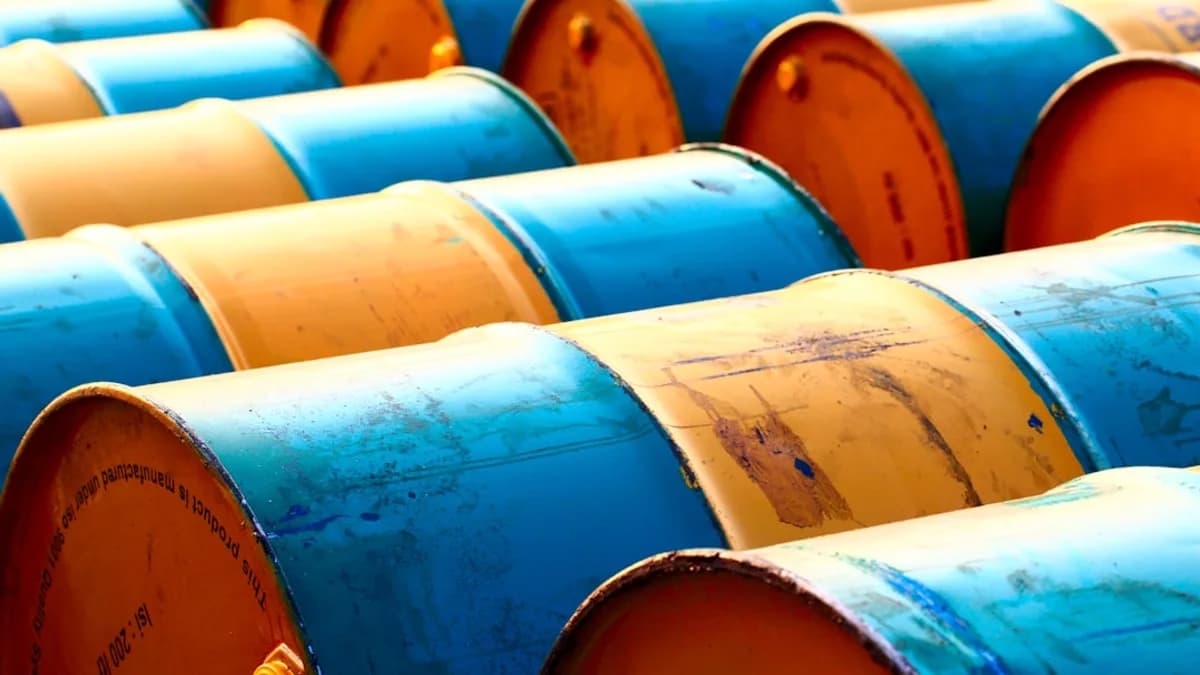
Oil prices spiked more than 4% in a single session after Iran’s clash with Israel intensified fears of a broader war in the Middle East. That jump—pushing Brent crude above $90 per barrel—underscores how quickly geopolitical shocks can reignite inflation, just as the Federal Reserve was poised to loosen monetary policy. Fed officials now face a tougher calculus: rate cuts expected for later this year suddenly look riskier, as imported inflation could turn up the heat on already stubborn price pressures, according to CryptoBriefing.
The timeline is stark. Iran’s direct missile and drone attack on Israel sent energy and commodity futures surging overnight, with gold notching new highs above $2,400 an ounce and wheat climbing nearly 2%. The conflict’s potential to disrupt oil flows through the Strait of Hormuz—a chokepoint for one-fifth of global supply—has traders bracing for further volatility.
Fed policymakers moved quickly to signal vigilance. Chicago Fed President Austan Goolsbee and Governor Christopher Waller both stressed the central bank would not “declare victory” on inflation, warning that external shocks could override domestic progress. Investors who once bet on at least three rate cuts in 2024 are now scrambling to reassess, with futures markets pricing in just one or two, if any.
Rising Inflation Pressures Could Force Federal Reserve to Delay or Reverse Rate Cuts
Energy-driven inflation has a long—and ugly—track record of derailing the Fed’s plans. The 1970s oil shocks forced rate hikes that triggered back-to-back recessions. Now, with US headline CPI already running at 3.5% in March (well above the Fed’s 2% target), any further oil surge threatens to feed directly into consumer prices, transportation, and production costs.
The Fed’s original roadmap called for gradual easing as inflation cooled, but the Iran conflict scrambles that script. If oil stays elevated or climbs higher, shelter and food prices could follow. Wage growth, already outpacing productivity, risks creating a wage-price spiral if companies pass on higher costs. The result: the Fed may not just delay cuts—it could be forced to raise rates, even as growth slows.
This uncertainty is already rattling markets. The S&P 500 dropped over 2% in the days following Iran’s escalation, while Treasury yields jumped, reflecting a flight to safety and diminished confidence in a soft landing. High-yield credit spreads widened, a signal that investors see elevated risk of corporate defaults if rates stay higher for longer.
Borrowing costs for everything from mortgages to small business loans are now in play. If the Fed holds rates steady—or hikes—debt service burdens increase. That could depress consumer spending and capital investment, dragging on GDP. Meanwhile, sectors highly sensitive to rates, such as real estate and tech, could see valuations compressed further, echoing the 2022 selloff.
The current mood is whiplash: six months ago, markets priced in aggressive easing. Now, traders are hedging for stagflation—a toxic mix of slow growth and sticky prices. The Iran conflict didn’t spark this inflation, but it’s gasoline on a fire the Fed hasn’t yet contained.
What to Watch Next: Fed Policy Decisions Amid Ongoing Iran Conflict and Inflation Volatility
Eyes are now on the next FOMC meetings—May 1st and June 12th—where any change in tone or guidance will be parsed for clues. Key inflation reports, especially the April and May CPI releases, will take on outsized importance. If headline inflation remains above 3% and core prices fail to cool, the Fed’s hands may be tied, regardless of labor market softness.
Several scenarios are on the table. A rapid de-escalation in the Middle East could let oil prices retreat, giving the Fed cover to cut rates late in the year. But if the conflict spreads or supply disruptions persist, a rate hike is back in play—a possibility not seen since July 2023. Markets will punish ambiguity; a hawkish Fed risks recession, but a dovish stance could let inflation expectations become unanchored.
Rate-sensitive sectors—housing, autos, and high-growth equities—are particularly vulnerable. Banks could see credit quality erode if borrowers struggle with higher-for-longer rates. The dollar’s path is also in question: a hawkish Fed could lift the greenback, tightening global financial conditions and pressuring emerging markets.
This is a test of the Fed’s inflation-fighting credibility. Investors should prepare for volatility, re-examine risk exposure to commodities and rates, and watch not just the data, but the Fed’s every word. The central bank’s next moves will ripple far beyond the trading floor—shaping the outlook for US growth, global capital flows, and the inflation fight that still isn’t won.
⚠️ Disclaimer: This article is for informational purposes only and does not constitute financial advice. Always do your own research before making investment decisions.
Impact Analysis
- Geopolitical conflict in Iran and Israel has caused a spike in oil and commodity prices, increasing inflation risks.
- Higher inflation may force the Federal Reserve to delay or reduce planned interest rate cuts, impacting borrowing costs.
- Market expectations for monetary policy have shifted rapidly, affecting investments, consumer prices, and economic growth forecasts.