Iran Conflict Drives Europe’s Energy Costs Up by €500 Million Each Day
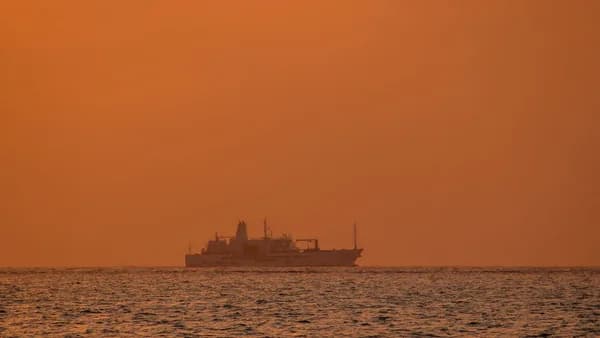
Europe is bleeding €500 million daily on energy alone as the Iran conflict ignites fresh volatility across global oil and gas markets. Attacks on energy infrastructure and threats to Persian Gulf shipping lanes since late April have jolted oil futures above $90 a barrel and sent Dutch TTF gas prices up 18% in just two weeks, according to CryptoBriefing.
The shock couldn’t come at a worse moment for the continent. Europe’s pivot away from Russian pipeline gas after 2022 left the region heavily reliant on LNG from the Middle East, with over 30% of its imports now sourced from Qatar and other Gulf states. Any supply disruption—or even the threat—forces utilities and traders to scramble for spot cargoes, pushing up prices in a market already running thin.
Brent crude’s surge has a direct knock-on for power generation and transport costs. Several European refiners, including Germany’s Uniper and Italy’s Eni, have already warned of higher input costs and squeezed margins if the crisis drags on. For gas, the vulnerability is even starker: storage levels remain healthy for now, but traders are already pricing in a risk premium ahead of next winter. The €500 million daily hit reflects not just spot prices, but also longer-term contracts being renegotiated at higher rates.
Rising Energy Prices Expose Europe’s Economic Vulnerability Amid Geopolitical Risks
Every euro spent on pricier energy means less for households and businesses, and the impact is already registering. Industrial production in sectors like steel, chemicals, and fertilizers—where energy can account for up to 40% of total costs—faces renewed margin pressure. BASF and ArcelorMittal have both signaled potential output cuts if energy prices remain elevated into Q3.
Consumers aren’t escaping the squeeze either. Utility bills in France and the Netherlands have risen as much as 10% month-on-month since the start of May, with retailers warning of higher prices ahead for everything from food to manufactured goods. The inflation pulse, which the ECB hoped was ebbing, now threatens to accelerate again.
The crisis underscores Europe’s persistent reliance on imported hydrocarbons from politically fraught regions. Even after doubling down on renewables and U.S. LNG, the continent remains exposed: last year, the EU imported 57% of its energy, with oil and gas accounting for roughly two-thirds. The memory of 2022’s energy shock—when gas prices briefly topped €300 per MWh—still haunts policymakers. This latest spike is a stark reminder that Europe’s energy transition remains a work in progress, not a shield.
ECB Considers Interest Rate Cuts as Energy Crisis Threatens Economic Stability
The European Central Bank is now caught between its inflation-fighting mandate and a potential growth slowdown. With core inflation still hovering near 2.7%—just above target—ECB officials had signaled a tilt toward rate cuts as early as June. Now, the energy-driven price surge forces a recalibration.
Monetary policymakers are watching three data points: wholesale energy prices, wage growth, and business investment sentiment. If energy costs keep feeding into headline inflation, a June rate cut becomes politically thorny—but ignoring the risk of recession is just as dangerous. Market swaps currently price a 65% probability of a 25-basis-point cut by July, but that could flip quickly if energy markets stay volatile or industrial output falls further.
Investors are already repositioning. The euro touched a seven-week low against the dollar last Friday, while European equity indices lagged U.S. peers by over 2% on the week. Sovereign bond spreads are widening, especially in Italy and Spain, as traders brace for divergent fiscal and monetary responses across the eurozone.
All eyes now turn to the ECB’s next policy meeting and forward guidance. If energy prices stabilize, a cautious rate cut could boost sentiment and cap recession risks. But if the Iran conflict escalates—or if supply disruptions materialize—expect the ECB to pivot to crisis mode, with emergency liquidity measures and a slower path to easing. For now, the only certainty is that Europe’s energy bill—and the economic risks tied to it—aren’t shrinking anytime soon.
⚠️ Disclaimer: This article is for informational purposes only and does not constitute financial advice. Always do your own research before making investment decisions.
The Bottom Line
- Surging energy costs strain European households and industries, reducing disposable income and production margins.
- Europe's reliance on Middle Eastern LNG makes it highly vulnerable to geopolitical disruptions like the Iran conflict.
- Rising prices complicate ECB policy decisions, potentially affecting rate cuts and overall economic stability.