Greg Abel's $234 Million Purchase Boosts Berkshire Hathaway's Stake in Top Buffett Stock
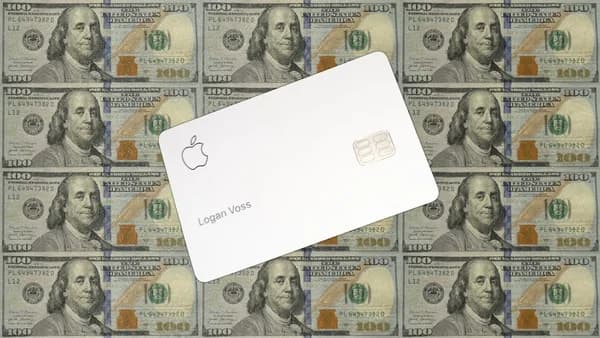
Greg Abel just poured $234 million into Berkshire Hathaway’s largest equity holding, lifting the conglomerate’s investment in Apple to $78 billion since 2016. The move, disclosed this week, puts Abel—the heir apparent to Warren Buffett—squarely behind the company’s single biggest bet, underscoring Apple’s central role in Berkshire’s portfolio according to Yahoo Finance.
Berkshire's Apple stake began as a $1 billion position eight years ago, snowballing into a holding that has, at times, topped 900 million shares. Apple now accounts for roughly 46% of Berkshire’s $354 billion equity portfolio. Abel’s buy is the latest in a string of bold moves: Berkshire boosted its Apple stake even as the tech giant’s stock seesawed, marking a $20 billion addition in the past 12 months alone.
Buffett has repeatedly called Apple “the best business I know in the world,” and Abel’s purchase signals no intention to scale back. The timing is notable—Abel, who oversees Berkshire’s non-insurance operations, is widely expected to take the reins after Buffett. His personal alignment with Apple solidifies continuity at the top and suggests Berkshire’s loyalty to its largest holding isn’t wavering.
How Berkshire Hathaway's $78 Billion Investment Reflects Confidence in Market Leader
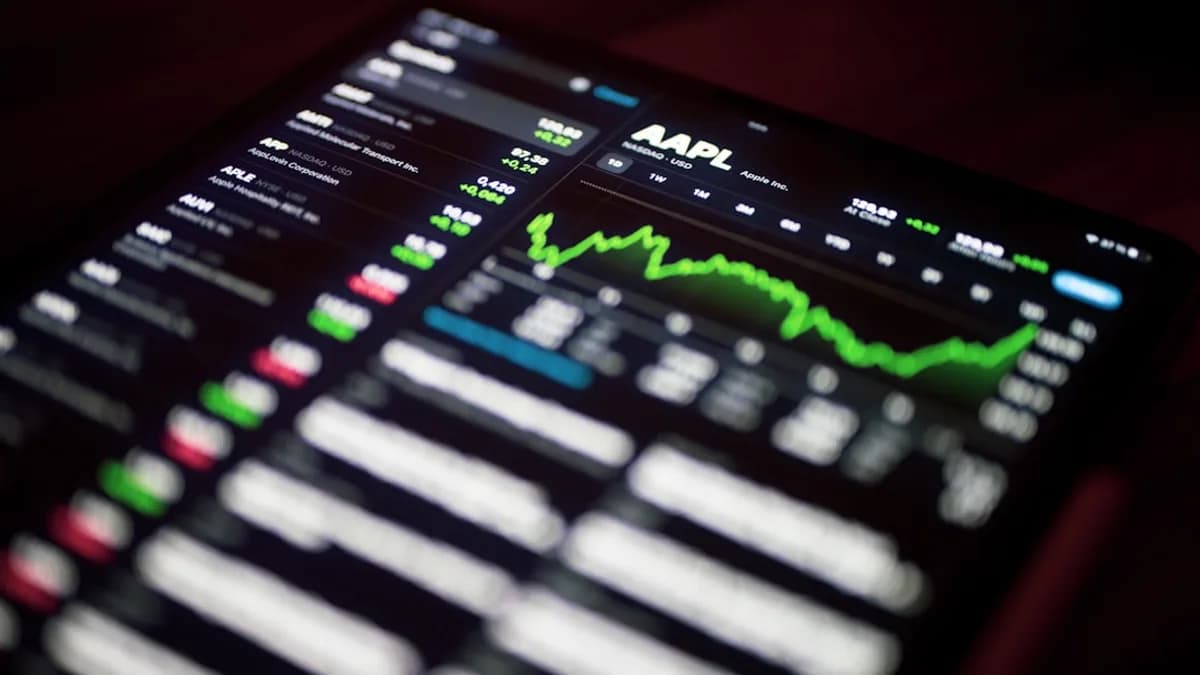
Berkshire’s commitment to Apple is a market-moving signal. Few institutional investors have concentrated such a massive share of their portfolio in a single company. When Berkshire first bought Apple, the stock traded near $24 (split-adjusted); it now hovers around $190, having delivered a five-year total return exceeding 300%. That return dwarfs the S&P 500’s 85% rise over the same period.
For context, Berkshire trimmed its other tech bets—dumping stakes in IBM, Oracle, and most recently, Taiwan Semiconductor—while doubling down on Apple. The rationale goes beyond iPhone sales. Apple’s relentless buybacks, which retired over $110 billion in shares in the last two years, have amplified Berkshire’s ownership stake without any new outlay. That financial engineering, paired with Apple’s fortress balance sheet, gives Buffett and Abel both growth and downside protection.
Berkshire’s Apple position has become a bellwether for value investors trying to decode Buffett’s playbook. Some critics argue the allocation is risky: Apple’s fortunes are still tethered to hardware cycles and regulatory scrutiny, especially in China. But Berkshire’s management sees Apple as less a tech stock and more a consumer staple—sticky brand loyalty, global pricing power, and a cash machine that rivals any in the S&P.
Investors watching Berkshire’s moves know the company isn't blindly chasing momentum. Berkshire famously sat out the dot-com bubble, then missed early gains in Google and Amazon. Its Apple play is different: it’s a conviction bet, not a FOMO trade, and Abel’s $234 million buy reinforces that confidence. The market reads this as a dual endorsement—of Apple’s resilience and of Berkshire’s willingness to concentrate exposure when conviction is high.
What Greg Abel's Buying Signals for Berkshire Hathaway's Future Investment Strategy
Abel’s purchase isn’t just about Apple. It’s a statement of strategic intent as Berkshire Hathaway transitions to a new era of leadership. Abel, known for his operational rigor and focus on long-term cash generation, is likely to favor franchise businesses with durable advantages—just as Buffett has for decades.
Expect Berkshire to stick to its knitting: large, high-moat companies with steady cash flows and shareholder-friendly capital allocation. The Apple playbook—finding dominant firms with the ability to buy back shares aggressively—may guide Berkshire’s next targets. Financials, consumer brands, and select industrials could see new capital, while capital-light tech bets will likely remain rare exceptions.
Abel’s personal investment in Apple aligns his incentives with shareholders and sends a message to the market: succession at Berkshire won’t trigger a sudden shift to riskier, trend-chasing strategies. Instead, look for incremental moves—either adding to legacy positions or opportunistically scooping up proven winners during market pullbacks.
For investors, the takeaway is clear. Berkshire is doubling down on conviction, not chasing the hottest sectors. Abel’s Apple buy hints that the conglomerate’s next big moves will be slow, methodical, and focused on compounding value—just as Buffett would have it. Watch Berkshire’s 13F filings and cash deployment in the next cycle: the company still sits on over $150 billion in dry powder, and Abel has just signaled he’s ready to deploy it where he sees the next Apple.
⚠️ Disclaimer: This article is for informational purposes only and does not constitute financial advice. Always do your own research before making investment decisions.
The Bottom Line
- Berkshire Hathaway's concentrated investment in Apple signals strong conviction in the tech giant's future.
- Greg Abel's personal $234M purchase reinforces leadership continuity and confidence in Apple as Buffett's successor.
- Apple's outperformance over the S&P 500 highlights Berkshire's strategy of betting heavily on market leaders.