Gold Prices Drop Sharply as 30-Year Treasury Yield Climbs to 5.1%
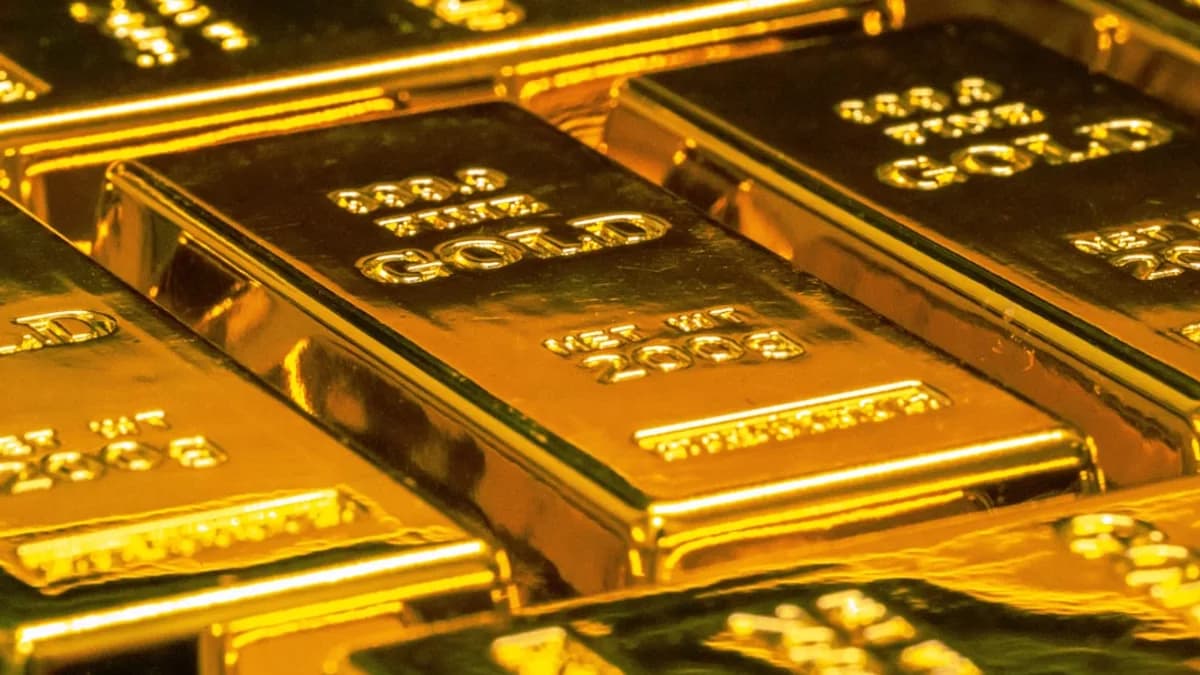
Gold tumbled over 2% in a single session as the U.S. 30-year Treasury yield surged to 5.1%—its highest mark since 2007. The metal fell to $2,305 per ounce by midday Wednesday, erasing nearly $50 in a matter of hours, while the long bond’s yield leapt 12 basis points in the same stretch, according to Yahoo Finance.
The selloff hit miners hard. Newmont and Barrick Gold both shed more than 3%, mirroring the slide in bullion. ETF flows turned negative, with the SPDR Gold Shares (GLD) posting its largest single-day outflow since March.
Investors dumped gold as traders recalibrated expectations for U.S. interest rates. The spike in the 30-year yield signaled fresh unease that the Fed may keep rates elevated longer, punishing assets that don’t pay income and rewarding holders of U.S. debt. The timing was no accident—these moves landed just as new commentary from Fed officials stoked fears about stubborn inflation.
Rising Interest Rates Pressure Safe-Haven Assets and Market Sentiment
When yields rocket higher, gold’s appeal fades fast. With the 10- and 30-year Treasury yields both at multi-year highs, investors see better risk-free returns in bonds, leaving non-yielding gold in the dust. The math is simple: as the opportunity cost of holding gold rises, sellers step in.
The impact is rippling out. The S&P 500 slipped 1.1% on the day, and real estate stocks fell even harder. Mortgage rates, now above 7% for a conventional 30-year loan, threaten to choke off housing activity. Credit spreads have widened, signaling rising stress in corporate debt.
Markets are recalibrating in real time, spooked by the Fed’s latest hawkish tilt. Recent comments from central bank officials—like Fed Governor Christopher Waller’s warning that “inflation is still too high for comfort”—have reset expectations. The odds of a rate cut before September have dropped to just 35%, down from 70% a month ago, according to CME FedWatch data.
Behind the scenes, sticky wage growth and a stubbornly hot services sector are keeping inflation above the Fed’s 2% target. The latest CPI print showed services inflation at 5.3% year-over-year, reinforcing the view that the Fed’s job isn’t done. This narrative is punishing gold and other rate-sensitive assets, just as it did in late 2022 when yields last spiked and gold briefly dipped below $1,700.
What Investors Should Watch Next Amid Volatile Rates and Gold Prices
The next inflection point arrives with the June FOMC meeting, where the Fed will update its dot plot and economic projections. Any sign of patience—or stubbornness—could jolt rates and gold yet again. Before then, core PCE data and the May jobs report will offer clues on inflation’s trajectory.
If yields keep climbing, gold could easily test $2,200 in the coming weeks. But a surprise cooldown in CPI—or a dovish pivot—could spark a sharp rebound. For now, options markets are pricing in elevated volatility, with one-month gold implied volatility spiking to 16%, its highest since the March banking turmoil.
Investors hunting for shelter should watch real rates, not just nominal yields. As long as inflation expectations stay anchored while yields rise, gold remains under pressure. But if recession fears flare or inflation expectations jump, gold could catch a bid. Tactically, some are rotating into short-duration bonds or TIPS as a hedge, while others are using gold options to bet on a reversal.
Bottom line: The path for gold and rates is data-dependent and headline-driven. Stay alert to Fed guidance, inflation surprises, and the growing disconnect between Wall Street’s rate cut hopes and the Fed’s higher-for-longer stance. In this environment, complacency is a luxury few can afford.
⚠️ Disclaimer: This article is for informational purposes only and does not constitute financial advice. Always do your own research before making investment decisions.
The Bottom Line
- Surging Treasury yields are making gold less attractive as a safe haven asset.
- Higher rates could increase borrowing costs and impact real estate and equity markets.
- Fed policy uncertainty is driving rapid shifts in investor sentiment and asset prices.