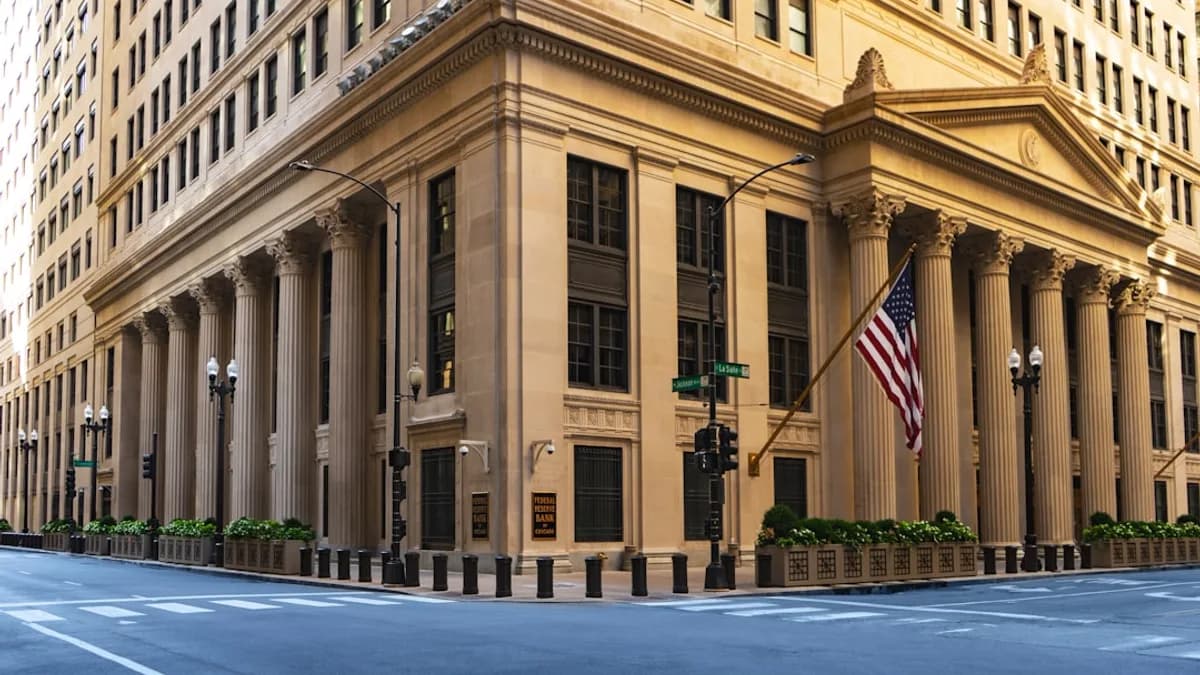
Introduction to the Fed’s Current Monetary Policy and Inflation Concerns
The Federal Reserve just kept its key interest rate steady. This decision did not surprise many experts, but it matters for everyone. The Fed is worried about inflation staying high, which means prices for everyday goods are not dropping as fast as people want. At the same time, there are new risks abroad. Fed Chair Jerome Powell warned that trouble in the Middle East could shake up the global economy [Source: CryptoBriefing].
Why should this matter to you? Because when the Fed holds rates steady, it sends a signal. The message: the economy is still on shaky ground. The Fed wants to fight inflation, but it also doesn't want to make borrowing money too hard. If you own a business or have a loan, these choices affect your wallet. Let’s break down what this means for your money and how you can make smart moves in uncertain times.
How to Understand the Impact of Steady Interest Rates on Your Finances
When the Fed holds rates steady, it means the cost to borrow money from banks doesn’t change much. This affects things like your mortgage, car loan, credit card, and even how much you earn from your savings account.
Borrowing Costs: If you have a fixed-rate mortgage, your payment stays the same. But if you want to buy a new house or refinance, rates are likely to stay where they are for a while. For example, the average 30-year mortgage rate has hovered above 6%—much higher than two years ago, but steady for now. Credit card rates are also high, often above 20%, and they probably won’t drop soon.
Savings and Investments: The interest you earn on savings accounts or CDs is also linked to the Fed’s rate. Banks may offer similar rates for the next few months. That means your savings won’t grow much faster, but at least you can count on what you get.
Evaluating Debt and Refinancing: Look at your current loans. If you have high-interest credit card debt, try to pay it off as fast as you can. Consider a balance transfer to a card with a 0% intro offer, but watch for fees. For big loans, like car loans or mortgages, check if refinancing makes sense. With rates steady, you may not see lower payments, but you can lock in certainty if you’re nervous about rates rising later.
Budgeting for Inflation: Prices for gas, groceries, and rent are still higher than before the pandemic. Track your spending and look for ways to cut back. Build a buffer in your budget for price jumps. If you get a raise, save or invest the extra money instead of spending it. Even small steps can help you stay ahead of rising costs.
Inflation and steady rates mean your dollars don’t stretch as far. So review your budget, cut debt, and keep an eye on where your money goes. This isn’t the time to take big risks or ignore expenses that creep up.
How to Protect Your Investments Amid Inflation and Geopolitical Risks
When inflation runs hot and global tensions rise, investing feels tricky. But you can still protect your money with some smart moves.
What Works During Inflation: Some investments tend to do better when prices rise. Stocks in energy, utilities, and consumer staples (think food, toothpaste, gas) often hold up because people need these things no matter what. Real estate can also be a good bet, since landlords can raise rents during inflation.
Diversification Is Key: Don’t put all your eggs in one basket. If you have money in stocks, bonds, real estate, and maybe some alternative assets, you’re less likely to lose big if one market drops. With the Middle East in the spotlight, oil prices can jump, which can also move stock markets in the U.S. and Europe [Source: CryptoBriefing]. That’s why it helps to own a mix of things.
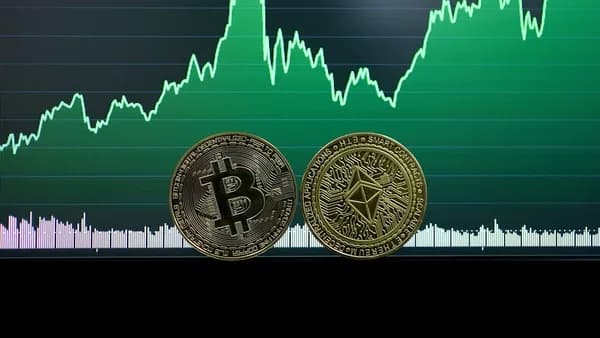
Safe-Haven Assets: When there’s trouble in the world, people often buy gold, U.S. Treasury bonds, or even certain cryptocurrencies like Bitcoin. Gold is a classic “safe-haven”—it tends to hold value when stocks fall. Treasury bonds are backed by the U.S. government, so they’re seen as safe, but returns can be low. Cryptocurrencies are more risky, but some see them as a hedge against inflation, especially when central banks print more money.
Monitoring and Adjusting: Check your portfolio every few months. If you see one area dropping, don’t panic—but look for patterns. Are certain stocks losing value because of oil prices or war headlines? Did your bond fund fall because interest rates moved? You don’t need to react to every headline, but you should know what you own and why.
Concrete Action Steps:
- Rebalance your investments if one type grows too large.
- Add some inflation-protected securities like TIPS (Treasury Inflation-Protected Securities).
- Keep some cash on hand for emergencies or to buy bargains if the market drops.
- Don’t rush into “hot” investments just because you hear about them on the news.
No one can predict exactly what will happen next. But spreading your money out and picking a few “safe” places can help you ride out storms.
How to Prepare Your Business for Prolonged Economic Caution and Uncertainty
Running a business in a time like this is tough. Costs are up, customers may be spending less, and nobody knows how long this uncertainty will last. But you can still act now to protect your company.
Manage Cash Flow: Watch your bank account closely. Make sure you have enough cash to cover two or three months of expenses. Delay big purchases if you can, and collect payments from customers as soon as possible.
Control Costs: Look at every line in your budget. Are there subscriptions or services you don’t need? Can you negotiate better deals with suppliers? Small savings add up. If you rent space, ask your landlord about a longer-term lease for a lower rate.
Strengthen Your Supply Chain: Geopolitical risks in places like the Middle East can make it harder or more expensive to get supplies [Source: CryptoBriefing]. Ask suppliers if they have backup plans or partner with more than one vendor. Consider keeping extra inventory of key items if prices look set to rise.
Smart Pricing Strategies: If your costs go up, you may need to raise prices. But do it carefully—explain to customers why, and look for ways to add value. Maybe offer discounts for larger orders or bundle products together. Watch how demand changes after you adjust prices.
Scenario Planning and Forecasting: Make simple what-if plans. What if sales drop by 20%? What if a supplier can’t deliver for a month? Build these scenarios and figure out how you’d handle them. Flexible forecasting means you can shift plans faster if things change.
Example: During the pandemic, many restaurants survived by adding takeout and delivery. Can your business offer a new service or product that fits the times? Staying flexible is the best way to handle surprises.
Even if things feel uncertain, you don’t have to stand still. Tighten up your operations, keep an eye on costs, and be ready to shift gears if needed.
How to Stay Informed and Adapt to Future Federal Reserve Policy Changes
The Fed’s choices can move markets and change your finances overnight. So, it’s smart to keep up with what the Fed is saying and doing.
Follow Fed Announcements: The Federal Reserve usually makes statements after its meetings, and Chair Jerome Powell holds press conferences. You can watch these online or read quick summaries from news outlets like The Wall Street Journal, Bloomberg, or Reuters. For clear, easy updates, check the Fed’s own website or financial news sites that break down what the moves mean for regular people.
Track Key Indicators: Pay attention to inflation reports, jobs numbers, and GDP growth. These are the signals the Fed watches when making decisions. Sites like CNBC, Yahoo Finance, and the Bureau of Labor Statistics post these numbers.
Get Advice: Even if you’re not an expert, you can ask your bank, financial advisor, or accountant what Fed decisions mean for you. Review your savings, debt, and investments every few months, and adjust if needed.
Stay Agile: The only sure thing about the economy is that it changes. If you stay informed and review your plans often, you’ll be ready to act—whether that means saving more, refinancing, or changing your investment mix.
Conclusion: Navigating Economic Caution with Informed Financial Strategies
The Fed’s steady rate decision shows that inflation and world events are still big worries [Source: CryptoBriefing]. Whether you’re managing a household, investing for the future, or running a business, it pays to know what’s happening and plan for bumps in the road. Protect your money by watching your debt, spreading out your investments, and staying flexible with your spending. The smartest move now is to stay alert and ready to change course if needed. That way, no matter which way the wind blows, you’ll be ready.
⚠️ Disclaimer: This article is for informational purposes only and does not constitute financial advice. Always do your own research before making investment decisions.
Why It Matters
- The Fed's decision to hold rates steady affects borrowing costs for mortgages, car loans, and credit cards.
- Persistent inflation means consumers may continue facing higher prices for everyday goods.
- Global risks like Middle East tensions could further impact economic stability and future Fed decisions.