Why DTCC's Tokenization Service Could Transform Wall Street Trading
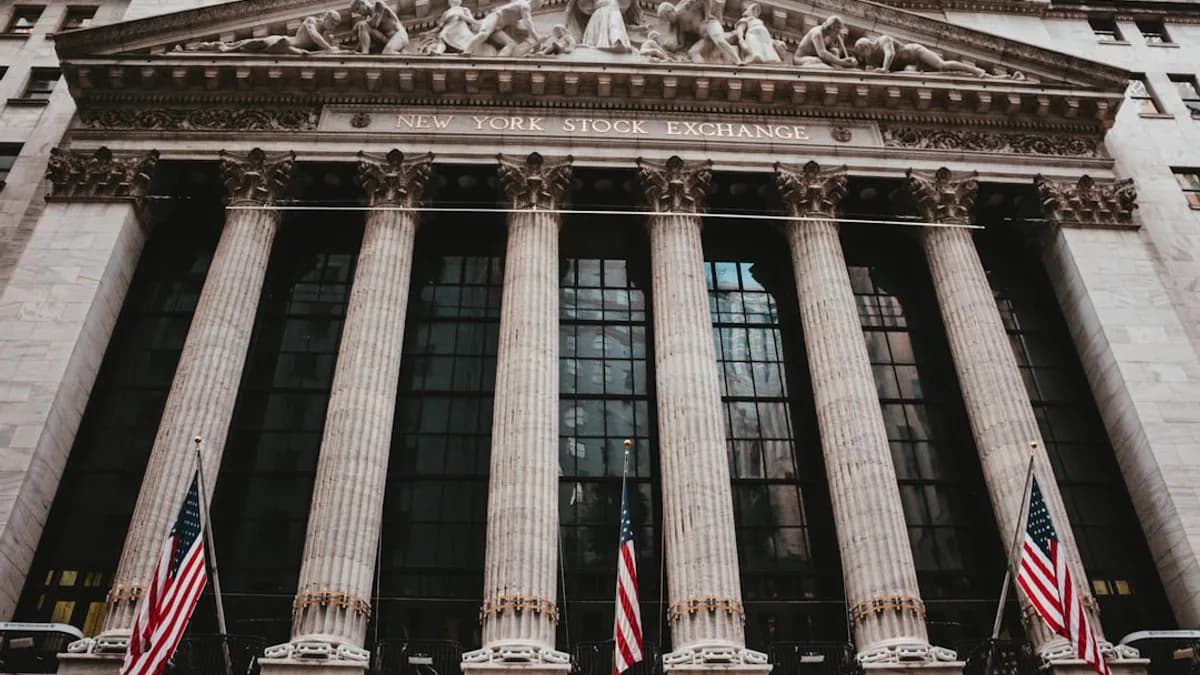
DTCC, the financial plumbing behind $114 trillion in annual securities transactions, is about to pitch Wall Street’s core assets—Russell 1000 stocks and U.S. Treasuries—onto a blockchain. That’s not a proof-of-concept. It’s a tectonic shift, especially when the world’s biggest banks are already lining up to join, according to Decrypt.
DTCC’s reach is unparalleled. Nearly every equity and debt trade in the U.S. runs through its clearing and settlement pipes. By tokenizing blue-chip stocks and government bonds, DTCC isn’t just tinkering—it’s inviting Wall Street to rewrite how assets move, who owns what, and how quickly deals close. The current system, built for paper certificates and 9-to-5 banking hours, still takes two days (T+2) to settle most trades. Tokenization could cut that to minutes—maybe seconds—by using programmable digital tokens instead of legacy ledgers.
When JPMorgan, Goldman Sachs, Citi, and others commit to DTCC’s pilot, it signals more than technical curiosity. It’s a collective bet that digital securities are ready for prime time. These are institutions with zero patience for vaporware; if they’re in, it means tokenization isn’t just hype—it’s on the verge of becoming a new standard. For traders, fund managers, and even retail investors, this could mean more liquidity, quicker access to cash, and fewer settlement failures. The stakes: Wall Street’s core infrastructure may be about to get digitized, and this time, it’s happening at scale.
What Does Tokenization of Stocks and Treasuries Mean for Investors?
Tokenization turns traditional assets—like Apple shares or 10-year Treasury bonds—into digital tokens recorded on a blockchain. Unlike conventional ownership, where you might own shares through a broker and wait for settlement, tokenized assets are programmable, transferable, and divisible in ways legacy systems simply can’t match.
On a blockchain, each token represents a legal claim to an underlying security, tracked in real time. This architecture means investors can trade fractions of a share or bond, opening up access to blue-chip assets for portfolios of all sizes. If you want one-thousandth of Alphabet stock, tokenization makes that possible—no need for expensive intermediaries or synthetic derivatives.
Transparency is another major upgrade. Every transaction is logged immutably, visible to regulators, counterparties, and investors alike. That cuts down on settlement risk, reduces the chances of mismatched trades, and shrinks the window for fraud. Counterparty risk—the possibility your trade partner defaults—drops when tokens settle instantly and verification is baked into the protocol.
For investors, this shift could mean lower fees, more direct access to assets, and the ability to move capital across markets in near real time. The model also allows for new products: instant swaps, automated dividends, and programmable compliance checks. Tokenization doesn’t just digitize ownership—it fundamentally changes how investors interact with the market, making it faster, safer, and more flexible.
How DTCC Plans to Implement Tokenization for Russell 1000 Stocks and Treasuries
DTCC’s technical playbook is ambitious and pragmatic. The firm will use a proprietary platform—Digital Securities Management (DSM)—built to handle tokenized versions of the Russell 1000 (the top 1000 U.S. stocks by market cap) and Treasuries. DSM isn’t just another blockchain; it’s designed to integrate with DTCC’s existing infrastructure so trades, settlements, and regulatory reporting can tap into the same pipes that Wall Street already trusts.
Integration is crucial. DTCC plans to map each token to its real-world counterpart, ensuring that ownership, rights, and compliance are preserved. That means legacy systems like DTC and NSCC aren’t abandoned—they’re augmented by blockchain, allowing brokers, custodians, and asset managers to switch between traditional and digital workflows. The system will support both on-chain and off-chain transactions, so market participants can choose the best fit for their needs.
Regulatory compliance is baked in. DTCC is working closely with SEC and FINRA to ensure tokenized assets meet all reporting, KYC, and anti-money-laundering requirements. The pilot phase will involve Wall Street giants—JPMorgan, Citi, Goldman Sachs, and others—who will test tokenized trading in a controlled environment. This isn’t a sandbox—it’s a dress rehearsal for real, regulated markets.
The rollout will happen in stages. The initial wave, set for late 2024, focuses on operational testing—moving tokens through settlement and reconciliation processes. If successful, DTCC expects broader adoption in 2025, with full-scale tokenized trading of Russell 1000 stocks and select Treasuries. The goal: seamless transition from paper-based settlement to digital tokens, with no disruption to existing markets.
What Challenges Could DTCC Face in Launching Its Tokenization Service?
Scaling a tokenization platform to handle trillions in assets isn’t trivial. DTCC must ensure that its DSM platform can process high-frequency trades, handle millions of simultaneous transactions, and withstand cyberattacks from adversaries targeting the new digital infrastructure. Blockchain networks are notorious for congestion and latency; DTCC will need to prove its system can deliver Wall Street-grade performance.
Security is a second major hurdle. Tokenized assets are vulnerable to hacks, smart contract bugs, and insider threats. DTCC’s reputation rests on zero tolerance for settlement errors. Any breach could rattle confidence in the tokenization model, especially with the world’s largest financial institutions on board.
Regulatory and legal risks loom large. The SEC has yet to finalize rules for digital securities, and there’s ongoing debate about how tokenized assets fit within existing frameworks. DTCC must navigate a patchwork of state, federal, and international laws. Investor protections, disclosure requirements, and tax reporting must all be mapped onto tokenized workflows. If regulators drag their feet, DTCC’s rollout could stall or face costly compliance upgrades.
Market adoption isn’t guaranteed. Traditional investors may worry about the complexity, reliability, and interoperability of tokenized assets. To convince skeptics, DTCC must deliver flawless execution and clear, measurable benefits—faster settlement times, lower fees, and airtight security. If the pilot flops, or if major players hesitate, tokenization could remain a niche play instead of reshaping Wall Street.
How Tokenization by DTCC Could Change the Future of Securities Trading
Consider a hypothetical: A fund manager wants to buy $100 million in Russell 1000 stocks. Today, the trade settles over two days, tying up collateral, creating exposure to market moves, and incurring up to $100,000 in operational costs. With DTCC’s tokenization, the same trade could settle within minutes, freeing capital instantly and slashing operational expenses by 50-80%. That speed reduces settlement risk, shrinks the need for intermediaries, and boosts liquidity across the board.
Long term, tokenization could make markets more efficient and transparent. Programmable tokens allow for real-time audit trails, automated compliance, and instant reconciliation. This means fewer failed trades, tighter spreads, and better price discovery. For regulators, monitoring shifts from periodic reporting to continuous oversight—a seismic upgrade for market integrity.
New financial products will emerge. Imagine automated index rebalancing, cross-asset swaps executed by smart contracts, or retail investors buying fractional shares of Treasuries with a mobile app. The possibilities stretch beyond stocks and bonds: tokenized real estate, art, and private equity could follow, expanding access and liquidity for asset classes historically locked behind gates.
DTCC’s move will force other financial giants to respond. If the pilot is successful, expect competing platforms from CME, ICE, and major banks. The trend won’t stop at U.S. markets. European and Asian exchanges will scramble to build their own tokenization rails, accelerating global adoption of blockchain in finance.
For investors, traders, and fund managers, this is a moment to watch. Tokenization isn’t just a technical upgrade—it’s a fundamental rewrite of how markets operate. The next two years will show whether DTCC’s gamble pays off, unleashing a wave of digitized assets and reshaping Wall Street for a new era.
⚠️ Disclaimer: This article is for informational purposes only and does not constitute financial advice. Always do your own research before making investment decisions.
Why It Matters
- DTCC's tokenization service could drastically speed up Wall Street trading by reducing settlement times from days to minutes.
- Major banks like JPMorgan, Goldman Sachs, and Citi joining the pilot signals tokenization is moving from theory to industry reality.
- Digitizing stocks and bonds may increase liquidity, reduce settlement failures, and modernize the financial system for investors and institutions.