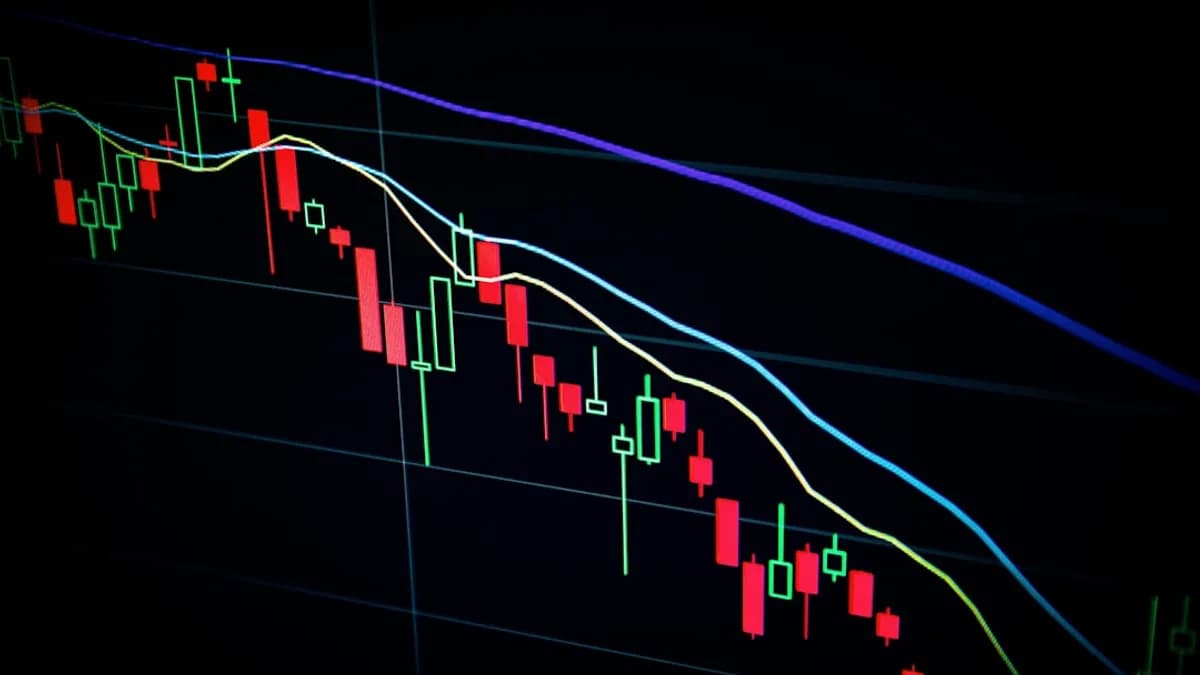
How Iran-Linked Missile Threats Triggered a Sharp Dow Plunge
Markets punish uncertainty. When the United Arab Emirates announced it had detected missiles originating from Iran, the Dow Jones instantly shed 400 points—an abrupt correction that signals more than routine jitters. The drop wasn’t triggered by economic data, earnings misses, or Fed commentary, but by a sudden geopolitical flashpoint. Investors read the news as a harbinger of regional escalation, raising the specter of supply chain disruptions, oil price spikes, and contagion across risk assets.
The psychological impact of surprise security threats is outsized. Unlike scheduled central bank meetings or expected macro releases, missile alerts from the Middle East hit markets with maximal velocity. Algorithms amplify the effect, auto-selling on headlines before human traders even process the implications. The result: volatility shoots up, safe havens like Treasuries and gold rally, and risk appetite collapses. As Yahoo Finance reported, the Dow’s slide wasn’t just a blip—it was a signal that investors see escalation risk as a real threat to global stability.
The news landed at a time when markets were already wary of hawkish Fed signals and uneven earnings. But geopolitical shocks like this override routine anxieties. The missile detection forced traders to reassess exposure not just to the Gulf, but to any asset vulnerable to regional volatility—especially those tied to oil flows and global trade routes.
Quantifying the Market Fallout: Dow Jones and Sector-Specific Losses
A 400-point drop in the Dow translates to roughly a 1.1% decline, erasing billions in market capitalization in under an hour. That’s not catastrophic, but it’s sharp enough to rattle institutional portfolios and trigger margin calls for leveraged traders. The S&P 500 and Nasdaq followed suit, but the damage was most acute in sectors with direct exposure to Middle East risk.
Energy stocks initially rallied as traders anticipated supply disruptions, but gains evaporated when it became clear that escalation could also dampen global demand. ExxonMobil and Chevron both swung 2% intraday before closing flat, while oil futures spiked nearly 4% on the news before settling at a more modest 2% gain. Defense names like Lockheed Martin and Northrop Grumman posted gains—up 3% and 2.5% respectively—as investors rotated toward military hardware and cybersecurity plays.
Tech stocks, especially those with significant hardware manufacturing in Asia, took a hit. Apple fell 1.4%, Nvidia dropped 2.1%, and semiconductor ETFs gave up 2.8%. The logic: any disruption in Persian Gulf shipping raises the risk of delayed supply chains, higher input costs, and weaker margins.
This isn’t the first time Middle East tensions have punished markets. During the 2019 drone attack on Saudi oil facilities, the Dow lost 150 points in a single session, and oil jumped 12%—its biggest one-day spike in decades. But this time, the missile threat came with greater uncertainty, sparking a broader flight from risk and sharper sector rotation.
Diverse Stakeholder Reactions: Investors, Policymakers, and Regional Players
Investors responded by hiking risk premiums across the board. Credit spreads widened—investment grade corporate bonds saw yields jump 8 basis points, while high-yield spreads moved up 15bps. Volatility indexes (VIX) surged 18% intraday, with options traders rushing for protection. Hedge funds cut exposure to emerging markets and crude, while pension funds shifted allocations toward large-cap defensive stocks.
Policymakers moved quickly to reassure markets. The US State Department condemned the missile activity and promised “heightened vigilance” in the Gulf. Treasury Secretary Janet Yellen emphasized the resilience of the financial system, but stopped short of promising intervention. The UAE, meanwhile, sought to calm fears, stating that its missile defense systems had intercepted the threats and that business activity continued as normal.
Iran’s official response was cagey—denying direct involvement while warning regional powers against “provocation.” Neighboring Saudi Arabia, which has seen its own infrastructure targeted in past years, went on high alert and pressed for tighter coordination among Gulf states. Israel’s defense ministry issued a statement on “regional destabilization,” but markets read it as saber-rattling rather than imminent action.
Regional reactions matter because they shape the narrative: a coordinated Gulf response can dampen market fears; fragmentation or escalation, on the other hand, stokes uncertainty and volatility.
Historical Patterns of Middle East Conflicts Impacting Global Markets
Middle East conflicts have a consistent record of roiling global markets, but the scale and duration vary. The 1973 oil embargo triggered the Dow’s worst annual drop since the Great Depression, with a 16% decline over several months. Oil quadrupled in price, inflation accelerated, and central banks scrambled to cope with stagflation.
More recently, the 2019 Saudi drone strike pushed Brent crude up 14% overnight—the steepest move since the Gulf War. The Dow lost 150 points, but recovered within a week as Saudi output resumed and diplomatic channels opened. The 2006 Israel-Hezbollah conflict saw a 5% drop in the S&P 500 over two weeks, but markets stabilized once international mediation took hold.
This missile detection event differs in several ways. First, the threat was not against oil infrastructure but regional security—raising the stakes for shipping routes and defense postures. Second, the timing coincided with persistent inflation and a hawkish Fed, limiting central bank flexibility to cushion shocks. Finally, algorithmic trading and real-time news flow mean volatility spikes are sharper, but often shorter-lived.
Historically, markets recover once the immediate threat recedes. But the pattern is clear: the longer uncertainty persists, the higher the risk premium across all asset classes, especially energy, industrials, and emerging market equities.
Implications for Global Investors and the Energy Sector Amid Heightened Risks
The energy sector stands on a knife edge. If missile threats become more frequent or escalate into direct conflict, oil prices will surge. Brent and WTI futures already moved up 2% and 2.3% respectively, pricing in disruption risk. Shipping insurers raised premiums for Gulf-bound tankers by 25%, echoing moves seen during the 2021 Suez Canal blockage.
Global investors face renewed volatility in commodity-linked assets. Large funds are reevaluating exposure to Middle East equities, while risk managers push for more hedging against geopolitical shocks. Strategies include rotating into US utilities, gold ETFs, and short-duration Treasuries—assets that historically outperform during regional crises.
Supply chains are vulnerable. Nearly 30% of global oil trade passes through the Strait of Hormuz, as does a significant share of container shipping between Asia and Europe. Prolonged instability could choke flows, spike shipping costs, and disrupt manufacturing from autos to semiconductors.
In the broader context, sustained tensions would slow global growth, pressure central banks to balance inflation with financial stability, and force multinationals to reconsider sourcing and logistics. Investors who ignore these risks do so at their own peril. The most resilient portfolios will be those that anticipate not just price swings but structural shifts in supply and demand.
Forecasting Market Trajectories: Potential Scenarios Following the Missile Alert
Short-term, volatility will remain elevated. If the missile threat recedes—either through diplomatic intervention or successful regional defense—markets will claw back losses within days. The Dow could rebound 1-2% as risk premiums normalize and sector rotations unwind. But if Iran’s involvement escalates, or if new attacks target infrastructure, expect oil to break $90/barrel and energy stocks to surge while broader markets correct another 3-5%.
Diplomatic efforts will be crucial. US, EU, and Gulf state mediation has historically calmed markets, but the current climate—marked by fraying alliances and domestic distractions—offers less certainty. If talks stall and conflict intensifies, global investors will rotate decisively toward defensive assets, and emerging markets will underperform.
Long-term, persistent missile threats from Iran would reshape investor behavior. Defensive sectors—utilities, defense, consumer staples—would attract capital, while cyclicals and high-beta tech would lag. Risk premiums on Middle East assets would stay elevated, and global supply chains would likely shift away from the Gulf region, forcing multinationals to diversify routes and suppliers.
The most probable scenario: a brief market shock followed by a partial rebound, barring escalation. But the risk of a protracted crisis is real. Investors should expect sharper swings, more sector rotation, and a permanent uptick in demand for geopolitical intelligence and risk analytics. This incident isn’t just noise—it’s a reminder that security threats in the Gulf can reshape global markets overnight.
⚠️ Disclaimer: This article is for informational purposes only and does not constitute financial advice. Always do your own research before making investment decisions.
The Bottom Line
- Geopolitical flashpoints can cause sudden market volatility, impacting investors globally.
- Missile threats in key regions raise fears of supply chain disruptions and oil price spikes.
- A sharp Dow decline signals heightened risk and uncertainty for portfolios and global trade.