Why Are Celebrities and Investors Eager to Own SpaceX Shares Before Its IPO?
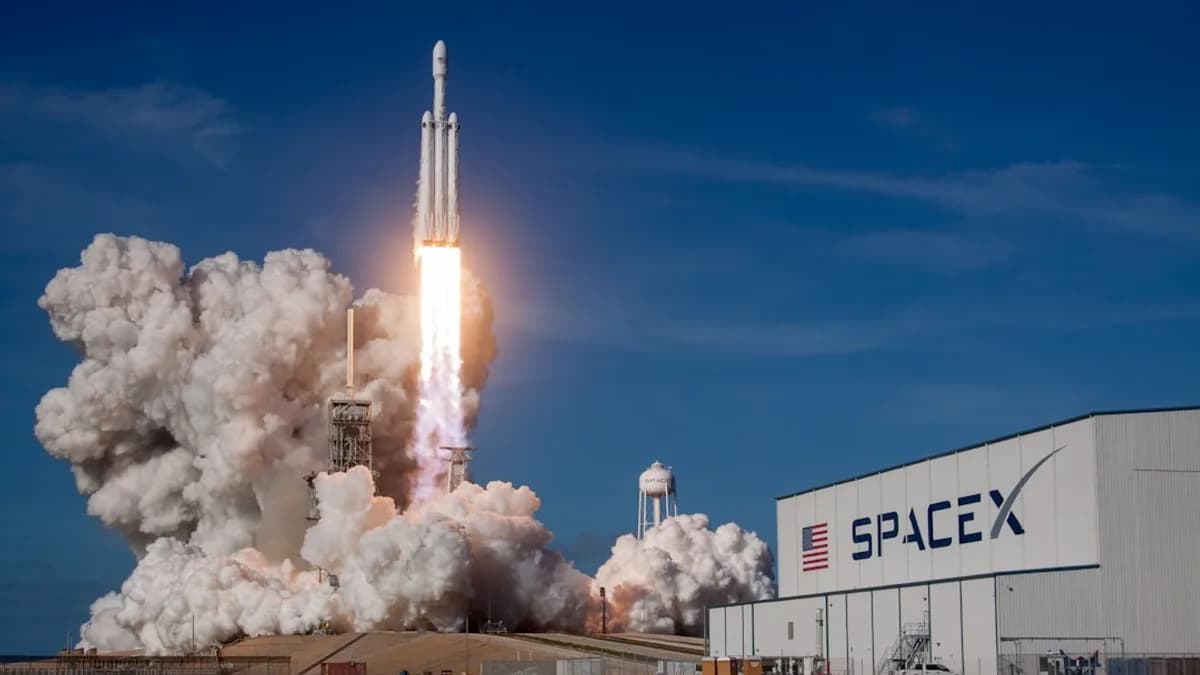
Owning a piece of SpaceX before its IPO has become a status symbol, rivaling rare art or prime real estate. The company’s valuation has soared past $180 billion, making it the most valuable private tech company in the U.S. after Stripe and ByteDance. For investors and celebrities, early access isn’t just about potential windfall—it’s about being in the room where history happens.
Financially, pre-IPO shares offer the chance to ride the rocket before Wall Street gets on board. SpaceX’s track record—successful launches, contracts with NASA, and Starlink’s global reach—has fueled expectations that its public debut could echo the explosive runs of Tesla or Nvidia, whose early backers pocketed triple-digit returns. Early shareholders might see their investments multiply when public hype and institutional money flood in.
For celebrities, the appeal goes beyond dollars. Tech ownership is the new badge of relevance. When rapper 2 Chainz or former White House comms director Anthony Scaramucci claim SpaceX shares, they signal insider status—an invitation to exclusive circles where innovation and influence intersect. As Yahoo Finance reports, the phenomenon reflects a cultural shift: the cool factor of backing Elon Musk eclipses old-school endorsements or product placements.
In short, SpaceX pre-IPO shares offer both financial upside and social cachet. The allure is obvious—but the mechanics are anything but.
How Do Private Shares of SpaceX Circulate Before the Company Goes Public?
SpaceX shares don’t trade on Nasdaq or NYSE, but they do change hands—quietly and selectively. The company, like most private giants, structures its equity through restricted stock and options, issued to employees, early investors, and select partners. These holders become the gatekeepers in any pre-IPO deal.
Secondary markets have emerged to connect buyers and sellers. Platforms like Forge Global, EquityZen, and SharesPost specialize in brokering private stock transactions. Here, accredited investors and institutions can bid for shares offered by employees or early backers looking to cash out, often at steep premiums. For SpaceX, secondary sales have reportedly priced shares at $97 apiece in recent rounds—almost triple the 2019 valuation.
But the process is tightly controlled. SpaceX’s shareholder agreements typically include “right of first refusal” clauses. This means the company, or its designated investors, can block or approve any sale. Transfer restrictions ensure Musk and his team keep the cap table clean, preventing rivals or undesirable outsiders from creeping in. Some deals require buyers to pass background checks, sign confidentiality agreements, or buy through complex trusts.
Employee stock options are another path. SpaceX grants options as compensation, vesting over time and sometimes tied to performance milestones. Employees can sell vested shares in secondary rounds—if allowed by the company. High-profile buyers often rely on personal connections, negotiating directly with insiders or through venture capital contacts. Every move is shadowed by legal constraints, from SEC rules to company policies.
In essence, pre-IPO SpaceX shares circulate in a closed, curated market. Access relies on money, connections, and compliance, not mere interest.
What Are the Common Ways Celebrities and Early Investors Secure SpaceX Shares?
Celebrities and early investors rarely go through standard channels. Instead, they navigate a patchwork of private deals, often fueled by personal relationships. According to Yahoo Finance, rapper 2 Chainz claims his shares were “gifted” by someone close to Musk—suggesting a direct transfer, likely vetted and approved by SpaceX’s board. Anthony Scaramucci, a hedge fund founder, reportedly accessed shares through his firm’s network, tapping into venture capital pools and secondary funds.
Private sales are most common among insiders. Early employees who’ve vested options may sell to wealthy buyers, usually after securing company approval. These deals are often facilitated by boutique brokers familiar with the company’s transfer restrictions. Venture capital firms sometimes package shares into funds, allowing select clients—often celebrities or athletes—to buy indirect stakes. For example, Andreessen Horowitz and Founders Fund have previously syndicated private shares to limited partners, though SpaceX itself is notoriously selective about who joins the shareholder list.
Gifting shares, as in 2 Chainz’s case, is rare and fraught with legal hurdles. Companies must approve any transfer, and recipients must qualify as accredited investors under SEC rules. Some celebrities claim stakes via trusts or special purpose vehicles (SPVs), which pool capital and buy shares collectively, reducing individual risk and sidestepping direct negotiations.
Contractual restrictions loom large. SpaceX prohibits resale without consent, and shareholders face lockup periods—sometimes up to 180 days post-IPO—during which sales are barred. Violating these terms can trigger buybacks at deep discounts or legal action. The result: even well-connected buyers must navigate a thicket of paperwork, approvals, and waiting periods.
For those outside Silicon Valley’s inner circles, the odds are slim. For those inside, patience and discretion are essential.
What Risks and Limitations Exist When Owning Private Shares Before an IPO?
Liquidity is the first hurdle. Unlike public stocks, private shares can’t be dumped on the open market. Sellers must find willing buyers—often at unpredictable prices—while navigating SpaceX’s approval process. If the company delays its IPO or faces a downturn, shareholders could be locked in for years.
Valuation is another blind spot. SpaceX’s internal share price is set during funding rounds or secondary sales, but there’s no guarantee the IPO will match—or exceed—these numbers. Recent secondary trades valued SpaceX at $180 billion, yet the public market could assign a lower (or higher) price. Early shareholders risk overpaying if hype fizzles or regulatory hurdles emerge.
Legal and financial risks multiply. Transfer restrictions and lockup clauses can leave investors stranded, unable to sell when markets turn. Some early buyers face clawbacks if their shares were transferred without proper authorization. SEC scrutiny is intensifying around “pre-IPO funds,” especially those marketed to non-accredited investors. In the worst case, buyers could wind up with illiquid paper and no recourse.
Market volatility compounds the problem. Tech IPOs have whipsawed in recent years: Rivian’s shares plunged 80% post-IPO, while Stripe delayed its public offering amid valuation concerns. SpaceX’s Starlink spin-off rumors add another layer of uncertainty. Investors betting on a blockbuster debut could see their returns evaporate if sentiment shifts.
Holding private SpaceX shares is high-risk, high-reward—and only those comfortable with uncertainty should play.
How Did Anthony Scaramucci and 2 Chainz’s Early SpaceX Investments Illustrate These Trends?
Scaramucci and 2 Chainz’s claims spotlight both the allure and opacity of pre-IPO investing. Scaramucci, whose SkyBridge Capital specializes in alternative assets, reportedly accessed SpaceX shares via secondary funds, leveraging connections with major venture capital firms. His public statements have fueled speculation, but details remain scarce—typical for pre-IPO deals where NDAs and company policy limit transparency.
2 Chainz took a different route. In interviews, he’s said his SpaceX shares were “gifted” by a Musk associate, likely a high-ranking employee or early investor. The move underscores how personal relationships can trump financial credentials in accessing coveted tech stakes. Yet questions linger about compliance: gifting shares requires SpaceX’s approval, and the process must satisfy SEC rules on accredited investors.
Both cases have amplified hype around SpaceX’s IPO prospects. Their ownership stories spark FOMO among retail investors, even though the path to pre-IPO shares is closed to most. Scaramucci’s financial pedigree gives his claims extra weight, while 2 Chainz’s celebrity brings SpaceX into pop culture. The result: growing demand for private shares, rising valuations, and increased scrutiny of secondary deals.
Neither has revealed exact holdings or terms, and SpaceX’s tight-lipped approach keeps details murky. But their stories illustrate the broader trend: access to pre-IPO tech shares depends on connections, compliance, and luck.
What Should Investors and Watchers Expect Next?
SpaceX’s IPO chatter shows no signs of fading. Musk has teased a Starlink spin-off, and insiders expect a public offering in late 2024 or 2025. When the gate opens, early shareholders could see huge gains—or face disappointment if Wall Street cools on space tech.
Regulators are watching closely. The SEC has warned about pre-IPO funds marketed to retail investors, especially those promising easy access to unicorn shares. If SpaceX tightens its transfer rules or cracks down on unauthorized deals, the secondary market could shrink.
For investors, the lesson is clear: private shares offer outsized upside, but only for those willing to accept opacity, illiquidity, and legal complexity. Unless you’re already plugged into Silicon Valley networks, chasing pre-IPO stakes is a costly gamble. Watching the IPO—and studying how early shareholders fare—will offer a blueprint for future unicorns, from Stripe to OpenAI.
The next SpaceX may be even harder to access. For now, owning a piece of the company remains the ultimate insider flex, with most left waiting for the public launchpad.
⚠️ Disclaimer: This article is for informational purposes only and does not constitute financial advice. Always do your own research before making investment decisions.
Why It Matters
- Early ownership of SpaceX shares can yield significant financial returns if the company goes public.
- Pre-IPO shares grant social status and insider access, particularly among celebrities and influencers.
- The trend reflects broader changes in how tech equity and innovation drive cultural relevance.