Wall Street Cheers While Main Street Sours
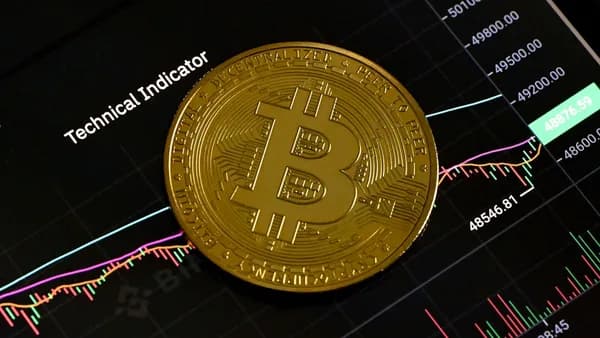
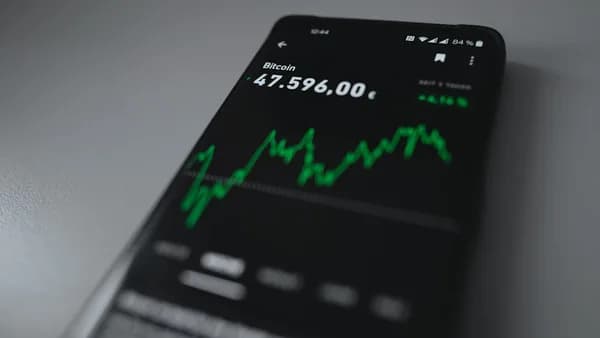
Bitcoin and the Nasdaq have taken off, but U.S. consumer sentiment has cratered to historic lows. That split isn’t just a footnote — it’s the market flashing a warning about a fundamental disconnect. Investors are celebrating, but Main Street is turning more pessimistic than at almost any point in memory, according to CoinDesk.
The rally in speculative assets and tech stocks suggests that investors see opportunity — or at least, are betting the worst is behind them. But the collapse in consumer optimism tells a different story, one where wage earners and households are bracing for pain. The gap between the two is widening, setting up a collision between market euphoria and economic reality.
What We Know: Markets Rally, Sentiment Tanks
Bitcoin and the Nasdaq have both posted sharp gains. The specifics — percentage points, timeframes, or catalysts — aren’t detailed in the source, but the rally is described as significant. At the same time, U.S. consumer sentiment has dropped to historic lows. The source does not specify the index or the absolute level, but “historic” sets the context: this isn’t a garden-variety dip.
The story doesn’t supply numbers on job growth, inflation, or other macro indicators. But the headline contrast is explicit: financial markets are surging while consumers grow gloomier.
Why It Matters: The Market-Consumer Divide
When markets and consumer sentiment move in opposite directions, it signals underlying stress. Investors are often forward-looking, pricing in expected earnings, technological advances, or policy shifts. Consumers, meanwhile, respond to immediate pocketbook pressures. If people on Main Street feel squeezed, they cut spending, which eventually hits corporate profits.
A rally in Bitcoin and tech stocks against a backdrop of consumer pessimism can mean several things: investors might be betting on a soft landing, or they could be ignoring risks that households feel directly. Either way, the divergence can’t persist forever; something has to give.
What Remains Unclear: Drivers and Durability
The source doesn’t specify why markets are rallying or why sentiment is so low. Are investors chasing AI-fueled growth? Is Bitcoin rising on hopes of institutional adoption? Are consumers reacting to layoffs, cost-of-living shocks, or something else? Without data on wage trends, employment, or inflation, the full picture is missing.
We also don’t know how “historic” these lows are compared to previous crises, or if particular demographics are more pessimistic than others. The magnitude and duration of the split remain open questions.
Diverging Realities: Implications for Stakeholders
For investors, a rising Nasdaq and Bitcoin signal risk appetite — or at least, a belief that the current economic drag won’t derail growth stories in tech and crypto. For consumers, falling sentiment could mean pulling back on spending, skipping major purchases, or bracing for tougher times.
MLXIO analysis: When these worlds diverge, policy risk rises. Lawmakers and central banks may face pressure to address the disconnect, especially if consumer gloom starts to drag on the real economy and undercut the very optimism that’s driving markets up.
Lessons from Past Disconnects
The source doesn’t cite historical parallels, but a Wall Street–Main Street gap has often preceded market volatility. When markets surge ahead of economic reality, corrections tend to follow — sometimes sharp, sometimes slow. The key takeaway: persistent disconnects usually resolve, one way or another, with either sentiment recovering or markets correcting.
What to Watch: Signals of Alignment or Breakdown
The critical question now: will consumer sentiment bounce back, or will market optimism crack? Watch for new data on employment, retail sales, and inflation — if consumer metrics improve, the market rally may be justified. If not, expect volatility.
Investors should stay alert for signs of narrowing: does Main Street start to catch up, or does Wall Street lose faith? The gap between the two is unsustainable over the long term. Confirmation will come from either a sustained pickup in sentiment or a reversal in market gains. Until then, the disconnect itself is the story.
Disclaimer: This MLXIO analysis is for informational and educational purposes only. It is not financial, investment, legal, tax, or professional advice. It does not provide buy, sell, hold, price-target, portfolio, or personalized recommendations. Verify information independently and consult qualified professionals before making decisions.
The Bottom Line
- A widening gap between market optimism and consumer pessimism signals deeper economic stress.
- Consumer gloom may eventually impact corporate profits and slow economic growth.
- Understanding this disconnect helps anticipate future risks in both financial markets and the broader economy.