Why B&G Foods’ Recent Performance Raises Questions About Its Long-Term Potential
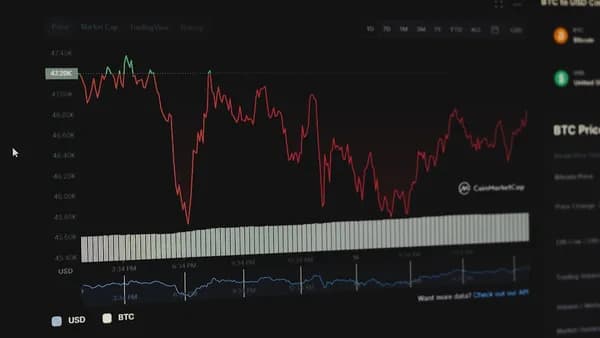
B&G Foods hasn’t just lagged the broader market—it’s been whipsawed by volatility that’s outpaced its food industry peers. Since January, shares have slid nearly 18%, underperforming both the S&P 500 and packaged food heavyweights like General Mills and Hershey. The selloff isn’t just about macro headwinds; it’s a blunt verdict on B&G’s specific challenges. Yahoo Finance reports rising concern among investors about the company’s ability to manage debt and maintain dividend payouts.
Market sentiment has soured, driven by disappointing earnings and ongoing questions about B&G’s pricing power. Unlike rivals who have leaned on premiumization and brand diversification, B&G’s portfolio is dominated by legacy brands that struggle to command higher margins. This matters in a year when inflation forces consumers to trade down and grocery retailers squeeze suppliers for lower prices. The company’s response—incremental price increases and cost cutting—hasn’t inspired confidence.
The food sector isn’t immune to broader economic malaise, but B&G’s problems are more acute. Investors worry about sluggish organic growth, persistent input cost inflation, and the risk that sustained high debt could force dividend cuts. The stock’s recent volatility reflects these fears: swings of 4-6% in a single day have become routine, far outstripping the sector average. For long-term investors, that raises a fundamental question—does B&G have the resilience to weather more turbulence, or is this a sign of deeper structural weakness?
Crunching the Numbers: Financial Health and Valuation Metrics of B&G Foods
Earnings tell a blunt story. In the latest quarter, B&G Foods posted net sales of $502 million, down 6% year-over-year. Profit margins have compressed: gross margin shrank to 19%, nearly two percentage points below industry benchmarks. Net income was just $11 million, a 50% drop from the same period last year. This is not a one-off—revenue growth has stagnated since 2021, with three consecutive quarters of negative sales growth.
Debt is the elephant in the room. B&G’s long-term debt sits around $2.1 billion, nearly four times its EBITDA for the past twelve months. Interest coverage ratios hover at 2.1x, while competitors like Hormel and Campbell Soup maintain ratios above 5x. Cash flow is tight: free cash flow for the last twelve months barely exceeded $60 million, limiting flexibility for acquisitions or product launches.
Valuation metrics paint a mixed picture. B&G’s trailing P/E ratio is 14.8, below the packaged food industry average of 18.5. On paper, this suggests the stock is cheap—but only if earnings stabilize. Price-to-book stands at 0.85, signaling investor skepticism about asset quality and future earning power. The dividend yield is a standout: at 7.2%, it’s among the highest in the sector. But high yield here is a double-edged sword—a sign of both income potential and perceived payout risk.
Peer comparison sharpens the focus. General Mills and Kraft Heinz both trade at higher P/E and lower dividend yields, reflecting greater market confidence. B&G’s valuation discount is not a buying opportunity unless management can reverse margin erosion and reignite growth. Until then, the numbers suggest a stock priced for trouble, not turnaround.
Diverse Stakeholder Perspectives on B&G Foods’ Future Prospects
Analysts are split, with a growing camp advocating “hold” or “underweight” positions. Several major banks have recently downgraded B&G, citing lackluster earnings and elevated leverage. Price targets cluster around $12-14, well below historic highs. Institutional investors have trimmed their holdings: the largest shareholder, BlackRock, cut its stake by 12% in Q1 2024, while Vanguard reduced by 8%.
Retail shareholders remain loyal, drawn by the outsized dividend. But sentiment is fraying—discussion forums and investor calls are peppered with questions about payout sustainability. The risk of a dividend cut is top of mind, especially after management flagged “ongoing review” of capital allocation in their last earnings call.
Management’s strategic guidance is cautious. Focus remains on cost controls and gradual debt reduction, with no blockbuster acquisitions or innovation on the horizon. CEO Casey Keller emphasizes “protecting margins and maintaining the dividend,” but admits headwinds are likely to persist through 2024.
Supply chain partners and grocery retailers see B&G as steady but unexciting. The company’s brands—Cream of Wheat, Green Giant, Ortega—are fixtures on shelves, but lack the buzz of emerging health or convenience trends. Consumer sentiment is tepid: surveys show declining brand loyalty among younger shoppers, who gravitate toward fresher, premium offerings. All stakeholders agree—B&G’s next moves must deliver growth, not just stability.
How B&G Foods’ Historical Performance Compares to Competitors in the Food Sector
B&G Foods has always been a defensive play—steady dividends, slow organic growth, and a portfolio of mature brands. Over the past decade, total returns (share price plus reinvested dividends) averaged 7% annually, trailing the S&P 500 and the packaged food sector, which delivered closer to 11%. The company’s growth strategy relied on bolt-on acquisitions—think Back to Nature and Clabber Girl—but these deals failed to meaningfully boost margin or market share.
Innovation has lagged. While competitors like Conagra and Mondelez invested heavily in plant-based, snack, and wellness products, B&G stuck to its legacy brands. Market share reflects this: Green Giant’s frozen vegetables are a household name, but the segment lost ground to private label and premium competitors. B&G’s share of the shelf is shrinking, especially in categories where consumer preferences are shifting fastest.
Past responses to disruption offer mixed lessons. During the 2020 pandemic, B&G benefited from pantry-stocking, with sales jumping 20% in one quarter. But as normalization set in, growth evaporated. The company’s slow pivot to e-commerce and digital marketing put it behind rivals who adapted faster.
Economic downturns hit B&G’s margins harder than some peers. Its reliance on volume sales and price-sensitive consumers makes it vulnerable when input costs spike or retailer promotions dry up. The upshot: B&G’s historical performance underscores resilience, but not leadership. The stock has weathered storms, but rarely outperformed when conditions improved.
What B&G Foods’ Stock Outlook Means for Long-Term Investors and the Food Industry
For income-focused investors, B&G Foods remains tempting. A 7%+ dividend yield is rare, especially in consumer staples. But the risks are mounting. If earnings continue to disappoint and debt remains elevated, the company may be forced to trim the payout—a move that would spark a share price selloff and undermine its value as an income play.
Growth investors have little to cheer. Without margin expansion or innovation, B&G’s upside is capped. The packaged food industry is evolving: premiumization, health trends, and direct-to-consumer channels are reshaping the competitive landscape. B&G’s slow response to these shifts leaves it vulnerable to category decline.
Supply chain dynamics add pressure. Input cost inflation—especially for grains and packaging—has squeezed margins since late 2022. While some rivals hedge aggressively or pass costs to consumers, B&G’s ability to do so is limited by its brand positioning. Retailer negotiations are tougher, and shelf space is increasingly contested.
Portfolio strategists see B&G as a diversifier, but not a growth driver. Its performance is uncorrelated with tech or discretionary stocks, offering ballast in turbulent markets. But the lack of catalysts and rising payout risk make it less attractive than sector leaders. The stock’s outlook is a litmus test for the broader food industry: legacy brands must innovate or risk obsolescence.
Forecasting B&G Foods’ Trajectory: Key Factors That Will Shape Its Stock Performance
Upcoming catalysts are thin. Management has flagged cost optimization and debt repayment as priorities, but no major product launches or acquisitions are slated for 2024. Regulatory shifts—such as new labeling requirements or sodium restrictions—could affect margins, but the impact is likely modest.
Macroeconomic forces loom large. Inflation remains sticky, especially for food inputs. If commodity prices spike, B&G’s thin margins could shrink further. Rising interest rates compound debt servicing costs, limiting room for investment or payout increases.
Technology is a wildcard. B&G has lagged in digital marketing and e-commerce—a drag on growth as younger consumers shift shopping habits. Any ramp-up in direct-to-consumer channels or supply chain automation could lift margins, but the company’s track record on tech adoption is weak.
Sustainability is another potential lever. Competitors are investing in eco-friendly packaging and carbon-neutral sourcing. B&G’s moves here have been incremental, not transformative. If consumer preferences tilt more sharply toward sustainable brands, B&G risks losing relevance.
Evidence points to a modest, low-volatility trajectory. Unless management surprises with a bold M&A play or a breakout innovation, the stock will likely grind sideways. Dividend stability is in doubt; payout cuts would trigger a sharp re-rating. The most probable scenario: B&G Foods remains a defensive, income-oriented holding—but not a long-term growth story. Investors seeking yield should watch for signs of margin improvement and payout discipline before committing new capital.
⚠️ Disclaimer: This article is for informational purposes only and does not constitute financial advice. Always do your own research before making investment decisions.
The Bottom Line
- B&G Foods' underperformance raises concerns about its long-term resilience in a volatile market.
- Persistent debt and declining margins threaten dividend stability, a key factor for income investors.
- The company's legacy brands and lack of premiumization make it vulnerable to inflation and shifting consumer habits.