Apple Card’s Transition from Goldman Sachs to Chase Officially Underway
Apple Card’s banking backbone is shifting: JPMorgan Chase will take over as card issuer, phasing out Goldman Sachs over the next year or two. That’s the official word from Apple, which has started briefing customers on what to expect during the transition, according to 9to5Mac. For the millions who rely on Apple Card for Daily Cash rewards and wallet-based management, the message is: don't panic. Day-to-day use remains unchanged for now.
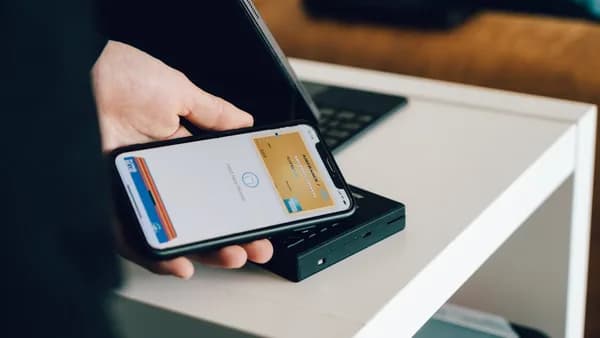
Apple’s communications stress stability throughout this process. Users won’t need to reapply, their cards will keep working as usual, and all features currently available—including Wallet app management and no-fee structure—are sticking around during the transition. The payment network isn’t changing either; Mastercard stays in place, preserving global acceptance and the same tap-to-pay experience.
The full handoff could take up to two years, but Apple is promising to keep users informed about any changes well before they hit. Until then, balances, rewards, and existing terms keep operating under the old regime.
What Apple Card Users Can Expect to Stay the Same During the Chase Transition
Apple is digging in on continuity. Daily Cash rewards—up to 3% back on purchases—remain untouched, as does the Apple Card Family feature that lets users share accounts within their Family Sharing group. The much-touted no-fee policy stays: no annual fees, no late fees, no foreign transaction fees. Apple’s “spend smarter” tools and Wallet integration are also locked in, meaning users won’t need to learn a new interface or migrate to a different app.
Customer support channels are also in stasis. Any questions or issues are handled just as before, via the Wallet app or Apple’s support site. Security and privacy protections, a core selling point since the card’s 2019 launch, will carry over to Chase’s tenure. Apple and Chase are both telegraphing a “business as usual” stance, signaling that the customer experience is not up for disruption—at least for now.
This level of reassurance is strategic. Apple Card has built a loyal base by making credit card use frictionless and predictable. Disrupting that with a messy transition would risk alienating users who value simplicity over surprise.
Potential Changes and What Apple Card Holders Should Watch For Next
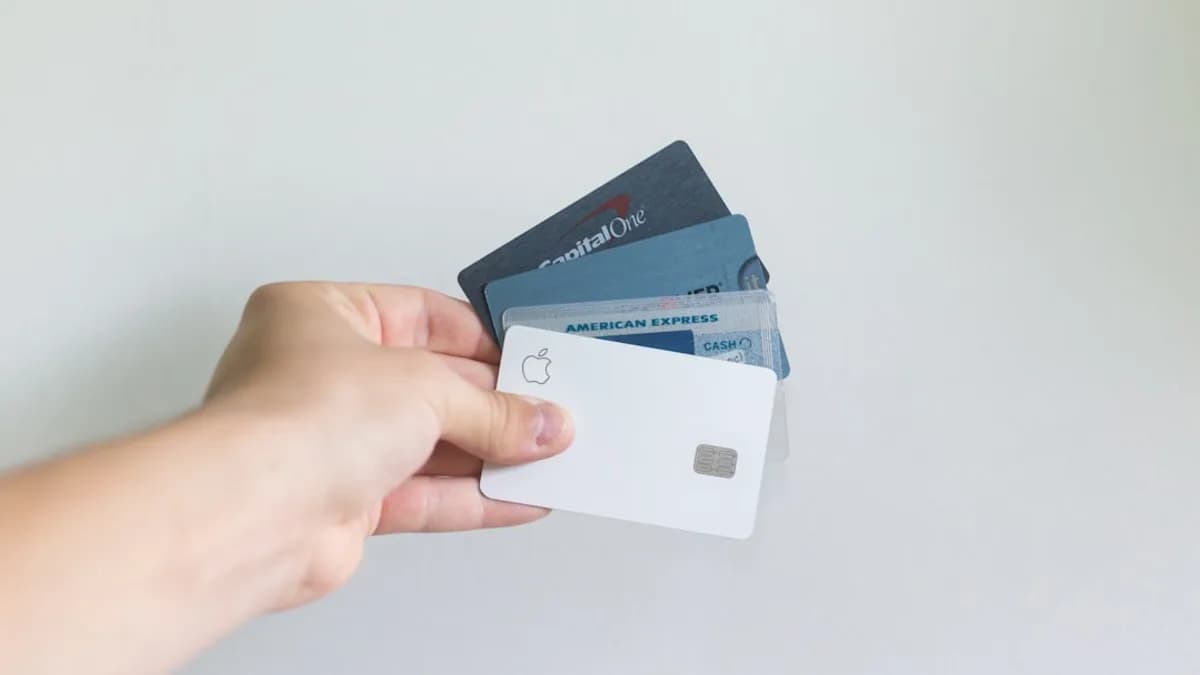
Under the hood, some things could shift once Chase is fully in charge. Apple hasn’t committed to keeping every detail unchanged after the transition. Specifics on whether users will need new physical cards, if account numbers will switch, or if there will be updates to credit terms are still pending. Apple’s official line is that “details will be shared as the transition date approaches.”
There’s also the open question of how Chase might tweak card benefits or backend management. While Apple is signaling stability, Chase’s long-term playbook isn’t on the table yet. Users should watch for communications about potential changes to credit reporting, billing cycles, or how new applicants are screened. The structure of rewards could also be a wild card; nothing in the official messaging rules out future changes once Chase assumes full control.
From a user perspective, the main takeaway is vigilance. Apple is promising direct communication about any required steps—new cards, updates to account info, or changes to terms—well before they go live. For now, no action is required. But as the handoff draws closer, users should expect a flurry of notifications and should review every message for instructions or opt-in requirements.
What Remains Unclear and What to Watch Next
The biggest unknown is what Chase will do with this high-profile partnership once the initial transition dust settles. Will the rewards structure stay as generous? Could Apple Card’s no-fee promise survive a new issuer’s risk models? The source material is silent on these specifics, and neither Apple nor Chase has revealed long-term strategies for the card’s evolution.
Another unresolved issue is how existing balances and installment plans (like Apple Card Monthly Installments for devices) will be ported over. Apple says more information is coming, but so far, details are thin. The possibility of new physical cards or changes to payment credentials is still open.
Bottom line: The Apple Card handoff is a test of whether two financial giants can deliver on the promise of a seamless user experience while swapping out the bank behind the curtain. Users should keep an eye out for updates from Apple as Chase ramps up its involvement—and be ready to act if the fine print changes. For now, the company line is “no disruption.” But with a transition this complex, surprises can’t be ruled out.
Disclaimer: This MLXIO analysis is for informational and educational purposes only. It is not financial, investment, legal, tax, or professional advice. It does not provide buy, sell, hold, price-target, portfolio, or personalized recommendations. Verify information independently and consult qualified professionals before making decisions.
Key Takeaways
- Apple Card users will see no immediate changes to daily use, rewards, or fees during the transition.
- Core features like Wallet integration, customer support, and Mastercard acceptance remain intact.
- The transition offers continuity and stability, minimizing disruption for millions of cardholders.