Why Are Shoppers Being Wrongly Accused by Facial Recognition in Stores?
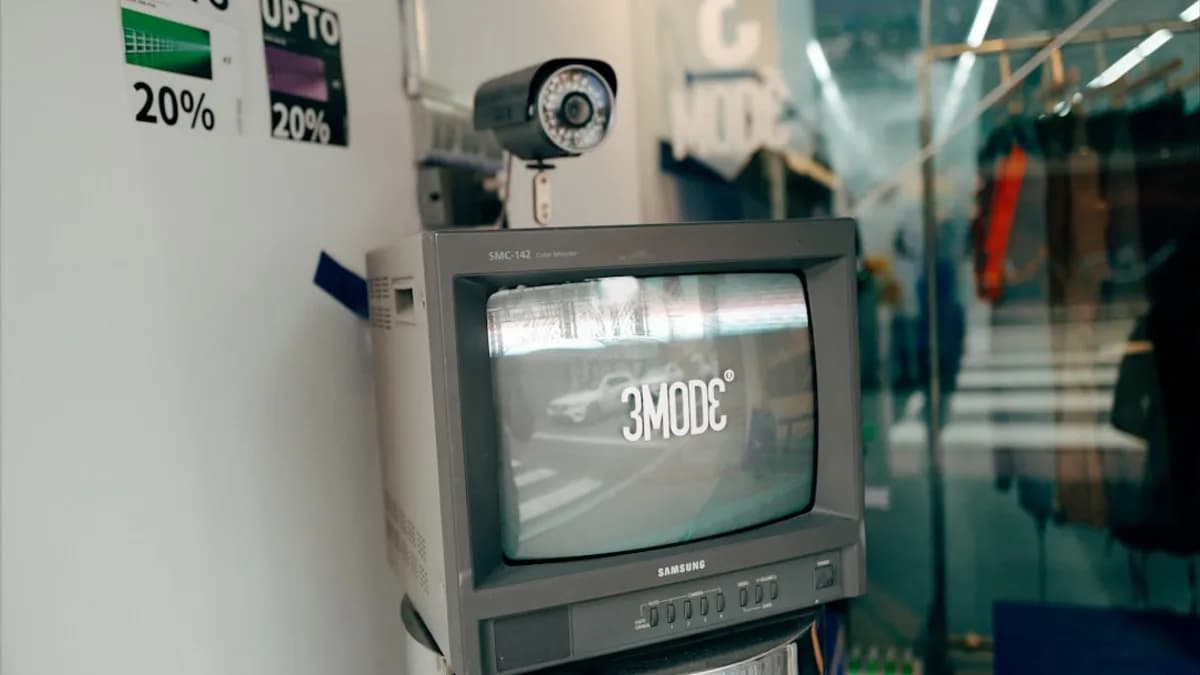
A wave of innocent shoppers is being publicly shamed and ejected from stores after facial recognition systems misidentify them as shoplifters or banned customers. Retailers are betting big on AI-driven surveillance to curb theft, but the cost of false positives is mounting. According to The Guardian Tech, misidentified customers are often given no recourse, left scrambling to clear their names after being confronted and escorted out in front of other shoppers.
Retail chains like Home Bargains, Tesco, and Marks & Spencer have quietly rolled out live facial recognition in hundreds of UK stores, hoping to cut losses from what the British Retail Consortium estimated at £1.7 billion in theft last year. AI promises real-time alerts when a flagged individual enters the premises, but in practice, the technology sometimes fails to distinguish between a known shoplifter and a law-abiding customer whose face happens to resemble someone on the store’s watchlist.
For those wrongly accused, the consequences are severe and immediate: public humiliation, loss of access to shops, and a digital "scarlet letter" that can persist across multiple retailers. There is no clear path to dispute these verdicts or erase mistaken records. The stakes are rising as retailers double down, and oversight is lagging. Shoppers now face a stark trade-off: convenience and security versus the risk of being branded guilty with no way to prove innocence.
How Does Live Facial Recognition Technology Identify Individuals in Real Time?
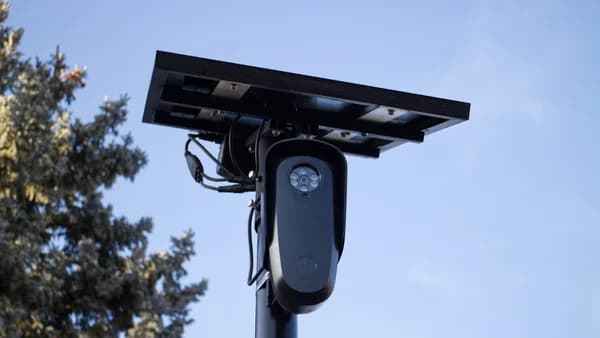
Live facial recognition systems scan faces as customers enter a store, capturing images with discreet HD cameras. The software analyzes key facial features—distance between eyes, jawline, nose shape—and translates them into a mathematical vector. This vector is compared against a database of flagged individuals, which may include shoplifters, people previously banned from the premises, or even those wanted by police.
When the system detects a match above a certain confidence threshold (usually 70-90%), it instantly alerts security staff. The process can take less than two seconds, enabling real-time intervention. Retailers typically use commercial platforms like Facewatch or NEC NeoFace, which promise high accuracy rates but rarely publish independent validation studies. Data sources vary: some stores build their own watchlists, others buy access to larger crime databases, and police forces sometimes share data with retailers under partnership agreements.
But accuracy is far from guaranteed. Factors like poor lighting, camera angles, facial hair changes, and masks can degrade results. A 2025 report from the UK’s Information Commissioner’s Office found false positive rates in retail deployments ranged from 0.1% to 6%—meaning that out of 10,000 customers, up to 600 could be incorrectly flagged. Minority groups are especially vulnerable: an MIT study showed commercial systems misidentified Black women at rates up to 35% higher than white men. Despite these risks, live facial recognition is spreading fast. Over a dozen UK police forces now use it during high-traffic events or in public spaces, and retailers have installed it in more than 350 stores nationwide.
What Are the Main Risks and Ethical Concerns Surrounding Facial Recognition in Retail?
The shift from CCTV to real-time AI surveillance turns shopping into a data minefield. Every visit can be logged, analyzed, and cross-referenced against criminal records. Privacy advocates warn that this amounts to mass surveillance, with millions of faces processed and stored without explicit consent. In a 2026 survey, 64% of UK adults said they were unaware their faces might be scanned when shopping.
Bias and discrimination pose deeper threats. Facial recognition systems struggle with accuracy across skin tones and facial structures. This technical gap morphs into social injustice when minority customers are more likely to be falsely accused and publicly shamed. The psychological fallout is real: mental health charities report rising cases of anxiety and depression linked to wrongful shoplifting accusations. For some, a single false flag leads to avoidance of entire retail chains, social stigma, and even difficulty securing employment if records are shared.
Watchdog groups, including Big Brother Watch and the Information Commissioner’s Office, warn that regulation and oversight lag years behind deployment. Retailers are not legally required to inform customers or offer appeal processes. Unlike credit reporting, there’s no statutory mechanism to correct errors or clear one’s name. The lack of transparency means that mistakes can cascade—one misidentification can trigger bans across multiple stores using shared databases.
How Are False Identifications Handled and Why Do Victims Struggle to Clear Their Names?
When a shopper is flagged, staff typically approach and ask the individual to leave, sometimes without explanation. The process is swift, leaving little room for the accused to contest or even understand the accusation. Security staff rely on the AI alert, rarely questioning its validity. Documentation is minimal: few stores retain video evidence or detailed logs of the encounter, making later investigation nearly impossible.
Victims who attempt to challenge the verdict hit a wall. Stores generally refuse to disclose the source watchlist or the technical details of the match, citing data protection and security. The appeals process is either non-existent or handled by customer service teams with no authority to investigate. Accessing the underlying facial recognition data is nearly impossible; GDPR requests are often denied on grounds that biometric data is “criminal intelligence.” Even if a customer does manage to contest the ban, there’s often no mechanism for removing their face from shared databases.
Ian Clayton’s experience in Home Bargains highlights the Kafkaesque reality. He was ordered to leave the store, stunned and humiliated, and given no explanation. When he attempted to clear his name, he was met with silence. The store refused to provide evidence or details, and there was no formal appeal process. Clayton’s ordeal persisted for weeks, with the possibility that other retailers using the same system might flag him again. This lack of recourse is not an outlier; hundreds of shoppers have reported similar experiences, according to consumer watchdog complaints filed since 2024.
What Steps Are Being Taken to Improve Facial Recognition Oversight and Protect Innocent Shoppers?
Pressure is mounting for reform. Privacy watchdogs and consumer advocates are demanding greater transparency and legal safeguards. The Information Commissioner’s Office is pushing for mandatory notification—stores would need to post clear signage and inform customers when facial recognition is in use. Proposed regulations include standardized appeal procedures, independent audits of system accuracy, and statutory rights to access and correct biometric data.
Technologically, vendors are racing to improve accuracy. New models trained on more diverse datasets are reducing false positives by up to 30%, though errors persist. Some retailers are piloting “human-in-the-loop” systems, where flagged matches must be reviewed by a trained staff member before action is taken. This hybrid approach, while slower, has cut wrongful bans by half in trial runs.
The most promising proposals call for centralized oversight: a national registry of facial recognition deployments, mandatory reporting of false positives, and an ombudsman for biometric disputes. Advocates argue that security must not come at the expense of individual rights. The challenge will be balancing rapid adoption against the slow grind of legislative change. For now, shoppers should stay alert—if you’re wrongly flagged, document the incident, request access to your data, and push for transparency. The fight for fairness in AI-driven retail is just getting started.
Impact Analysis
- Facial recognition errors are causing innocent shoppers to be publicly shamed and barred from stores.
- Retailers' reliance on AI surveillance is increasing, but oversight and recourse for mistakes are lacking.
- The technology risks creating lasting digital reputations for consumers without clear ways to correct errors.