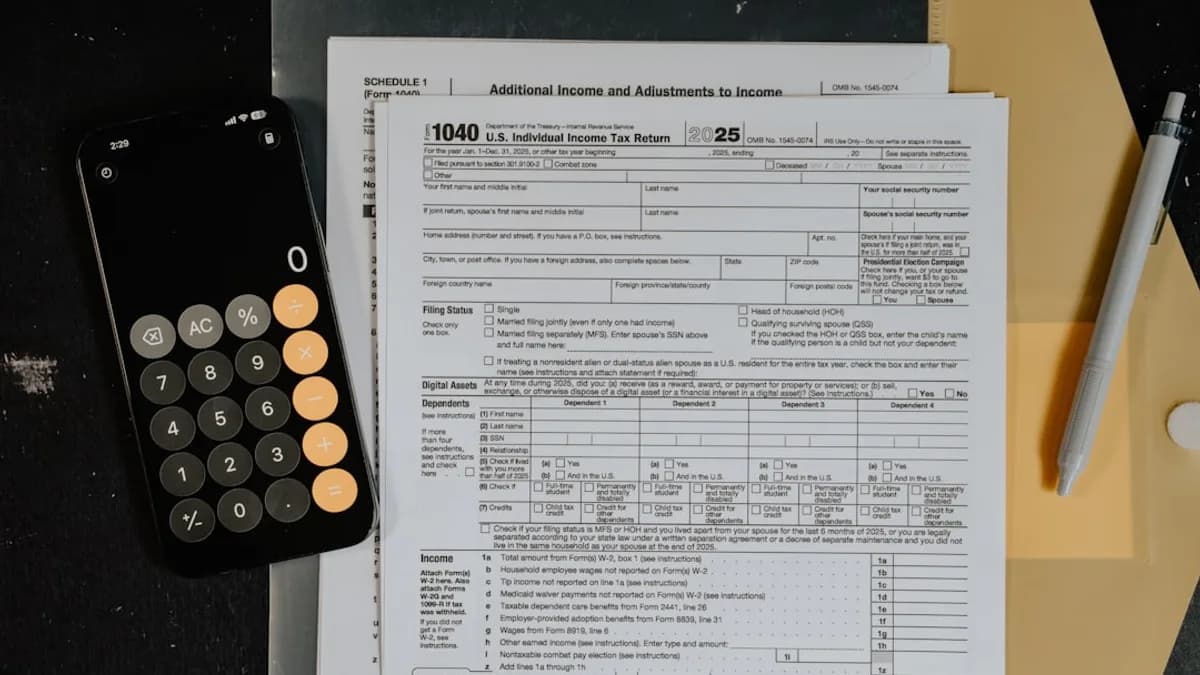
Introduction to Kraken’s 2025 Crypto Tax Reporting Surge
Kraken sent in 56 million crypto tax forms for 2025. That’s a huge jump, and about one-third of those forms were for transactions under $1 [Source: CoinDesk]. This happened because there’s no de minimis exemption for crypto payments or staking rewards. In plain English, even tiny trades and rewards must be reported to the IRS. That means a lot more paperwork for people who use crypto often. If you got paid in crypto or earned staking rewards—even just a few cents—you have to tell the IRS. This rule makes life harder for everyday users, traders, and investors who are trying to stay on top of their tax duties.
Understanding Crypto Tax Reporting Requirements in 2025
The IRS treats crypto like property, not cash. So, every time you sell, trade, or spend crypto—even for coffee—you have to report it. There’s no minimum limit. If you bought a soda with Bitcoin and made a tiny profit, you need to file a tax form for that transaction. The IRS calls this “no de minimis exemption.” In the past, folks hoped small crypto trades wouldn’t need reporting, but that’s not true.
Staking rewards add another layer. When you stake crypto, you sometimes earn rewards, like interest. The IRS says you must report these rewards when you get them, not when you cash out [Source: CoinDesk]. So, if you earn tiny fractions of tokens over the year, each one counts for taxes. This creates dozens, hundreds, or even thousands of little taxable events.
All sorts of transactions trigger reporting. Buying, selling, trading, spending, gifting, or earning crypto through staking or mining are all covered. Even micro-transactions—think cents or fractions of coins—need to be tracked.
For regular users, this means more work. If you use crypto to pay for games, apps, or snacks, each transaction creates a tax form. If you stake coins and get rewards every day, that’s another pile of forms. Compared to stocks, where small trades sometimes slip through, crypto users face a much bigger reporting job. Kraken’s massive filing numbers show just how many people are caught up in this rule.
Step-by-Step Guide to Managing High Volume Crypto Tax Forms
With so many forms to handle, you need a plan. First, start by tracking every crypto transaction all year long. Don’t wait for tax season. Use a spreadsheet or a notebook to write down every buy, sell, spend, or reward. For example, jot down the date, amount, type of coin, and value in dollars at the time.
Next, use crypto tax software. Tools like CoinTracker, Koinly, or TaxBit can help. They connect to your wallets and exchanges, pull in your transactions, and create the tax forms for you. This makes reporting faster and cuts down on mistakes. Most software can handle micro-transactions and staking rewards, so you don’t have to enter each one by hand.
Try to consolidate small transactions when you can. If you make lots of tiny trades or payments, see if you can batch them. For example, instead of spending crypto daily, consider making fewer, bigger payments. This reduces the number of taxable events and makes your records easier to manage. But always check with your tax advisor to make sure this works for your situation.
Keep all records safe. Store your transaction history, wallet addresses, and receipts in one place. If the IRS asks questions, you’ll be ready. Make backups of your records, both digital and paper. Some people use cloud storage, others use USB drives. The point is to have a secure, organized system.
If you run into trouble, reach out for help. Many accountants now know how to handle crypto taxes. They can check your work and spot mistakes before you file. If your situation is complex—like earning staking rewards every day—an expert can save you time and money.
Strategies to Minimize Reporting Burden and Avoid Errors
Dealing with lots of tiny transactions is tough. The trick is to group micro-transactions as much as possible. Some tax software lets you sort or tag similar trades, making them easier to review. Always double-check that you’re not missing anything.
Professional advice is key if you earn staking rewards or get paid in crypto. Accountants with crypto experience can spot errors and help you follow the rules. They know the IRS’s latest guidance and can help you avoid penalties. If you underreport or make mistakes, the IRS can fine you. Keeping clean records and using smart tools lowers your risk.
There’s talk in the industry about changing the rules. Many people want a de minimis exemption for crypto—meaning small trades wouldn’t need reporting. You can join advocacy groups or write to lawmakers if you support this change. If enough people push for new rules, the IRS may listen.
Until then, focus on accuracy. Don’t guess on values or dates. Use software, check with experts, and stay organized. If you make a mistake, fix it as soon as you can. Honest errors can sometimes be fixed without penalty, but hiding trades or rewards will get you in trouble.
Future Outlook: Preparing for Evolving Crypto Tax Regulations
Crypto tax rules are likely to change. Lawmakers and the IRS know people are struggling with too much paperwork. Some countries, like the UK, have higher thresholds for reporting small crypto trades. In the U.S., groups are pushing for a de minimis exemption and clearer rules for staking rewards.
Stay updated with IRS alerts, crypto news sites, and tax forums. Subscribe to newsletters from tax software providers. When new rules come out, software and accountants will update their systems, so you’ll be ready.
Plan ahead. If you’re a trader or investor, think about how future rules could affect you. Maybe you’ll make fewer trades, or stake differently. Keep your records clean and follow best practices. Join online communities for support. Reddit, Discord, and crypto tax blogs are good places to learn and ask questions.
Keeping up with changes will help you avoid mistakes and save money. If reporting gets easier, you’ll be ready to take advantage. If rules get stricter, your records will protect you.
Conclusion: Mastering Crypto Tax Reporting Amid Growing Complexity
Kraken’s 56 million tax forms highlight how tough crypto reporting has become, especially with no exemption for small transactions [Source: CoinDesk]. Every payment, trade, and staking reward—even under $1—needs a form. This means more work for crypto users everywhere.
Staying organized, using tax software, and getting expert advice are your best moves. Smart record-keeping makes tax season easier and cuts down on stress. Grouping micro-transactions and planning ahead can help you avoid errors and penalties.
The crypto tax world is changing fast. By keeping up with new rules and leaning on technology, you’ll stay ahead. If you simplify your reporting now, you’ll be ready for whatever comes next. The payoff? Fewer headaches, more time saved, and peace of mind as crypto keeps growing.
⚠️ Disclaimer: This article is for informational purposes only and does not constitute financial advice. Always do your own research before making investment decisions.
Why It Matters
- Every crypto transaction, no matter how small, must be reported to the IRS, increasing paperwork for users.
- One-third of Kraken’s 56 million tax forms were for transactions under $1, highlighting the burden on everyday users.
- The lack of a reporting threshold could complicate compliance and tax filing for millions of crypto users.