Dorsey’s Bet: Turning Bitcoin Into Everyday Money
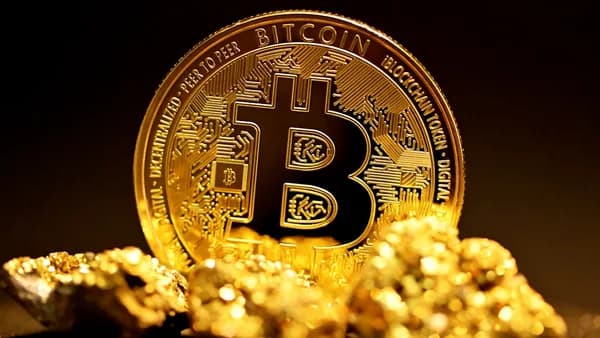
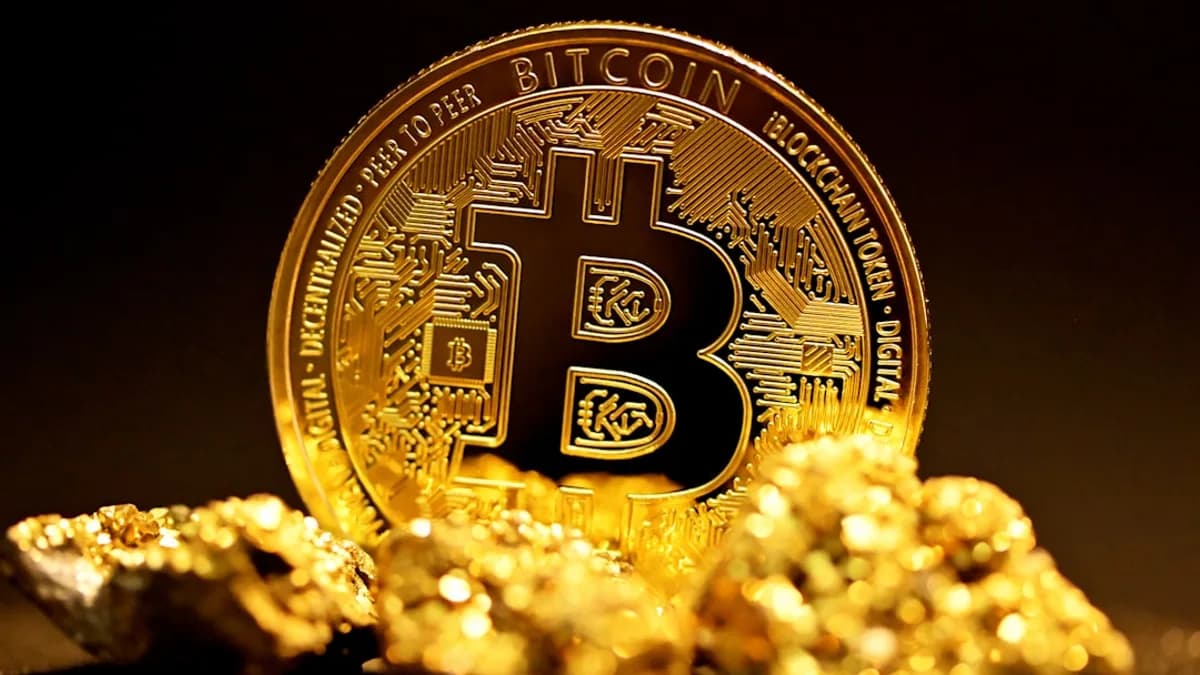
Jack Dorsey isn’t just talking about Bitcoin as a speculative asset. Through Block, he’s trying to make Satoshi’s invention as usable for buying coffee as it is for storing value. The ambition: push Bitcoin into daily transactions, not just long-term wallets. That’s a fundamental shift, and if Dorsey succeeds, it could redraw the lines of both the crypto and payments industries according to CryptoBriefing.
What drives this push? Dorsey’s public statements and Block’s strategy suggest a belief that Bitcoin’s true potential lies in mass adoption—not just as “digital gold,” but as universal digital cash. The problem: Bitcoin today is clunky for payments. Fees spike during peak times, transaction speeds lag behind credit cards, and usability for the average consumer is lacking. Block’s initiatives aim to change this equation, working on products and infrastructure that could smooth out these pain points and make Bitcoin spendable in the real world.
What We Know: Block’s Position and the Adoption Challenge
The source makes it clear: Block’s initiatives are designed to boost Bitcoin’s role in daily commerce. But hard numbers are missing. We don’t know how much of Block’s current user base actually interacts with Bitcoin, nor what percentage of its transaction volume involves crypto. The adoption gap is obvious—Bitcoin remains a tiny fraction of global retail and online payments.
If Block can bridge this gap, the market potential is significant. Even a modest increase in Bitcoin payment adoption across Block’s platforms could spark network effects, as more merchants and consumers witness real-world utility instead of pure price speculation. But without concrete adoption figures or growth projections, the scale remains speculative.
Why It Matters: Regulatory Hurdles Could Decide the Outcome
Block’s Bitcoin push isn’t happening in a vacuum. The biggest obstacle: regulation. Bitcoin payments face an array of legal questions in major markets, from KYC/AML requirements to tax treatment and consumer protection. The source flags regulatory hurdles as a central risk to Dorsey’s vision.
Block will need to design compliance frameworks robust enough to satisfy regulators without undermining the core benefits of Bitcoin—open access, privacy, and censorship resistance. If regulators clamp down, mainstream adoption could stall. If Block finds a path through the legal thicket, it might set a precedent that others follow.
Stakeholder Reactions: Divided, but Watching Closely
Bitcoin advocates will likely cheer Dorsey’s efforts to take Bitcoin beyond investment portfolios. For many, everyday utility is the endgame. Traditional financial institutions, meanwhile, may see this as both a threat and an opportunity—depending on whether they can participate in the new payment flows or risk being cut out.
Merchants and consumers are harder to predict. Some will be drawn by the promise of lower fees or new customers. Others may worry about volatility, tax implications, or the learning curve. The crypto community itself is divided: some want Bitcoin as spendable cash, others prefer its store-of-value status. Block’s moves could tip the balance.
Historical Context: Payment Innovation Is Always a Fight
Payment technologies rarely go mainstream overnight. Credit cards took decades to displace cash, battling fraud, infrastructure gaps, and consumer skepticism. Mobile payments faced similar headwinds. Bitcoin’s journey mirrors these struggles, but with the added baggage of regulatory scrutiny and a more complex user experience.
Block seems to be betting that a combination of technical fixes and user-friendly design can accelerate Bitcoin’s climb from niche to norm. The company’s approach—integrating Bitcoin into existing payment flows rather than building from scratch—could echo the mobile wallet playbook, where success depended on making new tech invisible to users.
What Remains Unclear: Execution, Timing, and Market Appetite
The big unknowns overshadow the vision. The source doesn’t detail what specific Block initiatives are launching, how they’ll overcome Bitcoin’s technical hurdles, or what the regulatory roadmap looks like. It’s also unclear how fast users and merchants will embrace Bitcoin payments, or whether price volatility will scare them off.
Without numbers on pilot programs, adoption rates, or regulatory green lights, it’s impossible to assess short-term impact. The long-term stakes, though, are obvious: if Block cracks the code, the payments industry may never look the same.
What to Watch: Signals That Will Prove Dorsey Right—or Wrong
All eyes should be on execution. Key signals to watch: any reported growth in Bitcoin transaction volume facilitated by Block, new product launches targeting everyday payments, and regulatory feedback—positive or negative—on Block’s approach. Technological advancements like faster settlement or lower fees would also boost the odds.
If Block announces partnerships with major retailers or reveals evidence of consumer traction, the thesis gets stronger. On the other hand, regulatory setbacks or tepid adoption could signal that Bitcoin’s leap from store of value to daily currency will take longer—or might not happen at all.
Bottom line: the vision is bold, but the path is unwritten. Dorsey’s bet could either redefine money or reinforce Bitcoin’s niche as a digital asset for the few. The next moves from Block, and the response from regulators and users, will tell the story.
Disclaimer: This MLXIO analysis is for informational and educational purposes only. It is not financial, investment, legal, tax, or professional advice. It does not provide buy, sell, hold, price-target, portfolio, or personalized recommendations. Verify information independently and consult qualified professionals before making decisions.
Why It Matters
- Jack Dorsey's push to make Bitcoin usable for everyday transactions could fundamentally reshape both the payments and crypto industries.
- If Block succeeds, Bitcoin could move beyond being a speculative asset and become a mainstream digital cash option for consumers and merchants.
- Regulatory challenges and adoption hurdles will determine whether Bitcoin can truly compete with traditional payment methods in daily commerce.