Why Ethereum Stands Out as the Ultimate Generational Wealth Opportunity in Crypto
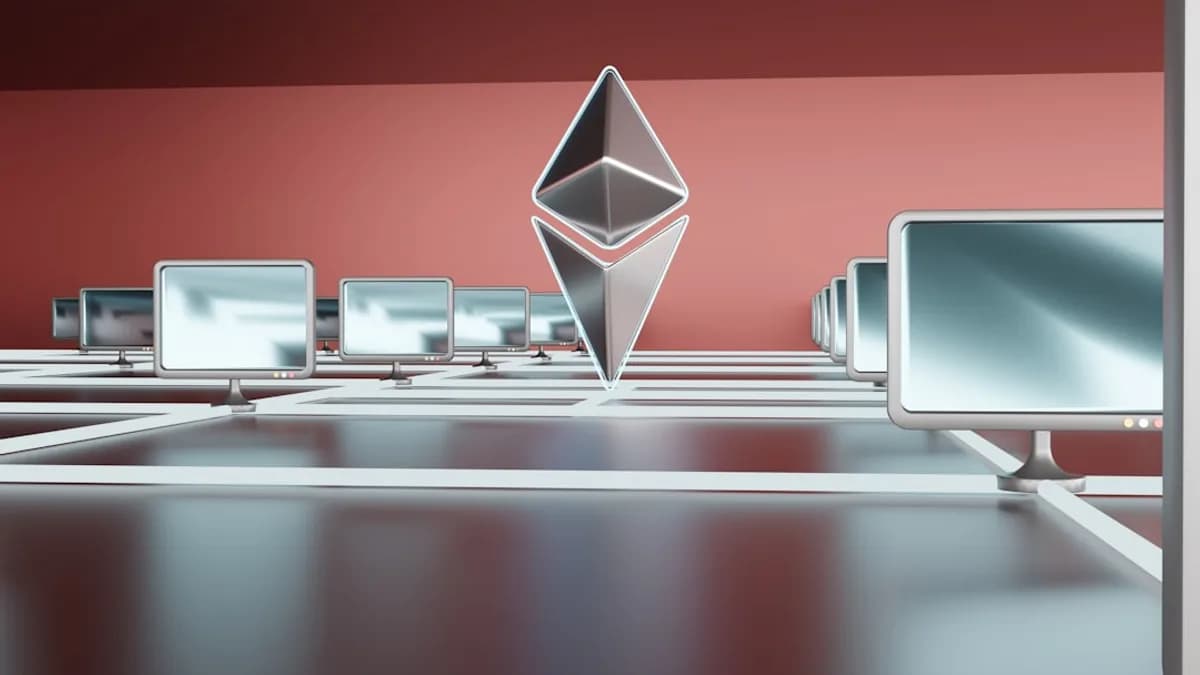
Ethereum isn’t just another altcoin—it’s the backbone of nearly every meaningful experiment in decentralized technology since 2015. While Bitcoin built the case for digital gold, Ethereum wrote the rulebook for programmable money, spawning everything from decentralized finance to entire digital economies. Its smart contracts power thousands of applications and billions of dollars in value locked, making it the only crypto asset with a real claim to “generational wealth” status, according to Yahoo Finance.
Since launch, Ethereum has tracked a path of relentless innovation: the ERC-20 standard turned token creation into a weekend project, NFTs became a cultural phenomenon, and DeFi made borrowing and lending borderless. No other blockchain has attracted as many developers—over 5,000 active each month—or as much capital. It’s not just the tech: Ethereum’s network effects are now self-reinforcing, granting it a moat that no competitor has yet bridged. When you look past price charts and Twitter hype, Ethereum is the only platform that consistently delivers real-world crypto use cases at scale.
Real-World Applications Driving Ethereum's Value Beyond Speculation
Ethereum’s value isn’t propped up by hope—it’s built on usage. DeFi alone accounts for over $60 billion in total value locked on Ethereum as of June 2024, dwarfing every rival chain. Uniswap, the leading decentralized exchange, routinely processes trading volumes above $1 billion per day. That’s not speculative fever; it’s genuine economic activity, displacing traditional financial intermediaries and creating new asset classes overnight.
NFTs, once dismissed as a fad, have found lasting utility on Ethereum. From art provenance to concert tickets and digital identity, Ethereum’s ERC-721 and ERC-1155 standards underpin most NFT markets. In 2021, OpenSea’s cumulative trading volume crossed $10 billion—nearly all of it on Ethereum. Today, brands like Nike and Adidas mint loyalty tokens and digital collectibles on Ethereum to engage millions of users, turning the blockchain into a direct-to-consumer channel.
Enterprises aren’t sitting out, either. Microsoft, JPMorgan, and EY all build on Ethereum, piloting supply chain transparency, automated settlements, and privacy-preserving audits. The Baseline Protocol, adopted by Coca-Cola bottlers, uses Ethereum’s mainnet to coordinate business processes without exposing sensitive data. This isn’t vaporware—these are Fortune 500 companies betting real money on Ethereum to cut inefficiency and fraud.
A developer community of over 500,000 and thousands of GitHub repos keep the flywheel spinning. Every new protocol, from rollups to zero-knowledge proofs, launches on Ethereum first because that’s where the users—and the money—are. That network advantage compounds over time, making Ethereum the default platform for blockchain innovation.
Challenges Ethereum Faces and How They Impact Its Wealth-Building Potential
Ethereum’s promise hasn’t come without pain. In 2021, average gas fees spiked over $60 per transaction during NFT booms, pricing out smaller users and driving developers to cheaper chains. Scalability bottlenecks have been Ethereum’s Achilles’ heel, hampering its “world computer” ambitions and inviting rivals like Solana, Avalanche, and Polygon to eat its lunch.
But the chain isn’t standing still. The Ethereum 2.0 upgrades—now partially deployed as the proof-of-stake Beacon Chain—have slashed energy consumption by 99.95%, addressed environmental criticisms, and laid groundwork for rollup-centric scaling. Rollups like Arbitrum and Optimism already handle millions of transactions weekly at a fraction of mainnet costs, with more throughput promised as Danksharding and proto-danksharding come online.
Regulatory risk remains a wild card. The SEC’s stance on ETH’s security status vacillates, and new rules could upend staking or DeFi. Yet Ethereum’s decentralization—over 900,000 validators as of mid-2024—gives it resilience that few competitors can match. The platform’s open-source ethos means it can adapt quickly, as seen when it coordinated the largest protocol upgrade in history with The Merge.
Counterarguments: Why Some Investors Are Skeptical About Ethereum's Long-Term Dominance
Skeptics point to Ethereum’s volatility—down over 80% in past bear cycles—as a reason for caution. Institutional allocators worry that the next L1 breakthrough could dethrone Ethereum just as MySpace lost to Facebook. Solana, for example, boasts faster settlement and cheaper fees, while blockchains like Aptos and Sui tout novel architectures that could attract the next generation of developers.
The risk of protocol forks or governance disputes also lingers. Ethereum Classic, born of the 2016 DAO hack, still exists as a cautionary tale. A major network split could fracture value and erode trust. And while Ethereum’s energy transition was cheered, some environmental advocates argue that proof-of-stake centralizes power among wealthy early adopters.
There’s also the view that Bitcoin—by virtue of its fixed supply and institutional adoption—remains the truest generational wealth play in crypto. Others see more upside in venture-stage tokens, or even argue that traditional equities and real estate offer less risk for multi-decade horizons.
But the core argument for Ethereum is its adaptability. It’s the only major chain that’s repeatedly reinvented itself to meet user demand, from DeFi to NFTs to staking. That track record beats theoretical risks every time.
Seizing the Moment: How Investors Can Position Themselves to Benefit from Ethereum’s Growth
If you want to build generational wealth in crypto, treat Ethereum as you would an index fund: accumulate gradually, ignore short-term noise, and keep your position sized to your risk tolerance. Dollar-cost averaging smooths out volatility and avoids the pitfall of buying tops.
Diversification still matters—no single bet should dominate your portfolio—so pair ETH exposure with Bitcoin and a handful of high-conviction altcoins or stablecoins. But don’t sleep on Ethereum’s network: stay plugged into core development updates, watch for regulatory shifts, and track adoption metrics like active addresses and value locked.
Above all, resist the urge to trade headlines. Ethereum’s true value will only be visible in the rear-view mirror, when today’s experiments become tomorrow’s infrastructure. If you think in decades, not months, Ethereum is the only crypto asset with a plausible shot at building lasting intergenerational wealth.
⚠️ Disclaimer: This article is for informational purposes only and does not constitute financial advice. Always do your own research before making investment decisions.
Why It Matters
- Ethereum powers the majority of real-world crypto applications, making it central to decentralized finance and digital economies.
- Its unmatched developer activity and network effects position Ethereum as the most durable blockchain platform for generational wealth.
- Real-world economic activity on Ethereum, including billions in DeFi and NFTs, demonstrates value beyond speculation.