Introduction to the Hormuz Blockade and Emerging Crypto Scams
Scammers are tricking ships stuck at the Strait of Hormuz by promising “safe passage” if they pay in bitcoin or USDT. At least one ship may have sent money to these fraudsters, thinking they were dealing with real Iranian authorities [Source: CoinDesk]. Marisks, a maritime risk company, spotted the scam and quickly warned the shipping community.
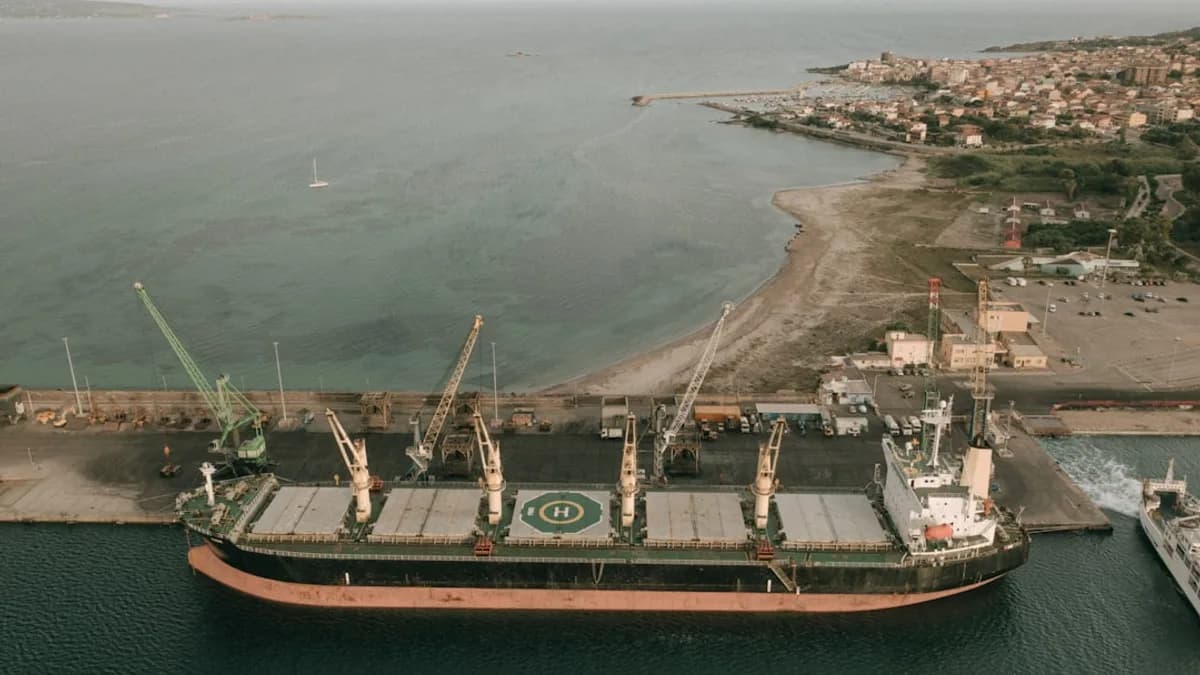
The Hormuz blockade has stranded dozens of vessels in one of the world’s busiest sea routes. This waterway connects the Persian Gulf to global energy markets, making it a frequent hotspot during geopolitical tensions. With ships waiting for clearance and worried crews, scammers saw an opening. They moved fast, using new tricks to target people desperate for a way out. This scam adds another risk for shipping companies already facing threats from blockades and political standoffs.
How Crypto Scammers Exploit Maritime Blockades with Fake Safe Passage Offers
Fraudsters are pretending to be Iranian officials and telling ship captains they can get through the blockade—if they pay with cryptocurrencies like bitcoin or USDT. The scammers reach out using email, satellite phone, and encrypted messaging apps. They often copy real government documents and use official-looking seals. Some even speak Farsi or English well enough to sound convincing.
They ask for a “facilitation fee,” sometimes as much as $100,000, to be sent to a crypto wallet. The scammers say the fee will “guarantee” a fast and safe passage through the Strait of Hormuz, playing on the anxiety of crew and owners who face huge losses for every day stuck at sea.
One ship, flagged by Marisks, may have paid the scammers after getting what looked like a legal clearance notice. The crew didn’t realize that the sender wasn’t the real Iranian port authority. The scam worked because the blockade made regular communication with officials harder, and crews were desperate for answers [Source: CoinDesk].
These crooks use tricks like spoofed email addresses and fake phone numbers. Sometimes, they use social media or maritime chat forums to find targets. They can even hack into ship tracking systems to get contact details. Once they hook a victim, they push for fast payment, warning about “imminent inspections” or fines. This method is new, but it builds on old scams where criminals pretend to be port agents or customs officers.
Maritime scams aren’t new, but the use of crypto makes it harder to track stolen money. Once a payment is sent, it’s almost impossible to get it back or find out who got it. In the chaos of a blockade, with crews stretched thin and owners under pressure, even experienced operators can fall for these schemes.
Marisks’ Role in Detecting and Warning Against Maritime Crypto Fraud
Marisks is a maritime risk management company that spots threats like piracy, fraud, and cyberattacks. They use real-time data, ship tracking, and open-source intelligence to flag new dangers. When Marisks saw unusual messages sent to ships near Hormuz, they dug deeper.
The company found out that scammers were posing as Iranian officials and asking for crypto payments. Marisks sent alerts to ship operators and posted warnings on industry forums. They explained how the scam works, showed examples of fake documents, and listed phone numbers used by the fraudsters.
Quick alerts are key for ships in risky places. Crews often don’t have time to double-check every offer, so Marisks’ warnings help them spot scams before it’s too late. Marisks also shared advice: never send money to unknown crypto wallets, always call trusted port agents to verify requests, and use secure channels for important messages.
Their work shows why risk intelligence is important for global shipping. When threats spread fast, so must the warnings. Marisks says operators should train crews to spot scams and use strong passwords for ship systems. They also urge reporting all suspicious contacts to authorities.
Implications of Crypto Scams on Maritime Security and Geopolitical Risks
These scams make maritime security even tougher during blockades or conflicts. When ships can’t trust who contacts them, they face new risks beyond pirates and armed groups. The financial hit from paying scammers can be huge—one lost payment can mean tens of thousands gone, plus delays and extra costs.
Shipping companies are already under pressure from insurance hikes and route changes. Now, crypto scams add another layer. If crews get tricked, companies may lose money, face legal trouble, and damage their reputation. Some insurers might refuse to cover losses caused by fraud, making things worse.
The use of cryptocurrencies in scams is rising. Crypto makes it easier for criminals to hide money and skip borders. This is a problem for maritime law enforcement. Unlike traditional bank transfers, crypto payments are hard to trace and almost impossible to reverse. Criminals can stash funds in wallets anywhere in the world and disappear.
The Hormuz scam shows weak spots in maritime communication. Ships often rely on email, satellite phones, or unsecured messaging apps. During blockades, regular checks with port authorities can break down. Scammers use this confusion and lack of quick verification to their advantage.
This scam is part of a bigger trend: cybercriminals are moving into maritime fraud. In the past, pirates attacked ships physically. Now, they use digital tricks to steal money. The rise in crypto scams among ships follows similar moves in other industries, like supply chain hacking and fake invoices.
Governments and maritime groups are starting to track crypto-related crimes. But the fast spread of scams means shipping companies must be alert. The Hormuz blockade has made it clear: old ways of checking documents and payments aren’t enough. The industry must update its security and teach crews about digital threats.
Preventive Measures and Best Practices for Ships Navigating High-Risk Areas
Ship operators should be careful when dealing with any payment request, especially those asking for crypto. Always check the sender’s identity using trusted contacts, like port agents or embassy staff. Don’t rely on email alone—call phone numbers you know are real, not ones sent in suspicious messages.
Crew training is key. Teach crews how scams work and what warning signs look like. Simple steps, like checking for spelling mistakes or odd email addresses, can help spot fraud. Use strong passwords for all ship systems and change them often.
Trusted maritime risk intelligence services, like Marisks, give real-time alerts. Subscribe to their updates and share them with your team. If you get a strange payment request, report it to company security and local authorities. Keep records of all contacts, just in case.
Cybersecurity isn’t just for office computers. Ships need secure communication tools. Update your software and check for weak spots in satellite phones or messaging apps. Make sure only trusted crew can access sensitive systems.
Conclusion: Navigating the Intersection of Maritime Conflict and Emerging Crypto Threats
The scam targeting ships at the Strait of Hormuz shows how digital tricks can make a bad situation worse. With blockades already causing delays and stress, scammers use crypto payments to steal money from desperate crews [Source: CoinDesk]. This scam is a warning: as maritime conflicts grow, so do digital threats.
Shipping companies, risk managers, and crews must work together. Stay alert, use trusted channels, and teach teams about new scams. The next crisis may bring even smarter fraudsters, so the industry must keep updating security and sharing alerts.
Moving forward, expect more scams that mix old tricks with new tech. Blockades and geopolitical standoffs will keep attracting criminals. The best defense is awareness, strong security, and fast communication. Ships that prepare today will be safer tomorrow.
⚠️ Disclaimer: This article is for informational purposes only and does not constitute financial advice. Always do your own research before making investment decisions.
Why It Matters
- The scam exposes shipping companies to significant financial losses during geopolitical crises.
- It highlights the growing use of cryptocurrencies for fraud in high-stakes maritime situations.
- Awareness of such scams can help crews and owners avoid falling victim in future blockades.