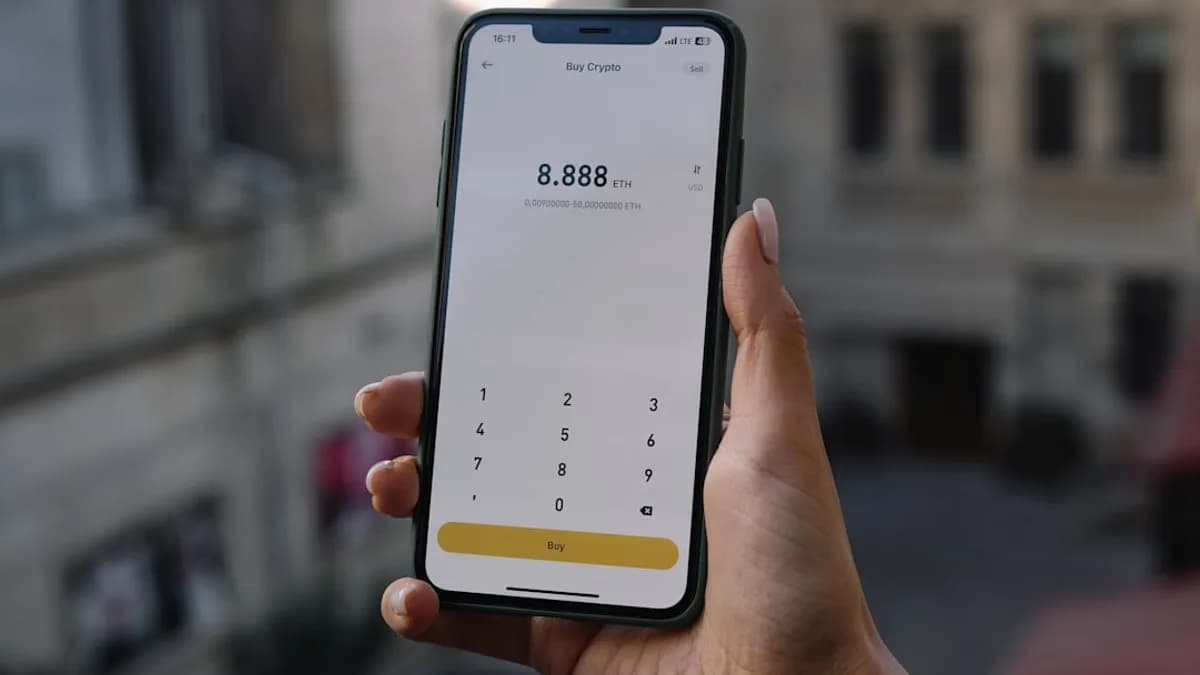
Why BitMNR’s $238M Ethereum Purchase Defies Geopolitical Risks
BitMNR didn’t flinch at the US-Iran flashpoint — it doubled down, pouring $238 million into Ethereum as military rhetoric escalated. In past crises, institutional players hedged with cash or gold, not crypto. But this time, the move signals that the risk calculus is changing fast. The buy landed just as oil spiked and global equities wobbled on Iran’s threats and US sanctions, a moment when most funds would tighten risk controls. BitMNR’s timing wasn’t accidental. It’s a statement: Ethereum is now a contender for “flight-to-safety” allocations.
Crypto markets typically swing wildly during geopolitical shocks. Bitcoin, for example, dropped 15% after Russia invaded Ukraine in 2022, only to rebound weeks later as capital sought alternatives to sanctioned assets. Ethereum, less volatile but still exposed, saw similar patterns. Investors often feared regulatory clampdowns, network disruptions, or liquidity crunches. Yet BitMNR’s purchase — one of the largest single ETH acquisitions this year — was executed as tensions peaked, not eased. That’s a sharp break from tradition, suggesting a new kind of institutional trust in crypto’s durability.
This isn’t just about chasing yield. BitMNR’s move — as reported by CryptoBriefing — plants a flag: major funds are betting that Ethereum’s decentralized structure can withstand shocks that rattle fiat and commodities. If institutions continue to act on this thesis, the safe-haven narrative could finally stick.
Crunching the Numbers: What BitMNR’s Ethereum Buy Reveals About Market Trends
BitMNR’s $238 million buy towers over recent institutional crypto allocations. In Q1 2024, average single-fund purchases of Ethereum hovered around $45 million, according to Glassnode data. The only comparable move this year was BlackRock’s $100 million Bitcoin ETF purchase in March — less than half BitMNR’s ETH bet. The scale isn’t just impressive; it’s strategic, representing roughly 0.07% of Ethereum’s market cap ($342 billion as of June 2024), but nearly 2% of daily trading volume at the time.
Ethereum’s price snapped upward post-buy, surging 6% within 48 hours, from $3,620 to $3,840. Trading volume ballooned by 22% — a spike that dwarfed moves seen after most institutional inflows YTD. Options open interest also climbed, signaling that traders expect new volatility and possibly sustained upward momentum. This contrasts with Bitcoin, which saw net institutional inflows rise only 8% in the same week, versus Ethereum’s 19% jump.
The broader trend is clear: institutional inflows are tilting toward Ethereum, not just Bitcoin. Inflows to ETH-focused funds hit $1.2 billion in May, up 33% month-over-month, while BTC inflows grew just 14%. The BitMNR buy reinforces this pivot, suggesting that institutions may be prioritizing Ethereum’s programmability and DeFi exposure over Bitcoin’s “digital gold” status, especially when geopolitical uncertainty spikes.
Diverse Stakeholder Views on Crypto as a Safe Haven Amid Global Tensions
Institutional investors are split. Some, like BitMNR, treat Ethereum as an “anti-fragile” asset — one that grows stronger when tested. Their thesis? Decentralized networks aren’t subject to sanctions, capital controls, or central bank whims. Crypto analysts, meanwhile, warn that liquidity isn’t infinite. If sanctions hit exchanges or validators, markets could seize up. Still, the BitMNR buy has energized bullish voices, who now argue that large, transparent purchases help legitimize ETH as a hedge.
Tom Lee’s ‘crypto spring’ declaration, made as the BitMNR news broke, is more than marketing. Lee points to accelerating institutional inflows, regulatory clarity (especially post-ETF approvals), and a shift in risk appetite. “Spring” here is not just cyclical optimism; it’s a bet that crypto is maturing into a refuge for capital fleeing geopolitical chaos. Lee’s optimism resonates with traders who’ve watched ETH outperform gold during recent volatility — up 40% YTD versus gold’s 3%.
Geopolitical experts, by contrast, remain skeptical. They argue that crypto’s safe-haven role is unproven, especially if US regulators clamp down on cross-border flows or Iran-related wallets. The 2022 Ukraine crisis saw Bitcoin donations, but also sharp price swings and regulatory threats. For now, evidence tilts toward optimism — BitMNR’s move triggered positive price action and rising inflows. But the debate isn’t settled: the next sanctions round or network attack could test the thesis hard.
Institutional Crypto Adoption in Historical Context: Lessons from Past Crises
History shows that institutions only embrace crypto during crises when alternatives fail. In 2018, during the Turkish lira collapse, local investors bought Bitcoin as a last resort — but global funds stayed on the sidelines. The 2022 Russia-Ukraine war marked the first modest shift: some European hedge funds allocated to BTC and ETH as sanctions hit Russian assets, but most did so cautiously, fearing regulatory backlash.
BitMNR’s current strategy diverges from past moves. Unlike earlier episodes, BitMNR isn’t buying crypto as an “emergency escape hatch,” but as a primary asset. The purchase happened amid rising tensions, not after the dust settled. That’s new. In previous crises, institutions waited for volatility to subside before acting. Now, at least some are willing to buy into the storm — betting that Ethereum can weather not just market risk, but real-world political shocks.
Crypto’s hedge narrative has evolved fast. In 2020, it was mostly retail and rogue traders who saw Bitcoin as a safe haven. By 2023, ETF approvals and custody solutions lured pension funds and asset managers. BitMNR’s move signals another leap: confidence in Ethereum’s resilience, not just Bitcoin’s. If history is any guide, this shift could accelerate — especially if geopolitical instability persists and traditional hedges (gold, Treasuries) deliver lackluster returns.
What BitMNR’s Ethereum Investment Means for Crypto Investors and the Industry
BitMNR’s giant ETH buy isn’t just a headline — it’s a catalyst. For investors, the message is clear: institutional money is willing to treat Ethereum as a core portfolio asset, even when global risks spike. That could spark a wave of copycat buys, especially among funds seeking diversification away from equities and bonds.
The implications for Ethereum’s network are substantial. Increased institutional holdings may drive up staking participation, pushing total staked ETH past the current 22% threshold. This could boost network security and decentralization, but also concentrate governance power among large holders. DeFi protocols may benefit from higher liquidity and more stable collateral, but risk increased regulatory scrutiny as institutions bring compliance demands.
Regulators will watch closely. Large, transparent buys like BitMNR’s are easier to monitor than shadow OTC trades, but they also raise questions about market manipulation and systemic risk. If ETH becomes a mainstream hedge, expect new reporting requirements, expanded KYC rules, and possible caps on institutional holdings. Still, the industry stands to gain: more institutional participation means deeper markets, better price discovery, and improved infrastructure.
Forecasting the Future: How Institutional Moves Could Shape Crypto’s Next Phase
BitMNR’s bold Ethereum bet is a harbinger, not a fluke. As geopolitical tensions mount and traditional hedges underperform, expect more institutions to treat crypto — especially Ethereum — as a safe haven. If inflows continue at current rates, ETH could see its market cap breach $400 billion by Q3 2024, with daily volumes regularly topping $15 billion. That would cement its status as the second pillar of institutional crypto allocation.
Tom Lee’s ‘crypto spring’ thesis isn’t mere hype. The stars are aligning: regulatory clarity, ETF adoption, and rising institutional trust. If Iran-related risks escalate or new sanctions hit, crypto may see another flight-to-safety rally, with Ethereum outperforming Bitcoin. The key risk? Regulatory backlash. If US agencies clamp down on exchange flows or impose new restrictions, momentum could stall. But the most likely scenario is continued institutional accumulation, with Ethereum leading the charge.
For investors, the takeaway is clear: watch institutional flows, not just retail sentiment. Large buys like BitMNR’s will move markets, shape narratives, and draw regulatory attention. The next phase of crypto isn’t just about price — it’s about legitimacy. And legitimacy, for now, means institutional confidence. Those who understand this shift early will be positioned to profit in the new “crypto spring.”
⚠️ Disclaimer: This article is for informational purposes only and does not constitute financial advice. Always do your own research before making investment decisions.
The Bottom Line
- BitMNR’s massive Ethereum purchase signals growing institutional trust in crypto during geopolitical crises.
- Ethereum is emerging as a potential safe-haven asset, challenging traditional hedges like gold and cash.
- Such bold moves could reshape how major funds allocate risk and influence future market stability.