

Introduction to Bitcoin’s Current Stability Amid Geopolitical Turmoil
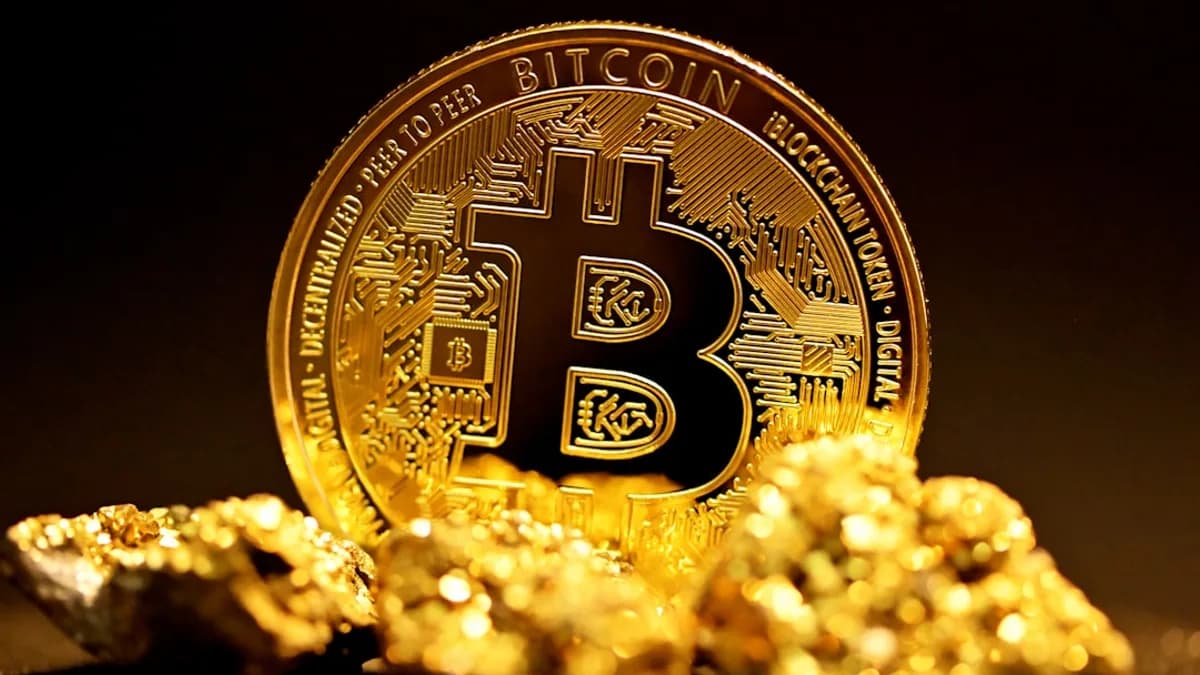
Bitcoin has become less shaky than South Korea’s stock market, even as global tensions rise. This is surprising because Bitcoin is known for wild price swings. But lately, its price has stayed steady while South Korean stocks have bounced up and down [Source: CoinDesk].
Geopolitical trouble, like threats from North Korea or trade worries with China, often hit traditional markets hard. Stocks in South Korea have dropped and surged as investors react to news. Bitcoin, though, hasn’t moved as much. Many people now see it as a safer place to keep their money during uncertain times. In simple terms, Bitcoin is starting to look like a hedge — a shield against risk — when world events make other markets unstable.
Understanding Volatility: What Makes Bitcoin and Stock Markets Fluctuate?
Volatility means how much and how fast prices change. If prices jump up and down a lot, that’s high volatility. If they stay mostly the same, that’s low volatility. Experts use numbers like “standard deviation” or “volatility index” to measure it.
Bitcoin’s price swings are famous. Sometimes it surges, sometimes it crashes. Why? First, market sentiment plays a big part. If many people suddenly buy or sell, prices shoot up or fall. News about government rules, hacks, or big companies adopting Bitcoin also shakes up the price.
Liquidity matters too. Liquidity means how easy it is to buy or sell without moving the price. When fewer people trade, small orders can make prices jump. This happens more in Bitcoin than in big stock markets.
South Korea’s stock market faces different pressures. It reacts quickly to news about North Korea, changes in government, and global trade. Economic reports, like jobs or earnings, also move prices. Some companies, especially tech ones, are sensitive to world events. When North Korea fires missiles or trade talks stall, South Korean stocks often tumble.
Both Bitcoin and stocks are affected by news, but the type of news and how people react is different. Bitcoin is global and decentralized. South Korea’s stock market is tied to local events and big companies. These differences shape how each one moves when trouble hits.
Comparative Analysis: Bitcoin vs. South Korea’s Stock Market Volatility
Numbers show Bitcoin’s price hasn’t changed as much as South Korea’s stocks lately [Source: CoinDesk]. Over the past month, the Kospi, South Korea’s main stock index, saw daily swings up to 3%. Bitcoin, in the same period, mostly moved less than 2% a day. That’s a big shift from the past, when Bitcoin often swung harder than most stocks.
One reason for this is geopolitical events. For example, when North Korea made threats or launched missiles, South Korean stocks dropped fast. Investors got scared and sold their shares. But Bitcoin barely budged. This happened a few times in recent weeks, showing that Bitcoin is holding steady while traditional markets react sharply.
Bitcoin’s decentralized nature helps explain this. It’s not tied to any one country or government. There’s no central bank or company behind it. When trouble hits South Korea, local stocks suffer because their value depends on the country’s health. Bitcoin, traded around the world, isn’t linked to just one place. People from many countries buy and sell it, so local events don’t move its price as much.
Another factor is changing investor attitudes. More big investors (like hedge funds and asset managers) are buying Bitcoin. They see it as “digital gold” — a way to keep value when regular markets get rough. This shift has made Bitcoin’s price steadier than before.
Of course, Bitcoin is still volatile compared to old-school assets like bonds or gold. But right now, compared to South Korean stocks, it looks calm. That’s a big change from a few years ago, when Bitcoin often swung wildly even on quiet news days.
Why Bitcoin’s Stability Matters: Implications for Investors and Markets
Bitcoin’s steadiness during crises is making it more popular as a hedge. When stocks drop because of war threats or political drama, some investors want a backup plan. Bitcoin’s lower volatility gives them confidence it can help protect their money.
For investors, this opens new choices. If you hold South Korean stocks, you may worry about sudden drops. Adding Bitcoin to your portfolio could balance those risks. It’s like having an extra seatbelt when you drive through rough roads.
But there are risks. Bitcoin is still new compared to stocks and bonds. Its price can change fast if a big news event happens, or if governments set strict rules. Also, some countries don’t allow Bitcoin trading, which can make it hard to buy or sell. Investors need to watch these risks and not put all their eggs in one basket.
Big companies and funds are paying attention. More are adding Bitcoin to their portfolios, hoping it will act like gold and keep value when markets fall. This could change how people manage money worldwide. If Bitcoin keeps steady during crises, it might become a regular part of investment strategies.
But the story isn’t finished. Bitcoin’s price could still swing hard, especially if new rules appear or technology issues pop up. Investors should use Bitcoin to balance risk, not replace traditional hedges like gold or safe stocks.
For global markets, Bitcoin’s role as a hedge could grow. If more people trust it, money might shift out of risky stocks and into Bitcoin during tough times. That could make markets less shaky overall, but it could also bring new risks if Bitcoin’s price changes quickly.
Challenges and Limitations of Using Bitcoin as a Hedge in Geopolitical Crises
Bitcoin’s liquidity isn’t as deep as big stock markets. When many people buy or sell at once, the price can jump. This makes it less reliable as a hedge during sudden events. Also, some governments still debate how to regulate Bitcoin. New rules could hurt trading or cause big moves.
There are other risks. Technology problems, like hacks or bugs, can hit Bitcoin hard. Unlike stocks, there is no central company to fix issues fast. If something goes wrong, prices could crash.
Bitcoin’s recent steadiness might not last. Markets change quickly. What looks safe today could turn risky tomorrow. Investors should be careful and not trust short-term trends too much. It’s smart to use Bitcoin as part of a bigger plan, not as the only shield against trouble.
Conclusion: The Evolving Role of Bitcoin in a Volatile Global Economy
Bitcoin is now less volatile than South Korea’s stock market. This is a big shift and shows how its role is changing [Source: CoinDesk]. While South Korean stocks react sharply to local events, Bitcoin is steadier thanks to its global and decentralized design.
Looking ahead, Bitcoin could become a regular tool for investors who want to protect their money during crises. But it’s important to stay alert. Rules, tech risks, and market shifts can still shake Bitcoin’s price. Wise investors will keep learning, stay flexible, and use Bitcoin as part of a balanced plan. In a world full of surprises, having more ways to manage risk is always smart.
⚠️ Disclaimer: This article is for informational purposes only and does not constitute financial advice. Always do your own research before making investment decisions.
Why It Matters
- Bitcoin's reduced volatility suggests it may be becoming a safer asset during geopolitical uncertainty.
- South Korea's stock market is currently more reactive to global tensions, impacting investor confidence.
- This shift challenges traditional views of Bitcoin as a risky investment and could influence portfolio strategies.