Bitcoin Surges Past $80,000 Before Sharp Reversal Amid Iran Missile Strike News
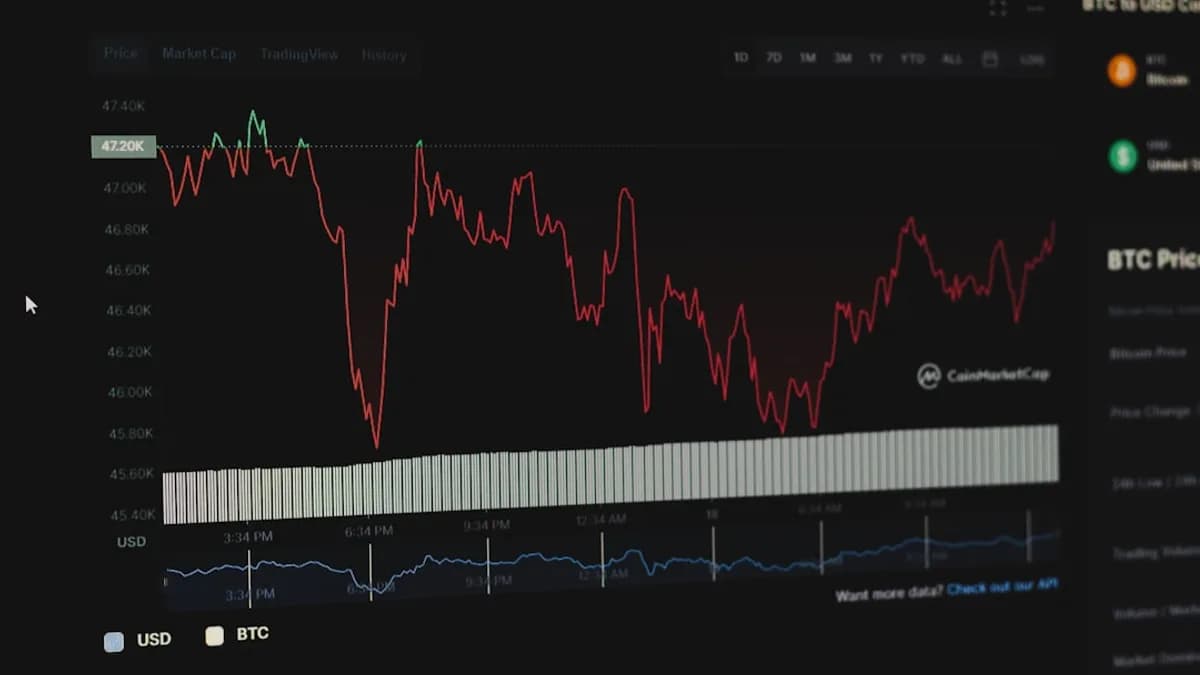
Bitcoin shot past $80,000 overnight, smashing a new record, before plunging back below $77,000 as reports broke of a U.S. warship struck by Iranian missiles in the Red Sea. The rally—fueled by heavy Asian trading volumes—was erased within minutes after the news spooked risk markets and sent crypto traders scrambling for exits, according to Decrypt.
More than $1.2 billion in BTC changed hands on Binance in the hour following the report, with open interest on perpetual futures contracts dropping 7% as liquidations spiked. The market’s whiplash highlighted just how tightly crypto prices are now tethered to geopolitical headlines—especially when military conflict involves the U.S.
By 6 a.m. ET, Bitcoin hovered near $77,500, nursing a 3.2% loss from its overnight high. Other major tokens tracked the volatility: Ether slipped 2.8% intraday, and Solana shed nearly 5%. The sudden reversal erased nearly $70 billion in aggregate crypto market cap in less than two hours, underscoring how fast sentiment can swing when investors run for cover.
Geopolitical Tensions Drive Crypto Market Volatility and Investor Uncertainty
The Iran missile strike sent a shockwave through digital asset markets, reigniting debates about Bitcoin’s role as a “safe-haven” in global crises. While gold climbed nearly 1% on the news, Bitcoin’s sell-off mirrored risk-off moves seen in equities and high-yield bonds. The message: crypto is still trading as a risk asset first, not a universal hedge.
Correlation data backs this up. In the last 18 months, Bitcoin’s 30-day correlation with the S&P 500 has hovered near 0.5, according to CoinMetrics—higher than at any point in its early years. During acute geopolitical shocks, that correlation often spikes, as traders unwind leverage and rotate to cash or traditional hedges.
Investor sentiment soured fast. Funding rates for perpetual swaps on BTC flipped negative for the first time in weeks, signaling that traders are paying a premium to short. Stablecoin dominance—tracked as the share of crypto market cap held in Tether, USDC, and others—jumped nearly a full percentage point, a classic signal of traders seeking shelter from volatility.
Past crises have played out similarly. When Russia invaded Ukraine in 2022, Bitcoin initially rallied on safe-haven narratives, only to dump alongside stocks as the reality of conflict set in. Today’s market is faster, but the pattern holds: real-world risk is still the ultimate volatility trigger for digital assets.
Stablecoin Yield Compromise Boosts Clarity Act Prospects Amid Market Turmoil
Amid the geopolitical chaos, lawmakers struck a deal on stablecoin yield language that analysts say could breathe new life into the long-stalled Clarity Act. The compromise, hammered out late Monday, would allow regulated U.S. stablecoin issuers to offer yield-bearing products—provided they meet new disclosure and reserve requirements.
Odds of the Clarity Act passing in this session jumped from 38% to over 50% on Polimarket and PredictIt, as traders read the compromise as a win for industry lobbyists. For stablecoin issuers like Circle and Paxos, the move could unlock new revenue streams and attract institutional flows currently sidelined by legal uncertainty.
For investors, the regulatory breakthrough signals that Washington is still watching crypto’s core plumbing—even as headlines focus on global conflict. Expect stablecoin market caps, which have largely flatlined since the SEC’s crackdown last year, to start climbing if the Clarity Act advances. USDC briefly ticked up 0.2% on the news, hinting at pent-up demand for compliant yield.
What’s next? Watch for House committee votes on the new language as early as next week. Meanwhile, traders should brace for more volatility tied to Middle East developments—crypto is now firmly in the crosshairs whenever headlines turn hot. The intersection of regulation and global risk is where the next big move will come from.
⚠️ Disclaimer: This article is for informational purposes only and does not constitute financial advice. Always do your own research before making investment decisions.
Impact Analysis
- Bitcoin's sharp reversal highlights its sensitivity to geopolitical events and investor sentiment.
- Crypto markets remain closely correlated with traditional risk assets during crises, challenging the 'safe-haven' narrative.
- Rapid market moves and liquidations expose retail and institutional traders to heightened volatility and risk.