Binance Launches Withdraw Protection to Combat Crypto Theft
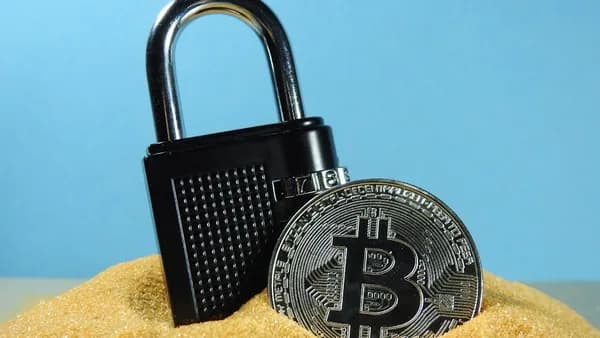
Binance is letting users freeze their crypto withdrawals for up to seven days—a direct response to a surge in physical crypto theft and extortion. The exchange’s new Withdraw Protection feature, announced this week, aims to help users protect their assets if they fear they’re being coerced in real life, not just by hackers online, according to CryptoBriefing.
Withdraw Protection allows any customer to proactively block outgoing crypto transfers from their account for a customizable period, ranging from one to seven days. This means that if someone is threatened at gunpoint, their assets can be locked instantly, stopping any unauthorized withdrawal even if criminals access the account. Binance’s feature comes as reports of “$5 wrench attacks”—where thieves physically force a victim to transfer crypto—are no longer rare headlines but a real risk in regions like Europe, Latin America, and Southeast Asia.
The timing isn’t accidental. In 2023, Chainalysis tracked more than $1.7 billion in crypto stolen via physical attacks and social engineering, a number that’s tripled in three years. Binance’s new approach signals a shift: online security tools aren’t enough if criminals are willing to show up at your door.
How Withdraw Protection Enhances Security Against Physical Threats
Physical threats are the crypto industry’s open wound. Sophisticated account security—MFA, biometric logins, address whitelisting—falls apart if an attacker has a weapon and your login codes. Binance’s Withdraw Protection is designed for this worst-case scenario.
Once enabled, any withdrawal from the protected account faces a mandatory waiting period. Even if a criminal gains access and tries to transfer the funds, the delay gives the victim a window to contact Binance support or authorities. It’s a blunt tool, but it addresses a gap that existing measures leave wide open: most security features are built to thwart remote attacks, not physical coercion.
Other major exchanges, including Coinbase and Kraken, have focused on account recovery and anti-phishing features, but few offer users the ability to unilaterally “pause” their account’s withdrawals for an extended period. Cold wallets remain the gold standard for self-custody security, but for users who keep assets on exchanges for trading or convenience, Withdraw Protection is a practical step up.
Criminals have adapted quickly. Physical crypto thefts are up, and high-profile cases—from the kidnapping of a Dutch crypto trader for $1 million in Bitcoin to a rash of home invasions in the UK targeting NFT collectors—have outpaced most exchanges’ response. Binance is betting that a voluntary lockout feature could stem the tide, or at least buy time for victims to get help.
What Binance Users Should Know About Using Withdraw Protection
Activating Withdraw Protection is simple: users open their account security settings, set a withdrawal block duration (1–7 days), and confirm with two-factor authentication. During the block, no outgoing crypto transfers are allowed—no exceptions, not even for the account owner. The feature can be toggled off, but only after the set period expires, adding a layer of friction meant to frustrate attackers.
There are trade-offs. Traders who need rapid access to funds may find the lock inconvenient, especially during volatile markets. And unlike cold storage, which is offline by design, Withdraw Protection doesn’t stop an attacker from forcing someone to log in and remove the block—though the time delay still gives victims a fighting chance.
Security is an arms race, and Binance signaled this is just the start. The exchange plans to monitor usage and could introduce more granular withdrawal controls or emergency “panic” buttons if user demand is strong. Industry peers will be watching: if the feature catches on, expect copycats across centralized platforms.
Why the Whole Industry Should Be Paying Attention
Withdraw Protection sets a new bar for centralized exchanges, acknowledging that digital-only defenses are no longer enough. As physical crypto attacks escalate, the market is shifting toward hybrid security—solutions that blend account-level protection with real-world risk mitigation.
Regulators and insurance providers will likely take note. Features like Withdraw Protection could become standard for compliance or policy requirements, much like two-factor authentication did a decade ago. For users, it’s a reminder: the threat model for crypto has expanded, and being “secure” means more than just strong passwords.
The next move? Watch for exchanges to roll out even more user-controlled security features—and for attackers to adapt in turn. In the meantime, Binance’s bet is clear: giving users the nuclear option to freeze their own funds might be the only way to stay a step ahead.
⚠️ Disclaimer: This article is for informational purposes only and does not constitute financial advice. Always do your own research before making investment decisions.