Why Seizing Bitcoin from Darknet Operators Marks a Turning Point in Cybercrime Enforcement
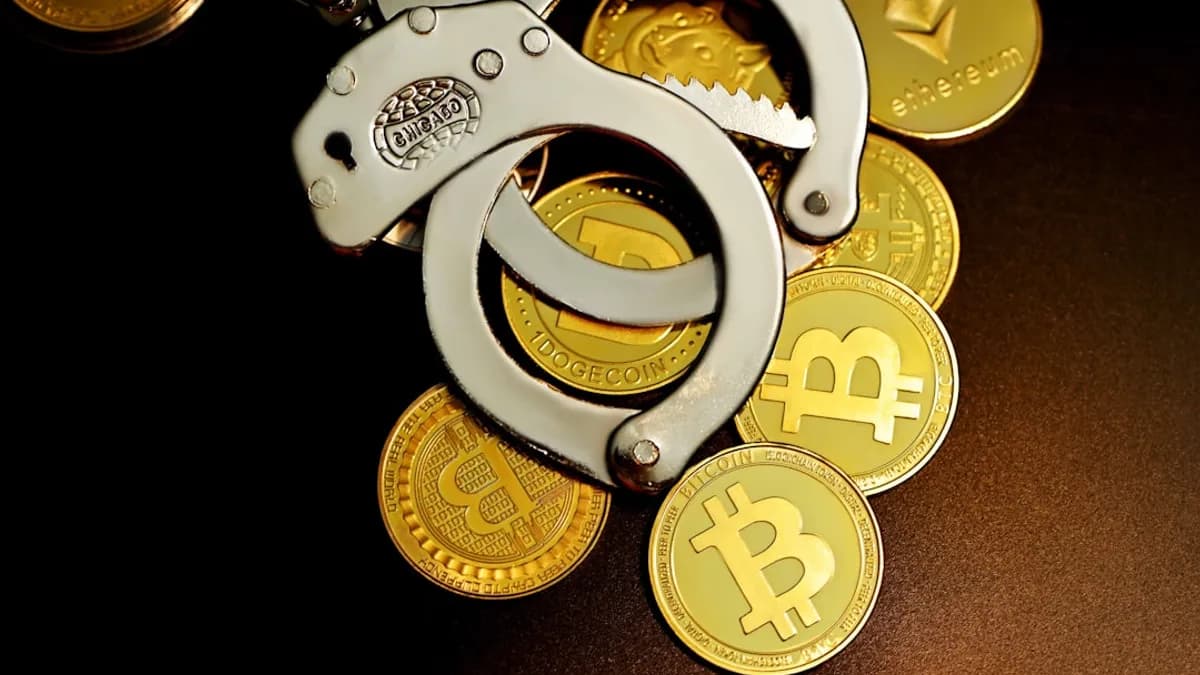
Australian police just confiscated $4.2 million in Bitcoin from two men accused of running illicit operations on a darknet marketplace. This is not just another drug bust—it's a sign that law enforcement is finally closing the gap with cybercriminals who have long used crypto as their shield. According to Decrypt, the suspects now face money laundering and drug charges, with their alleged Bitcoin stash ripped from the digital shadows.
Here's why that matters: for years, the narrative has been that Bitcoin and crypto put criminals out of reach, letting them move millions without leaving a paper trail. This seizure shows those days are numbered. The technical sophistication required to track, freeze, and ultimately seize digital assets at this scale is a leap forward—one that puts every darknet operator on notice. If police can pry $4.2 million in Bitcoin from the hands of alleged marketplace operators, the old cat-and-mouse game just got a lot more even.
How Cryptocurrency Facilitates Darknet Marketplaces and Challenges Traditional Policing
Bitcoin didn't invent the darknet, but it gave it fuel. Crypto's promise of anonymous, borderless transactions made it the currency of choice for illegal online marketplaces. With a few clicks, buyers and sellers could exchange funds for drugs, stolen data, or worse—without ever meeting or risking a face-to-face handoff. And because Bitcoin transactions aren't tied to names or addresses in the way traditional bank wires are, police found themselves chasing shadows.
Tracking these funds is a nightmare. Unlike cash, Bitcoin leaves a visible but pseudonymous trail. Every transaction is immortalized on the blockchain, but without a clear link to a real-world identity, investigators face a maze of wallet addresses and mixing services designed to blur the lines. Darknet operators have exploited this, using crypto's perceived anonymity as both armor and marketing pitch.
The challenge for law enforcement? Piercing that armor. Seizing fiat assets means raiding a safe deposit box or freezing a bank account. Digital assets, especially when stored in self-custodied wallets or scattered across exchanges, require a completely different toolkit. The Australian police's success in this case signals a shift: investigators are catching up, and the learning curve is flattening. The more criminals rely on crypto, the more visible their footprints become—if you know where to look.
The Growing Effectiveness of Blockchain Analysis Tools in Fighting Money Laundering
The key weapon in this new fight is blockchain forensics. Law enforcement agencies now wield analysis tools that can map out complex webs of transactions, flag suspicious flows, and, crucially, link digital wallets to real suspects. These advances are not just incremental—they're transformative. No longer can criminals assume that a tangle of wallet addresses and mixing protocols will keep them safe.
The Australian case hinges on this technical evolution. While the source doesn’t detail the exact methods, police were able to trace and seize $4.2 million worth of Bitcoin—a feat that would have been almost impossible just a few years ago. The new breed of blockchain analysis tools is closing the loopholes that criminals once relied on, making large-scale money laundering steadily riskier.
This isn’t just about catching a few unlucky operators. It's a signal to the entire underground economy: the walls are closing in. Every time law enforcement executes a successful seizure, it not only disrupts a specific operation but also undermines the myth of crypto’s invincibility. The balance of power is shifting, and not in the darknet’s favor.
Addressing Concerns: Could Increased Cryptocurrency Regulation Harm Legitimate Users?
The backlash is predictable. Every successful crackdown on crypto crime stirs fears of overreach: that new regulations will crush innovation or erode privacy for the rest of us. There’s a real risk that headline-grabbing seizures like this will be used to justify blanket restrictions, even when most crypto activity is above board.
But there’s a crucial distinction here. Effective enforcement targets the criminals, not the infrastructure. Seizing illegally acquired Bitcoin from alleged drug dealers is not the same as banning private wallets or surveilling every transaction. The tools that made this Australian bust possible are about smarter investigation, not wider nets.
The right approach is surgical, not sledgehammer. Regulate exchanges to flag suspicious activity, fund agencies to pursue real threats, and protect the rights of legitimate users at every turn. Striking that balance is hard work, but it’s the only way to safeguard both security and innovation.
Why Continued Investment in Cybercrime Enforcement Is Essential to Protect the Digital Economy
This $4.2 million seizure is a proof point, not a finish line. If the digital economy is going to thrive, law enforcement needs sustained funding, better training, and deep partnerships with the private sector. The techniques that worked here must become standard, not just in Australia but worldwide.
Public-private cooperation is non-negotiable. Exchanges, custodians, and blockchain analytics firms all play a role in tracking illicit flows. Policymakers have to back this with real resources and clear guidelines—otherwise, criminals will adapt faster than the police can respond.
What’s next? Watch for law enforcement to push even harder on crypto-enabled crime, using each high-profile seizure to build new investigative playbooks. The digital economy’s future depends on a simple equation: keep criminals on the defensive without stifling the technology that powers legitimate innovation.
The message to policymakers is clear: fund the fight, sharpen the tools, and insist on smart—not blunt—regulation. Anything less, and the next $4.2 million will slip through the cracks.
Disclaimer: This MLXIO analysis is for informational and educational purposes only. It is not financial, investment, legal, tax, or professional advice. It does not provide buy, sell, hold, price-target, portfolio, or personalized recommendations. Verify information independently and consult qualified professionals before making decisions.
Impact Analysis
- Law enforcement's ability to seize cryptocurrency signals a new era in cybercrime investigation.
- The case shows that criminals using Bitcoin are increasingly vulnerable to police action.
- This milestone could deter future illicit activity on darknet marketplaces by raising the risks.