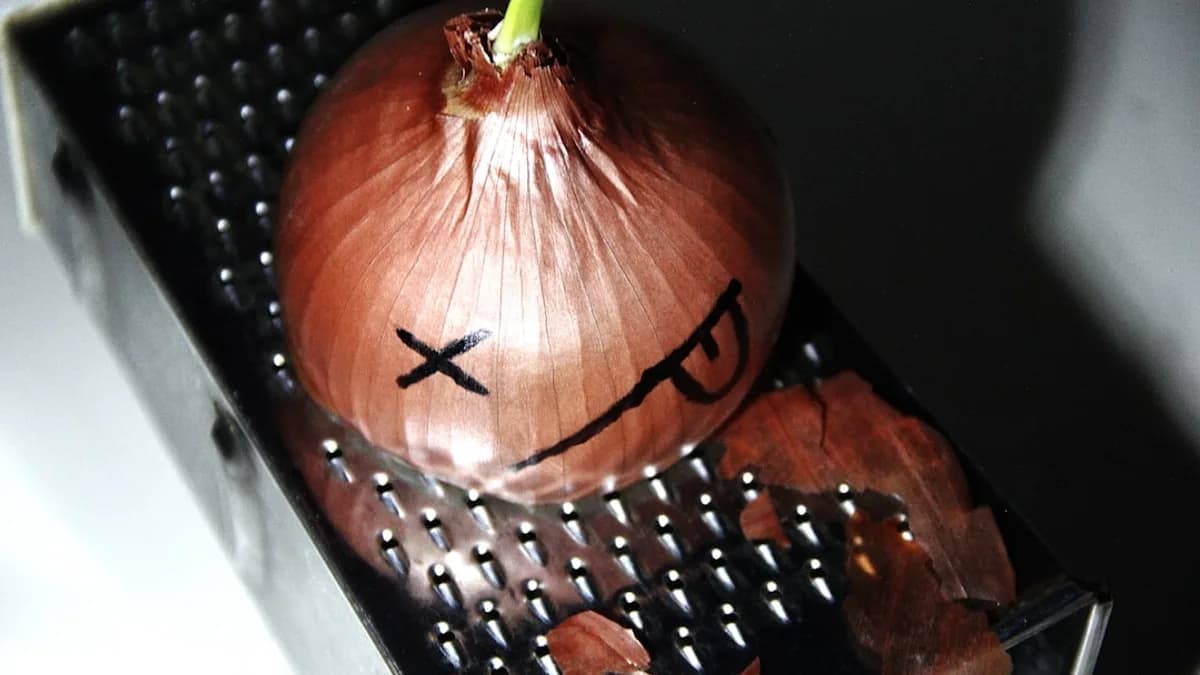
Introduction to The Onion’s Bold Move to Transform Infowars
The Onion is trying to turn Infowars, the site known for wild conspiracy theories, into a comedy platform. This marks a big shift for both companies. Infowars has spent years stirring up controversy with its loud claims and strong opinions. Its founder, Alex Jones, is famous for spreading stories about government plots and fake news.
The Onion, on the other hand, is a well-known parody news site. It pokes fun at politics, pop culture, and just about everything else. Now, The Onion wants to buy or lease Infowars and make it a site for jokes, not rumors. But there’s a problem—a Texas judge stepped in and blocked the sale for now. The Onion is looking at leasing the site instead [Source: Google News].
Changing Infowars from a place of misinformation to a parody platform could shake up how people see both sites. It might help fight fake news in a way no one has tried before. This effort is not just about business—it’s about changing the way we talk about truth online.
The Legal Battle Surrounding Infowars Ownership and The Onion’s Strategy
The Onion first tried to buy Infowars outright. But legal fights quickly got in the way. A judge in Texas stopped the purchase, saying there were concerns about how the deal would work and who would control the site [Source: Google News]. Infowars has faced lawsuits and big fines for spreading false stories, so its ownership is a tricky issue.
After the judge blocked the sale, The Onion changed direction. Instead of buying Infowars, they offered to lease it. Leasing means they would run the site for a set time, but not own it. This could let The Onion use Infowars’ huge audience without getting tangled up in its legal troubles.
This switch matters because leasing is less risky. The Onion might avoid some of the lawsuits and debts tied to Infowars. But there are still challenges. The legal fight shapes what The Onion can do and how far they can go. It also sets a new example for how companies might handle controversial platforms. Instead of buying them, they might lease and change their purpose.
Analyzing The Onion’s Approach: Satire as a Tool Against Misinformation
The Onion has spent decades making sharp jokes about politics and society. Its stories often look real at first but are meant to make people laugh and think. This skill puts The Onion in a unique spot to tackle fake news and wild claims.
Turning Infowars into a parody site could help weaken its old messaging. When people see wild claims turned into jokes, they might stop believing them. Satire can highlight the problems in conspiracy theories and show why they’re silly. For example, The Onion has mocked everything from presidential debates to celebrity gossip, often making readers rethink what they believe.
But using parody to fight misinformation isn’t easy. Some people may not get the joke. Others might feel attacked and dig in even harder. There’s also a risk that satire could spread confusion if readers don’t realize it’s meant to be funny. In the past, shows like "The Daily Show" and "Saturday Night Live" have used humor to poke holes in political lies. Sometimes, this works well—people laugh and learn. Other times, critics say it divides audiences or makes real issues seem less important.
The Onion’s plan is bold because it tries to use laughter to fix a serious problem. If it works, it could set a new standard for how media fights fake news. If it fails, it could show the limits of parody in the age of misinformation.
Potential Impact on Media Landscape and Public Discourse
If The Onion succeeds, Infowars could turn from a source of wild claims into a place for sharp jokes. This might change how the public sees both satire and misinformation. People who used to get their news from Infowars might be surprised—or even angry—to see the site making fun of their favorite stories.
Infowars’ audience is loyal and often distrusts mainstream media. Turning their favorite site into a comedy platform could drive some away, but it might also reach new readers who want a fresh take on news. The broader media world is watching closely. If parody works to fight misinformation here, other groups might try the same trick with other controversial sites.
Critics of Infowars may cheer The Onion’s move. They see it as a clever way to stop the spread of fake news. But some defenders of Infowars, including Alex Jones, will likely push back hard. They may say their free speech is being attacked or that parody isn’t fair.
This shift could also spark debate about how to fight misinformation. Should we use jokes and satire, or stick to strict fact-checking? The media world has tried both. In the past, parody sites like The Onion and satirical TV shows have helped people spot lies and see through hype. But the fight is getting tougher. As fake news spreads faster, media companies are searching for new ways to keep up. The Onion’s plan is just one of many ideas.
Challenges and Ethical Considerations in Repurposing Controversial Platforms
Turning Infowars into a parody site raises tough ethical questions. Is it right to take over a platform known for harmful content and change its message? Some say this is a smart way to stop bad information from spreading. Others worry it could set a risky precedent—what happens if satire goes too far or is used against other sites?
The Onion must balance free speech with responsible media practices. It needs to make sure its jokes don’t cross the line into bullying or disrespect. Satire is funny, but it should also be fair and honest. There’s a risk that some may see the parody as censorship, even if the goal is to fight misinformation.
Maintaining journalistic integrity is key. Satire can help shine a light on truth, but it can also blur the lines if readers get confused. The Onion has a long history of making smart jokes that spark debate, but changing Infowars is a new challenge. It will need to keep its standards high while stepping into a world of angry fans and big legal risks.
Conclusion: The Future of Infowars Under The Onion’s Parody Vision
The Onion’s plan to lease and transform Infowars is one of the boldest media moves in years. Legal hurdles, angry fans, and ethical debates make it a risky bet. But the effort shows how creative ideas can help fight misinformation.
If The Onion pulls this off, it could change how we think about news, comedy, and truth. It might inspire others to use satire as a tool against fake stories. Or, it could show that parody has limits in the face of strong beliefs.
Media innovation is speeding up as misinformation spreads. The Onion’s gamble is a sign of how far companies are willing to go. In the end, the success of this plan will depend on whether laughter can really help people see the truth. All eyes are on Infowars to see what happens next.
Why It Matters
- Transforming Infowars into a parody site could reduce misinformation and reshape online discourse.
- Legal obstacles highlight the complexities of dealing with controversial media properties.
- The Onion’s strategy may set a precedent for how satire can be used to counter fake news.