


Introduction: Offset’s Resilience in the Face of Adversity
In the wake of a harrowing shooting incident outside a Hollywood casino, Offset’s return to the stage has been nothing short of remarkable. Just days after being hospitalized, the rapper rolled onstage in a wheelchair for his first public performance since the attack, signaling not just his determination to keep moving forward, but also his willingness to be seen in a vulnerable state [Source: Source]. Offset’s journey—from a hospital bed to a public stage—has captivated fans and sparked broader conversations about resilience, recovery, and the expectations placed on artists in the public eye.
Offset’s experience is a powerful reminder that behind the headlines and hit singles are real people navigating real trauma. His recent performance was not just an act of showmanship, but a statement about the complexity of healing in the spotlight. As we reflect on his recovery, it’s worth considering the physical, emotional, and cultural challenges faced by artists following public acts of violence.
The Physical and Emotional Toll of Public Violence on Artists
The physical aftermath of being shot is difficult enough for anyone. For a performer whose career relies on energy and presence, the stakes are even higher. Offset’s decision to take the stage so soon after his release from the hospital underscores both his commitment to his craft and the immense physical challenges he faces. Performing while still visibly recovering—initially in a wheelchair—was a bold move that showcased his dedication but also highlighted the pressure to return to work before full recovery [Source: Source].
Beyond the physical pain, incidents like the one Offset endured inflict significant emotional and psychological wounds. Artists often grapple with anxiety, post-traumatic stress, and the ongoing fear for their safety. For Offset’s family and close friends, the anxiety is just as real, adding another layer of complexity to the healing process. Public violence doesn’t just affect the individual; it ripples outward, impacting relationships and mental well-being.
Compounding these challenges are the relentless expectations of public life. The music industry, particularly the rap genre, often celebrates toughness and perseverance, making it difficult for artists to acknowledge vulnerability or take time to heal. The expectation to quickly “bounce back” and fulfill contractual obligations can lead to rushed recoveries and unresolved trauma. Offset’s rapid return to the spotlight is emblematic of these pressures, raising important questions about how we support artists in times of crisis.
Offset’s Public Image: Balancing Vulnerability and Strength
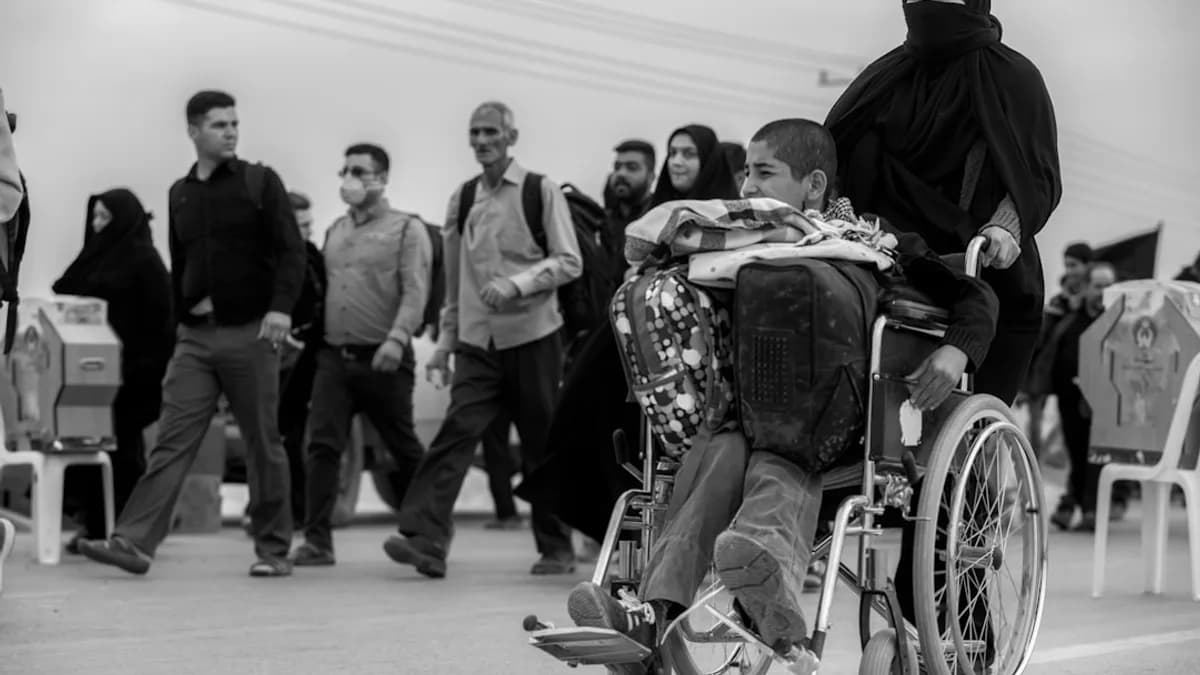
In choosing to perform in a wheelchair, Offset made a powerful statement about vulnerability and transparency. In a culture that often equates celebrity with invincibility, his willingness to be seen in a physically compromised state was refreshing and authentic. It offered fans a rare glimpse behind the curtain—reminding us that strength can coexist with vulnerability, and that recovery is a process, not a spectacle [Source: Source].
The symbolism deepened when Offset later took the stage without the wheelchair, defying expectations and reinforcing his reputation for resilience [Source: Source]. This shift, from visible vulnerability to determined mobility, resonated with audiences and further complicated the narrative around what it means to “be strong.” Was Offset proving a point about mind over matter, or responding to the unspoken demand to show no weakness? The answer likely lies somewhere in between.
In today’s celebrity landscape, authenticity is currency. Fans crave realness, and Offset’s openness about his condition fostered a sense of connection and empathy. By sharing both his struggles and triumphs, he broadened the conversation around what it means to recover—not just physically, but emotionally and publicly. His actions invite us to reconsider our assumptions about strength and to appreciate the courage it takes to be genuinely seen.
The Broader Issue: Violence and Financial Pressures in the Rap Industry
Offset’s ordeal is far from an isolated incident. The rap industry has long grappled with issues of violence, often intertwined with larger systemic challenges like financial instability and public scrutiny. Recent reports have spotlighted Offset’s gambling debts, suggesting that financial pressures can exacerbate personal risks and complicate recovery [Source: Source]. He is not alone in facing such challenges; numerous artists have struggled with similar issues, from high-profile shootings to mounting debts.
These pressures create a perfect storm where personal safety, economic insecurity, and public image collide. The expectation to maintain a certain lifestyle, coupled with the financial unpredictability of the music business, can push artists into risky situations. For some, gambling is not just recreation but an escape from stress or a misguided attempt to secure financial stability. When debts become public, as in Offset’s case, the scrutiny intensifies, adding another layer of vulnerability [Source: Source].
Moreover, the industry’s culture often glamorizes dangerous behaviors while stigmatizing vulnerability. This dynamic leaves many artists without adequate support systems to navigate trauma, financial setbacks, or mental health struggles. The consequences can be devastating, both personally and professionally.
Addressing these issues requires more than individual resilience—it demands systemic change. Artists need access to financial education, mental health resources, and networks of support that prioritize long-term well-being over short-term gains. The industry as a whole must reckon with the ways it perpetuates cycles of violence and instability, and work towards creating safer, more sustainable pathways for success.
The Role of Media and Fans in Shaping the Narrative
Media coverage plays a pivotal role in framing stories like Offset’s, but it often walks a fine line between informing the public and sensationalizing trauma. Headlines about Offset’s wheelchair entrance or his decision to leave it behind can inadvertently reduce a complex recovery to a spectacle, overshadowing the real challenges he faces [Source: Source]. This kind of coverage risks trivializing the emotional and physical toll of violence, turning moments of vulnerability into viral talking points.
Fans, too, are part of the equation. While many have expressed support and admiration for Offset’s resilience, others have sent mixed messages—praising his quick return while implicitly encouraging a rush back to business as usual. These reactions reflect broader cultural attitudes toward strength, recovery, and celebrity. The expectation for artists to perform superhuman feats, both on and off stage, is not only unrealistic but potentially harmful.
What’s needed is a more compassionate and nuanced approach to both reporting and public discourse. Rather than fixating on moments of drama, media outlets and fans alike should focus on the broader context—acknowledging the courage it takes to heal, the pressures that complicate recovery, and the systemic issues that underlie incidents of violence in the industry. By shifting the narrative, we can create space for empathy, understanding, and meaningful support.
Conclusion: Celebrating Strength While Advocating for Support and Understanding
Offset’s recent performance is a testament to his resilience, but it also exposes the complex realities faced by artists in the aftermath of violence. His journey reminds us that recovery is multifaceted, requiring not just physical healing but emotional support and systemic change.
As fans and cultural observers, we have a responsibility to move beyond sensationalism and embrace empathy. That means celebrating Offset’s strength while also advocating for the resources and understanding needed to support artists navigating personal and professional challenges. The conversation shouldn’t end with Offset’s recovery; it should spark ongoing dialogue about mental health, financial literacy, and safety in the music industry. Only by addressing these deeper issues can we ensure a safer, more compassionate future for the artists who inspire us.