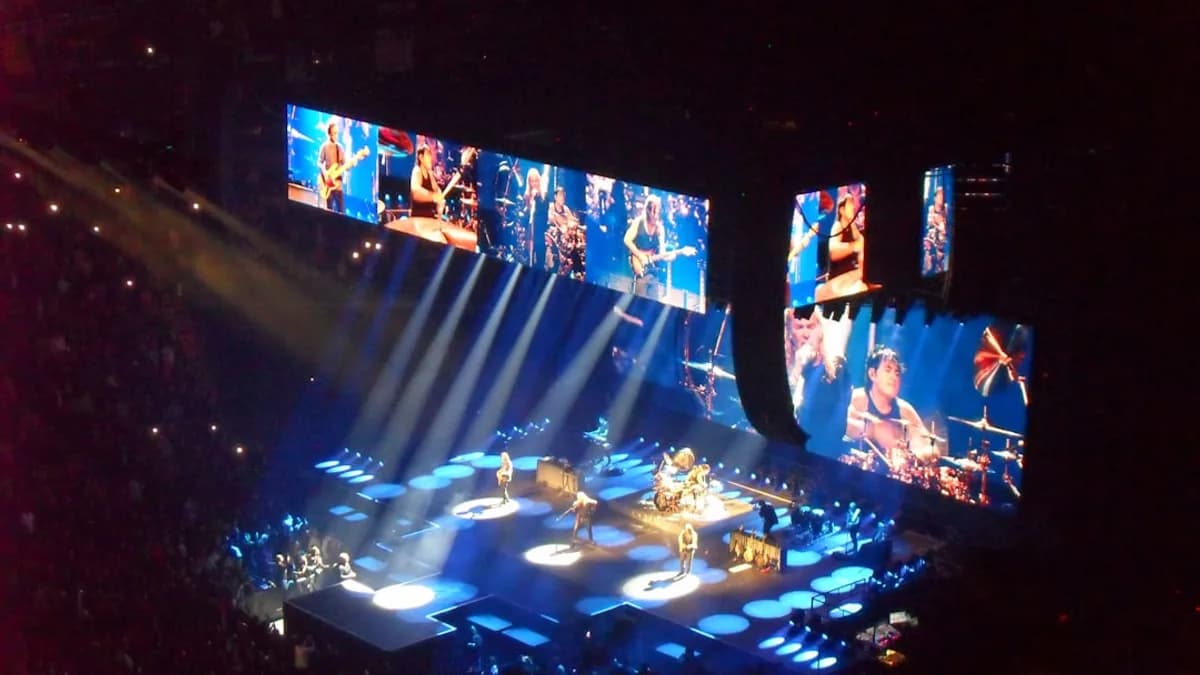
Introduction: The 2026 Rock and Roll Hall of Fame Induction – A Moment of Anticipation and Controversy
The Rock and Roll Hall of Fame’s 2026 class has sparked both excitement and debate, with a lineup that spans genres and generations: Phil Collins, Iron Maiden, Sade, Oasis, Wu-Tang Clan, and Luther Vandross [Source: Source]. As the ceremony approaches, the spotlight shines especially bright on Oasis—will the famously fractious Gallagher brothers set aside their differences for this milestone? Meanwhile, New Order’s absence from the inductee list raises questions about recognition, band dynamics, and the Hall’s opaque selection process. The anticipation isn’t just about who will take the stage; it’s about what stories will be told, which wounds will heal, and how the ever-evolving narrative of rock and popular music will be shaped. This opinion piece explores the meaning behind the headlines and the lingering questions that make the 2026 induction ceremony more than just another awards night.
Oasis: Will They Show Up and What Does Their Induction Mean?
Oasis’s place in the 2026 Rock Hall class is a seismic moment for Britpop and 90s rock. As one of the era’s defining bands, their induction is overdue recognition of their cultural impact—melding Beatles-inspired melodies with working-class swagger and creating anthems like “Wonderwall” and “Don’t Look Back in Anger” that still reverberate today. Yet, the band’s history is famously turbulent. Sibling rivalry between Noel and Liam Gallagher has led to public spats, a decade-long split, and a reluctance to engage with institutions like the Hall of Fame [Source: Source].
So, will Oasis show up? The answer is as unpredictable as the brothers themselves. Noel’s attitude toward awards has often been dismissive, while Liam has oscillated between nostalgia and antagonism. Their attendance would not just be a symbolic reunion; it could be a cathartic moment for fans who have long hoped for reconciliation. The prospect of seeing Oasis together—however briefly—would likely overshadow the rest of the ceremony, offering a reminder of the band’s legacy and the personal cost of creative conflict.
If they decline to attend, it would reinforce the notion that the Hall’s recognition is secondary to the band’s internal dynamics. That absence would be felt not just by Oasis devotees, but by the music community at large—underscoring how unresolved tensions can diminish moments of collective celebration. Whether they show up or not, their induction is a testament to the enduring power of Britpop and the complexities of musical legacy.
New Order: The Unanswered Question of Peace and Recognition
While Oasis dominates headlines, New Order’s exclusion from the 2026 class is a glaring omission, especially given their pivotal role in post-punk and electronic music. Despite influential albums, massive hits like “Blue Monday,” and a devoted fan base, the band remains on the outside looking in [Source: Source]. This raises broader questions about how Hall of Fame recognition is tied to band relationships and public perceptions.
The selection process is further complicated by the case of New Edition, who won the fan vote but were not inducted—a decision that has ignited criticism and disappointment among supporters [Source: Source]. This disconnect between fan engagement and actual selection underscores a recurring controversy: the Hall’s criteria are often opaque, leaving room for perceived snubs and favoritism.
For New Order, the issue isn’t just about individual merit but the dynamics of band unity. Like Oasis, they’ve weathered breakups and internal disputes. Their exclusion may reflect not only industry politics but also the Hall’s reluctance to wade into fractious histories. Ultimately, these choices highlight the tension between artistic achievement and the realities of group collaboration. Recognition isn’t only about talent—it’s about narrative, timing, and, sometimes, reconciliation. The Hall’s decisions continue to spark debate about whose stories get told and whose legacies are celebrated.
The Broader Implications of the 2026 Induction Choices
This year’s inductee list is notable for its diversity, spanning rock, soul, hip-hop, and metal. Phil Collins, Sade, Wu-Tang Clan, Iron Maiden, and Luther Vandross each represent distinct eras and genres, reflecting the Hall’s evolving approach to inclusion [Source: Source]. The selection underscores the growing recognition of hip-hop’s influence—Wu-Tang Clan’s induction is a landmark for the genre—while Iron Maiden’s presence signals a renewed respect for heavy metal, a category long overlooked by the Hall.
These choices mirror industry trends and shifting values, as critics and fans alike push for broader definitions of “rock and roll.” The Hall’s balancing act between commercial success, cultural impact, and artistic merit is on full display. Sade’s inclusion, for instance, is less about chart dominance and more about stylistic innovation and lasting influence. Vandross embodies the bridge between soul and pop, while Collins’s solo career stands as testament to crossover appeal.
Yet, the controversies—New Edition’s fan-voted snub, New Order’s exclusion, Oasis’s uncertainty—show how the Hall remains a lightning rod for debates about legitimacy and representation. Fan reactions and media coverage amplify these tensions, shaping public perception of the Hall as both an arbiter of taste and a source of frustration. Ultimately, the induction choices are a reflection of the ongoing struggle to honor music’s past while adapting to contemporary sensibilities.
Conclusion: What the 2026 Rock Hall Induction Tells Us About Music, Legacy, and Reconciliation
The 2026 Rock Hall induction is a microcosm of music’s enduring power to provoke, unite, and divide. The hope for an Oasis reunion, the disappointment over New Order’s exclusion, and the debate about fan-driven recognition all point to deeper questions about legacy and reconciliation [Source: Source]. As we look forward to the ceremony, the stakes are not just about awards but about healing old wounds and celebrating shared history. The Hall of Fame, for all its flaws, remains a stage where the narratives of rock and popular music are contested and defined. Whether this year brings closure or further controversy, it invites us to reflect on the meaning of recognition—and the possibility of peace, even in the most tumultuous stories. The anticipation is real; the answers, uncertain. But that uncertainty is what keeps the Hall relevant and the conversation alive.