Why Are Young Women Turning to Subliminals for Beauty Boosts?
Millions of young women are streaming whispered affirmations and ambient sounds with the hope that their faces will transform—no products, no procedures, just headphones and faith. On YouTube and TikTok, “subliminals” rack up hundreds of millions of views, promising everything from sharper jawlines to glowing skin, according to Wired. The phenomenon is fueled by a social media culture where beauty is currency, and the pressure to “glow up” is relentless.
The digital arms race for attractiveness isn’t new, but the approach has shifted. While men chase “looksmaxxing” through fitness, jaw exercises, and even surgery, young women are increasingly seeking gentler, psychological hacks. Algorithms amplify this trend: TikTok’s For You page and YouTube’s recommendations drive users toward ever more niche self-improvement videos, including ASMR-style subliminals. In forums and comment sections, users swap stories about overnight changes—a nose that’s slimmer, eyes that are brighter, skin that’s suddenly flawless.
This isn’t just about vanity. For Gen Z, beauty is tightly linked to social validation and economic opportunity. Instagram likes, dating app matches, influencer sponsorships—all hinge on appearance. The surge in subliminal listening reveals a deeper anxiety: the fear of falling behind in a world obsessed with visual perfection. Subliminals market themselves as easy, risk-free fixes for those unwilling or unable to pursue more invasive options. In a culture where every pixel counts, the promise of effortless transformation is irresistible.
What Are Subliminals and How Do They Claim to Enhance Your Appearance?
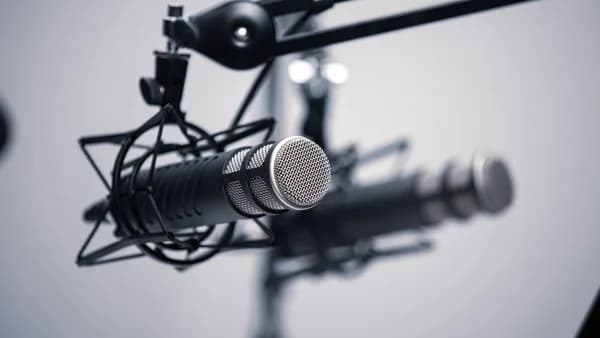
Subliminals are audio tracks engineered to deliver hidden messages below the threshold of conscious perception. The beauty-focused versions blend ASMR—a genre where creators whisper, tap, or rustle to trigger relaxation—with affirmations like “my skin is flawless” or “my nose is perfectly sculpted.” Sometimes these messages are whispered directly, sometimes they’re buried beneath music or nature sounds, barely audible to the listener.
Creators claim that repeated exposure to these statements can “rewire” the subconscious, modifying self-image and even physical traits. The theory borrows from old-school self-help: if you hear “I am beautiful” often enough, your mind—and maybe your body—will eventually accept it as reality. Some videos are hyper-specific (“remove acne scars,” “grow longer eyelashes”), others are vague (“increase attractiveness,” “glow up instantly”). The content is often paired with visuals of idealized faces, adding an extra layer of suggestion.
The mechanism, as described by proponents, hinges on neuroplasticity—the brain’s ability to reorganize itself. By flooding the subconscious with positive messages, users hope to override negative self-talk and manifest real changes. It’s the Law of Attraction meets digital hypnosis. ASMR adds another dimension: the soothing sounds are meant to lower stress, making the mind more receptive to suggestion.
But the line between science and wishful thinking is blurry. While subliminal messaging has roots in advertising and psychology, its effectiveness for physical transformation remains unproven. The appeal, though, is powerful: a low-effort ritual that promises results without the pain, expense, or risk of traditional beauty hacks.
Can Listening to Subliminals Actually Improve Your Looks? What Does Science Say?
The evidence for subliminals reshaping faces is thin, bordering on nonexistent. Decades of research on subliminal messaging—from the infamous “Drink Coke” movie theater experiment to modern priming studies—show that hidden cues can influence preferences or attitudes, but not physical traits. A 2016 meta-analysis found that subliminal priming could nudge behavior in the short term, but effects were modest and context-dependent.
No peer-reviewed study has demonstrated that listening to audio affirmations can alter bone structure, skin texture, or any other aspect of appearance. The claims in TikTok comments (“my nose changed overnight”) are anecdotal and likely colored by confirmation bias. At best, subliminals might boost confidence or encourage healthier habits—both of which can indirectly affect perceived beauty. For example, someone who feels more attractive may smile more, carry themselves differently, or be motivated to improve their skincare routine.
The placebo effect is potent, especially in the beauty arena. Believing a method works can lead to real changes in attitude and behavior, which in turn might enhance appearance. But attributing these shifts to subliminal audio alone overlooks other variables: diet, sleep, makeup, lighting, and photo filters. Psychologists caution that the mind is suggestible, but not omnipotent. There’s no evidence that listening to “grow taller” subliminals will actually stretch your bones.
Still, the psychological impact is real. For users struggling with self-esteem, the ritual of listening can be comforting, providing a sense of control. It’s less about the audio itself and more about the act of trying—a digital talisman against insecurity.
How Are Subliminals Influencing Beauty Routines and Mental Health Among Young Women?
Subliminals are now routine for thousands, embedded in daily rituals alongside serums and sheet masks. Some users listen while applying makeup, others drift off to sleep with affirmations playing in the background. The integration is seamless, requiring no extra effort or expense; playlists are free, and the only investment is time.
The psychological boost can be tangible. In online communities, women report feeling more motivated, confident, and relaxed after weeks of subliminal listening. The ritual can function as a form of self-care, a way to unwind and focus on positive self-image. For those battling anxiety or negative body thoughts, the structure of daily affirmations can serve as a mental anchor.
But there’s a flip side. Unrealistic expectations can breed disappointment. When promised instant transformation (“glow-up overnight”), users may become frustrated if changes don’t materialize. Some neglect proven practices—skincare, nutrition, exercise—in favor of audio routines. The risk is highest among teens, who are especially vulnerable to beauty marketing and peer pressure. Mental health experts warn that the line between harmless ritual and obsession is thin: constant monitoring for “results” can reinforce insecurity.
Social media fuels both the hype and the anxiety. Comment sections overflow with urgent questions (“How many times should I listen?” “Will this fix my nose?”), reflecting a collective impatience for visible change. The viral nature of subliminals amplifies the stakes: everyone wants proof, but few find it. For some, the ritual is empowering; for others, it’s a cycle of hope and letdown.
What Does a Real-Life Glow-Up Using Subliminals Look Like? A Mini Case Study
Take the case of 17-year-old “Maya” (name changed), who spent three months listening to “clear skin” and “perfect face” subliminals on YouTube. She combined daily audio sessions (30 minutes before bed) with her usual skincare routine—cleanser, moisturizer, and SPF. After six weeks, Maya reported feeling “prettier and more confident,” noting that her acne had faded and her friends complimented her glow.
But Maya’s improvement tracked closely with her commitment to skincare and diet. She started drinking more water, eating fewer processed foods, and sleeping earlier—all habits she credited to feeling inspired by subliminal listening. Her before-and-after photos showed modest differences: clearer skin, brighter eyes, a more relaxed demeanor. The biggest change was psychological; Maya felt empowered to post more selfies and engage socially.
When asked if the subliminals alone caused her improvement, Maya admitted, “It’s probably everything together. But I think listening every night made me believe I could change.” The audio became a catalyst for healthier routines, not a miracle in itself. Her experience matches the pattern seen in broader surveys: those who use subliminals often pair them with actionable steps, blurring the line between ritual and result.
How Should You Approach Subliminals If You’re Interested in Boosting Your Beauty?
If you’re considering subliminals, treat them as a supplement—not a substitute—for proven beauty and wellness strategies. Set realistic expectations: audio tracks won’t sculpt your features, but they can support mindset shifts. Use them to reinforce healthy habits, like consistent skincare or better sleep, rather than chase instant transformation.
Be wary of videos promising overnight results or “miracle” changes. Look for creators who are transparent about limitations and encourage holistic self-care. Track your progress with objective measures—photos, journals—so you can distinguish between placebo effects and genuine improvement.
Critically evaluate your motivations. Are you seeking confidence, or chasing perfection? If the ritual feels empowering, keep it in your routine. If it breeds anxiety or disappointment, rethink your approach. The real beauty boost often comes from combining psychological tools with tangible action. In a world obsessed with filters and fixes, the most effective glow-up is rooted in both mind and method.
Watch for new trends: as AI-generated voices and more personalized affirmation tech emerge, the allure of subliminals will only grow. The hype may outpace the science, but the ritual remains—an online mirror for modern anxieties about beauty and belonging.
Impact Analysis
- Subliminals reflect growing anxiety about beauty standards and social validation among young women.
- The trend highlights how algorithms and social media shape self-image and drive demand for unconventional self-improvement tools.
- Easy access to subliminals signals a shift from invasive beauty solutions toward psychological and digital methods.