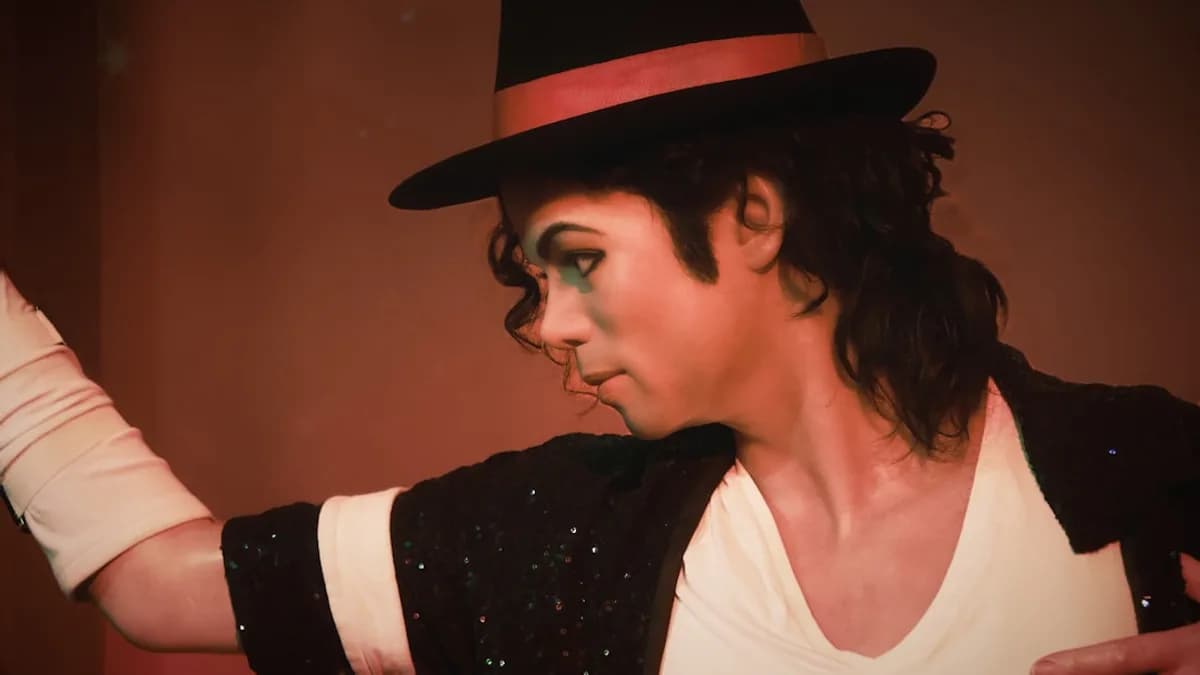
Introduction: Revisiting Michael Jackson’s Life Through a New Biopic
A new Michael Jackson biopic puts the King of Pop back in the spotlight, but the film raises as many questions as it answers. Jackson’s music, dancing, and style changed pop forever. He broke records with “Thriller,” made moonwalking famous, and set new bars for music videos. But his story has always been messy and full of debate, from his childhood fame to his final days.
Now, this movie tries to show Jackson’s life on the big screen. It covers his rise to stardom and hints at his struggles. But it also skips or softens some parts of his past. This article looks at what the biopic shows, what it leaves out, and who gets to decide how we remember Michael Jackson. We dig into how movies like this shape what people know about famous figures, and why telling the whole story matters.
Key Highlights and Narrative Choices in the Michael Jackson Biopic
The new biopic takes viewers through Jackson’s key milestones, starting with his early days in the Jackson 5. The film highlights his transformation from child star to global pop icon. We see young Michael singing “I Want You Back,” then watch as he launches his solo career and releases “Off the Wall” and “Thriller.” The music and dance scenes get top billing, with extended shots of Jackson on stage, moving crowds and breaking records. The filmmakers clearly want to remind us why people called him the King of Pop.
The movie also touches on Jackson’s intense work ethic and his perfectionism in the studio. There are scenes showing him practicing late into the night or sweating over a single note. The story paints Jackson as both gifted and driven, but also deeply lonely at the top. His struggles with fame and the burden of being in the public eye show up in quieter moments. The film includes his changing appearance, which became a tabloid obsession, and his close ties to his family, especially his mother, Katherine.
But the narrative spends most of its time on the high points: the Motown 25 moonwalk, the making of groundbreaking videos, and the massive world tours. It shows Jackson fighting for artistic control and pushing boundaries in music and dance. We get glimpses of his humanitarian work, like his “We Are the World” project and visits to sick children. These scenes reinforce his impact beyond music. The emotional core centers on Jackson’s search for love and acceptance, both from his family and the world. The film ends on a bittersweet note, capturing Jackson’s legacy as both a legend and a mystery [Source: Al Jazeera].
Critical Omissions: What the Biopic Leaves Out About Michael Jackson
While the biopic covers many highlights, it sidesteps or downplays some of the most controversial parts of Michael Jackson’s life. The biggest omission is the sexual abuse allegations. Jackson faced two high-profile accusations, one in 1993 and another in 2003, both involving young boys who spent time at his Neverland Ranch. He was never found guilty in court, but the allegations followed him for the rest of his life. The film either skips these events or mentions them only in passing, without showing the impact on Jackson, his fans, or the families involved [Source: Al Jazeera].
The movie also avoids digging into Jackson’s changing appearance. His skin lightened over the years, which he said was due to vitiligo, a skin disorder. Many people speculated about plastic surgery and his shifting identity. These topics get a light touch in the film, without much detail. Jackson’s struggles with prescription drugs, which played a role in his death from cardiac arrest in 2009, are hinted at but not explored. There is little about his financial troubles, famous lawsuits, or the complex web of advisors and hangers-on that surrounded him.
Leaving out these parts creates a smoother, more heroic story. But it means viewers don’t see the full picture. The film focuses on Jackson’s talent and positive impact but skips the pain, confusion, and controversy that shaped his final years. For example, the Leaving Neverland documentary in 2019 sparked a new debate about Jackson’s legacy, prompting radio bans and protests, but the biopic does not address this fallout at all.
When a movie about a real person leaves out hard subjects, it shapes what people remember. Some fans may feel relieved to have a version of Jackson’s life that focuses on music and magic. Others might see it as a way of avoiding hard truths. For new fans, especially younger ones, the film becomes their first lesson about Jackson. If the lesson skips over big issues, it risks repeating only part of the story. This has happened before with other music biopics: the Queen film “Bohemian Rhapsody” softened Freddie Mercury’s struggles, and “Straight Outta Compton” skipped some of N.W.A’s darkest moments.
Ultimately, when filmmakers leave out the hardest parts of a legacy, it can make the subject seem less real and more like a myth. That might make for a comforting movie, but it does not help audiences truly understand the person behind the legend.
Who Shapes Michael Jackson’s Legacy? The Role of Filmmakers and Media
When it comes to telling Michael Jackson’s story, filmmakers hold a lot of power. The producers, director, and studio decide which parts of his life to show and which to leave out. In this case, Jackson’s own estate helped shape the biopic, which means the family had a say in how he is remembered [Source: Al Jazeera]. This is common with biopics about famous figures—families and estates often want to protect a legacy, avoid lawsuits, or present a kinder portrait.
Media coverage and public opinion also play a big role. Over the years, Jackson’s image shifted from beloved pop star to tabloid target to controversial figure. News stories, documentaries, and social media debates all help shape what people think about him. One big example: after the “Leaving Neverland” documentary aired, radio stations around the world pulled Jackson’s music, and fans argued over whether it was fair to “cancel” his legacy.
There is always a battle between telling a good story and sticking to the facts. Movies have to keep audiences engaged, so they often blend drama with real events. But when filmmakers skip over painful or messy parts, it can feel like rewriting history. The way a biopic frames its story—hero, victim, villain, or something in between—shapes how new generations see a cultural icon. That means the people behind the camera are not just telling a story; they are deciding what the world remembers.
Broader Implications: How Biopics Influence Public Memory and Historical Understanding
Biopics are more than just movies—they become history lessons for millions of people. Most fans learn about famous figures like Michael Jackson, Freddie Mercury, or Elvis Presley from films, not books or news stories. When a biopic chooses what to show and what to hide, it shapes how future audiences understand those people. This is even more important when the subject is as big as Jackson.
For many young viewers, the new biopic might be their first real introduction to Michael Jackson. If the film skips his scandals or controversies, those viewers may never hear about them. That can lead to a simpler, cleaner version of history that leaves out the tough questions. At the same time, focusing only on the negative can erase the good that someone did. The real challenge is to show the full picture: the talent, the flaws, the struggles, and the impact.
Selective storytelling has real consequences. When “Bohemian Rhapsody” left out much of Freddie Mercury’s struggle with HIV/AIDS, critics said it missed a chance to help people understand his life and the times he lived in. The new “Elvis” film faced similar questions about how it handled Presley’s relationships and addiction. These choices can change how people think about whole eras, not just individuals.
That’s why it matters to watch biopics with a critical eye. Fans should ask: What’s missing? Whose voice is not heard? Are the hardest topics avoided, or faced head-on? For teachers, parents, and cultural critics, movies like the Michael Jackson biopic are a starting point—not the final word—on a person’s story.
Biopics can spark new debates about old controversies, help people understand the past, or even change a star’s reputation for better or worse. They can also help survivors, critics, and supporters share their views. The real power lies in how these films shape what people feel and remember, sometimes for generations.
Conclusion: Reflecting on the Complex Legacy of Michael Jackson Through Film
This new Michael Jackson biopic reminds us why he mattered, but it also shows the risks of leaving out hard truths. The film celebrates his music, talent, and impact. But by skipping or softening the darkest parts of his past, it only tells part of the story. Jackson’s legacy is still debated—some see him as a hero, others as a deeply flawed star. The way we remember him depends on which version of his story gets told.
Filmmakers and media have a big responsibility. They shape not just what we watch, but what we remember. As more biopics come out, it is up to viewers to ask tough questions and look for the full story. In the end, telling the truth—no matter how messy—may be the best way to honor both the person and their legacy.
Why It Matters
- Biopics influence public understanding of celebrity legacies by highlighting or omitting key events.
- The selective storytelling in films can shape how future generations remember Michael Jackson’s achievements and controversies.
- Examining what is left out of the biopic reveals broader issues about who controls the narrative of famous figures.