Introduction: The Controversy Surrounding the Michael Jackson Biopic
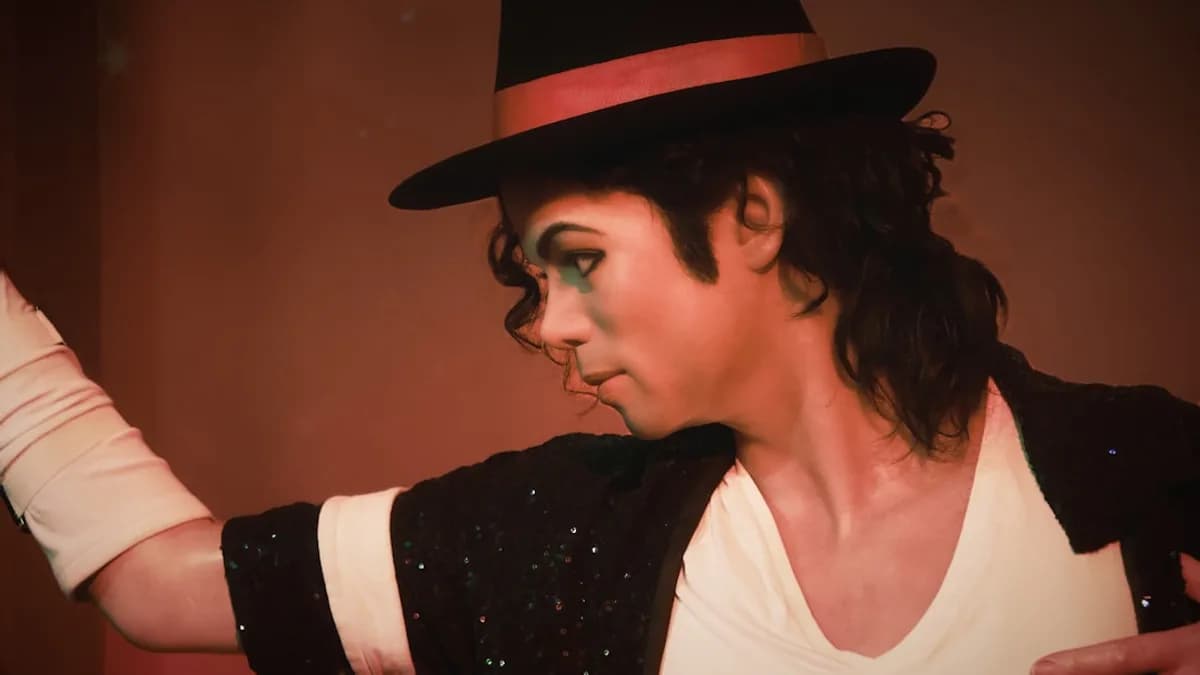
A new Michael Jackson biopic has hit theaters, and it’s not just fans who are talking. One of Jackson’s relatives has called out the media, saying, “You don’t get to control the narrative anymore” [Source: Google News]. This comment lands at a time when Hollywood is trying to tell the story of one of music’s most complicated icons. Jackson’s life was full of big highs and deep lows, and the movie “Michael” is stirring up strong opinions. Some critics say the film skips important details. Others think it lets Jackson’s family shape too much of the story. The heart of the debate is this: Who gets to decide how we remember Michael Jackson? And are biopics fair, or do they just pick and choose what story to show? Let’s dig into how the media, filmmakers, and fans are fighting for control over that story.
The Power Struggle Over Michael Jackson’s Legacy
Michael Jackson’s legacy has always been at war with itself. The media helped build him into the “King of Pop,” but it also tore him down with stories about his personal life and legal troubles. Headlines followed Jackson everywhere, from his record-breaking albums to the scandals that chased him for decades. The press shaped public opinion, often with little room for Jackson’s side or his family’s voice.
Now, as the new biopic “Michael” opens, Jackson’s relative is pushing back. They say the media doesn’t get to control the narrative anymore [Source: Google News]. This is a big shift. For years, newspapers, TV, and magazines were the main sources for stories about famous people. They decided which parts of Jackson’s life got attention, and which parts got ignored.
But the fight to own the story isn’t just about the Jackson family or the media. It’s about who gets to tell the story of a cultural icon. When a person’s life is so public, their story becomes a kind of tug-of-war. Fans want to celebrate his music. Critics want answers about his controversies. The family wants his humanity to shine through.
This power struggle matters. If only one group tells the story, we risk losing important details or letting bias slip in. Jackson’s life was messy, but it was also brilliant. If we only remember him as a superstar, or only focus on the scandals, we miss the full picture. The biopic’s release is forcing everyone to ask: Who owns Michael Jackson’s legacy now?
Challenges in Portraying Complex Figures in Biopics
Making a biopic about someone like Michael Jackson is tough. His story is big, messy, and full of contradictions. Filmmakers have to pick which parts to show and which to leave out. That’s not easy, especially when his life covers everything from childhood stardom to global fame and deep controversy.
Critics say the new film “Michael” leaves too much unsaid. Some reviews claim it skips hard truths and lets the family’s version of events take over [Source: Google News]. Others feel the movie tries to protect Jackson’s reputation instead of showing the full story. This isn’t new. Many biopics face the same problem. They want to entertain, but they also need to be honest. Sometimes, they gloss over facts or turn real people into heroes or villains.
The challenge is balance. Filmmakers use artistic license to make movies interesting. But too much bending of the truth can mislead audiences. For example, “Bohemian Rhapsody” about Freddie Mercury was criticized for changing timelines and facts to fit a neat story. The Elton John biopic “Rocketman” used fantasy scenes to show emotions, but some fans wanted more real details.
When the subject is as complex as Jackson, it’s even harder. His music touched millions. His personal struggles made headlines. His legal battles divided fans. A biopic has to decide which side to focus on. If it leaves out key events or oversimplifies, viewers may walk away with a half-truth. The best biopics try to show the messy parts and the magic, even if it’s uncomfortable.
Media Evolution and the Shift in Narrative Control
The way stories are told about celebrities has changed a lot. In the past, big newspapers and TV channels decided what people learned about stars like Michael Jackson. If you wanted news, you had to trust what you saw on TV or read in magazines.
Now, social media and digital platforms have opened the door. Fans post their own videos, share photos, and write blogs. Relatives and friends can speak directly to millions. Independent creators make documentaries and podcasts that reach wide audiences. The gatekeepers—the old media—don’t hold all the power anymore.
This shift means more voices get heard. When the Jackson biopic came out, fans flooded Twitter and YouTube with reactions. Some defended the film, others challenged its story. The family’s comments reached audiences quickly, without waiting for a journalist to write it up [Source: Google News]. This is a big change from years ago, when only a few reporters decided what made the news.
The rise of social media has also made it harder for any one group to control the story. If a movie leaves out important facts, someone online will point it out. If the media tells only one side, fans can respond in real time. This democratization of storytelling lets the public shape what gets remembered.
But there’s a downside. With so many voices, facts can get lost. Rumors spread fast, and it’s not always clear who’s telling the truth. Still, the old days of a single narrative are gone. Now, Michael Jackson’s legacy is a mix of stories from the media, family, fans, and creators. This makes his story richer, but also trickier to follow.
The Ethical Responsibility of Biopics in Shaping Public Memory
When filmmakers make biopics about controversial figures, they carry a big responsibility. Movies shape how we remember people. They can change public memory, sometimes for decades. That’s why ethical storytelling matters so much, especially with someone as famous as Michael Jackson.
A biopic can help people understand the person behind the headlines. It can show struggles, achievements, and flaws. But it can also hide facts or push a certain viewpoint. When filmmakers ignore tough issues or rewrite history, they risk misleading viewers. This is a problem for Jackson’s story, where the truth is complicated and opinions are strong.
Critics say “Michael” doesn’t tackle some of Jackson’s controversies head-on [Source: Google News]. For example, legal accusations and public scandals are part of his story, but the film may not show them fully. That leaves audiences with questions. If a movie skips key events, it can turn a real life into fantasy.
Ethical biopics need to balance respect and honesty. They must treat their subjects with care, but also tell the truth. That means showing both the good and the bad. It’s tempting to make heroes out of famous people, but it’s more important to show their humanity.
Filmmakers and media can help by working with multiple sources and voices. Listening to family, critics, and fans can give a fuller picture. Using facts as much as possible, and making clear when something is dramatized, builds trust. Most of all, movies should aim to teach, not just entertain. Jackson’s legacy is too important to get lost in half-truths.
Conclusion: Reclaiming the Narrative in the Age of Media Fragmentation
The fight over Michael Jackson’s story is just one example of how media control is changing. The new biopic shows how hard it is to tell a true story about a famous, complicated person. With relatives, fans, and digital creators now joining the conversation, the old gatekeepers don’t have all the power.
As stories about public figures get more fragmented, we need a smarter, more open way to remember them. Letting more voices in can fill in gaps and keep legacies honest. For icons like Michael Jackson, this means the narrative is always evolving—and everyone has a role in shaping it. The takeaway: When you watch a biopic or read a headline, ask whose story you’re hearing. The truth is bigger than any one movie or article.
Why It Matters
- The biopic sparks debate about who shapes the public memory of Michael Jackson.
- Family pushback highlights growing challenges to media-driven narratives about celebrities.
- This controversy shows how biopics can influence cultural understanding and legacy of iconic figures.