
Introduction: Unveiling the David Geffen Galleries at LACMA
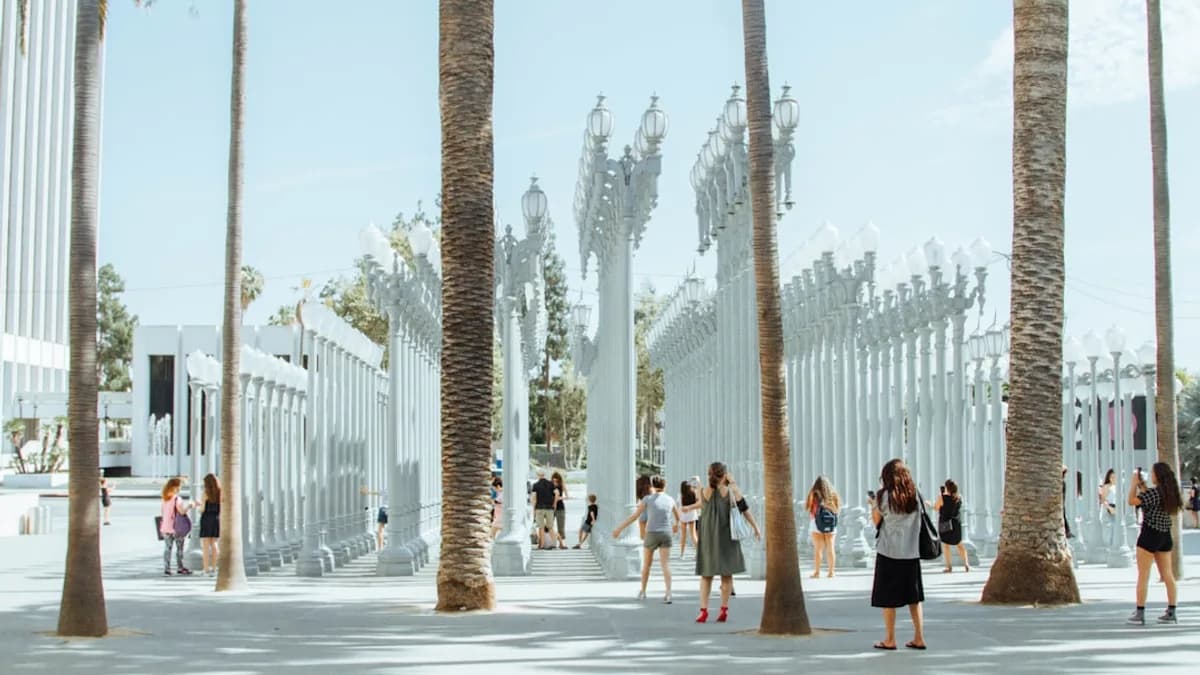
The Los Angeles County Museum of Art (LACMA) has long stood as the city’s preeminent destination for art lovers, bridging the worlds of fine art, architecture, and cultural innovation. With a collection that spans centuries and continents, LACMA is not just a museum—it’s a vital part of Los Angeles’ identity, intertwining with the city’s creative pulse and global reputation. This year, LACMA raised its profile even further by unveiling the David Geffen Galleries, an ambitious new wing designed to redefine the museum’s future and expand its reach.
The opening gala drew some of the most influential figures in art and entertainment, including Star Wars creator George Lucas, renowned artist Ed Ruscha, and sculpture superstar Jeff Koons. Their presence highlighted the event’s significance, signaling LACMA’s evolving role at the intersection of Hollywood glamour and artistic excellence. As the city buzzes about the new galleries, this explainer delves into their architectural vision, cultural impact, artistic highlights, and the controversies that surround them.
The Vision and Design of the David Geffen Galleries
At the heart of LACMA’s transformation is the David Geffen Galleries—a $724 million project conceived to modernize the museum and create a new landmark for Los Angeles. Designed by architect Peter Zumthor, the building breaks with traditional gallery layouts, favoring sweeping curves, elevated walkways, and expansive open spaces. The structure has been described as resembling a “concrete aircraft carrier,” highlighting its imposing scale and unique silhouette within the cityscape [Source: Source].
The investment covers not only the construction of the galleries but also a revamp of the surrounding campus, aiming to seamlessly blend the new building with LACMA’s existing pavilions. The gallery stretches over Wilshire Boulevard, connecting different parts of the museum and offering panoramic views of the city—a nod to both accessibility and architectural ambition. With a floorplan spanning more than 350,000 square feet, the Geffen Galleries rank among the largest museum expansions in recent years, rivaling international institutions in size and scope.
Zumthor’s design focuses on creating an immersive visitor experience, with natural light flooding the galleries and flexible exhibition spaces allowing for dynamic curation. The building’s elevated form also serves practical purposes, freeing up ground space for public plazas and outdoor programming. While the architectural choices have sparked debate—particularly regarding their environmental impact—the galleries are undeniably a bold statement of LACMA’s commitment to innovation and growth.
Artistic Highlights and Featured Collections
The David Geffen Galleries are more than an architectural marvel; they house a diverse and dynamic array of artworks that reflect both LACMA’s storied collection and its forward-looking vision. Visitors can expect to see masterpieces by Ed Ruscha, whose works encapsulate the California spirit and challenge traditional boundaries between art and popular culture [Source: Source]. Jeff Koons’ iconic sculptures are also featured prominently, offering a contemporary counterpoint to more traditional pieces.
David Geffen’s role as a patron and namesake underscores the galleries’ ambition. His significant contributions have enabled LACMA to acquire and display works that might otherwise have eluded the museum’s reach. The influence of Hollywood is palpable—not only in the art on display but also in the artists and collectors involved. George Lucas, a longtime supporter of LACMA, has lent both financial backing and cultural cachet, reinforcing the museum’s ties to the entertainment industry.
The galleries are curated to bridge the gap between fine art and mass culture, reflecting the eclectic tastes of Los Angeles itself. From ancient artifacts to cutting-edge installations, the exhibitions are designed to engage a wide audience, making art accessible and relevant to all. Special programming and rotating shows promise a dynamic visitor experience, ensuring that each trip to the Geffen Galleries offers something new.
The Gala Event: A Star-Studded Celebration
The opening gala for the David Geffen Galleries was a spectacle befitting Los Angeles, blending art, glamour, and philanthropy. Celebrities from both the art world and Hollywood mingled among the exhibits, with George Lucas, Ed Ruscha, and Jeff Koons headlining the guest list. The event was marked by dazzling decor, gourmet cuisine, and live performances, transforming the galleries into a stage for celebration and cultural exchange [Source: Source].
Hollywood’s deep involvement in the gala underscored LACMA’s evolving identity as a cultural crossroads. The presence of film producers, actors, and artists demonstrated how LACMA’s expansion is not just about art—it’s about forging connections across creative industries. Media coverage was extensive, with major outlets reporting on the gala’s exclusivity and significance, and public reception has been largely positive, reflecting the city’s pride in its flagship museum.
The event also highlighted the philanthropic spirit that drives LACMA’s growth. Many attendees were donors and supporters whose contributions have shaped the museum’s trajectory, reinforcing the idea that cultural institutions thrive on both artistic vision and community engagement.
Environmental and Cultural Controversies
Despite the excitement surrounding the new galleries, the David Geffen project has not escaped controversy. Environmental critics have raised concerns about the building’s carbon footprint, particularly given its massive size and use of concrete—a material known for its high emissions [Source: Source]. The description of the galleries as a “concrete aircraft carrier” speaks not only to their architectural scale but also to anxieties about sustainability in an era of climate consciousness.
The debate extends to the cultural domain as well. Some argue that LACMA’s expansion signals a shift toward commercialization, with Hollywood’s influence potentially overshadowing the museum’s artistic mission. The lavish gala and celebrity involvement have fueled questions about whether the museum is prioritizing spectacle over substance. Others worry that the galleries’ size and prominence may dominate the local landscape, changing the character of the surrounding neighborhood.
Balancing artistic ambition with environmental responsibility remains a challenge for LACMA. The museum has pledged to incorporate sustainable practices, but critics contend that the project’s impact should be measured not just in cultural terms but also in ecological ones. Public opinion on the expansion is divided, with some celebrating the museum’s bold vision and others urging greater accountability.
LACMA’s Role in Los Angeles’ Cultural Landscape
With the opening of the David Geffen Galleries, LACMA cements its status as a leading institution in the global art world. The museum’s ability to attract A-list celebrities, world-renowned artists, and visionary patrons speaks to its unique position at the intersection of art, entertainment, and innovation. As Los Angeles continues to grow as a cultural capital, LACMA’s new galleries are poised to influence both local and international conversations about art.
The relationship between LACMA, Hollywood, and the broader community is central to the museum’s future. The galleries are expected to boost tourism, drive economic activity, and foster cultural engagement. They provide a platform for diverse voices and creative expression, helping to define Los Angeles as a city where art and industry coexist.
Looking ahead, LACMA plans to build on the momentum of the Geffen Galleries, expanding programming and outreach to ensure the museum remains relevant and accessible. The institution’s commitment to growth and innovation will shape its impact for years to come, positioning LACMA as a model for other museums navigating the challenges of the 21st century.
Conclusion: The David Geffen Galleries as a Symbol of Art, Ambition, and Debate
The unveiling of the David Geffen Galleries marks a transformative moment for LACMA and Los Angeles. The new wing embodies the city’s spirit of ambition and creativity, bringing together artists, celebrities, and patrons in a celebration of cultural excellence. Yet, the project also raises important questions about sustainability, commercialization, and the evolving role of museums in urban life.
As visitors explore the galleries, they are invited to engage not only with art but also with the debates that shape our cultural institutions. The David Geffen Galleries serve as both a symbol of progress and a catalyst for conversation, reminding us that the pursuit of artistic innovation must be balanced with environmental and social responsibility. Ultimately, LACMA’s latest expansion challenges us to reconsider what museums can be—and what they should strive for—in the cities of tomorrow.