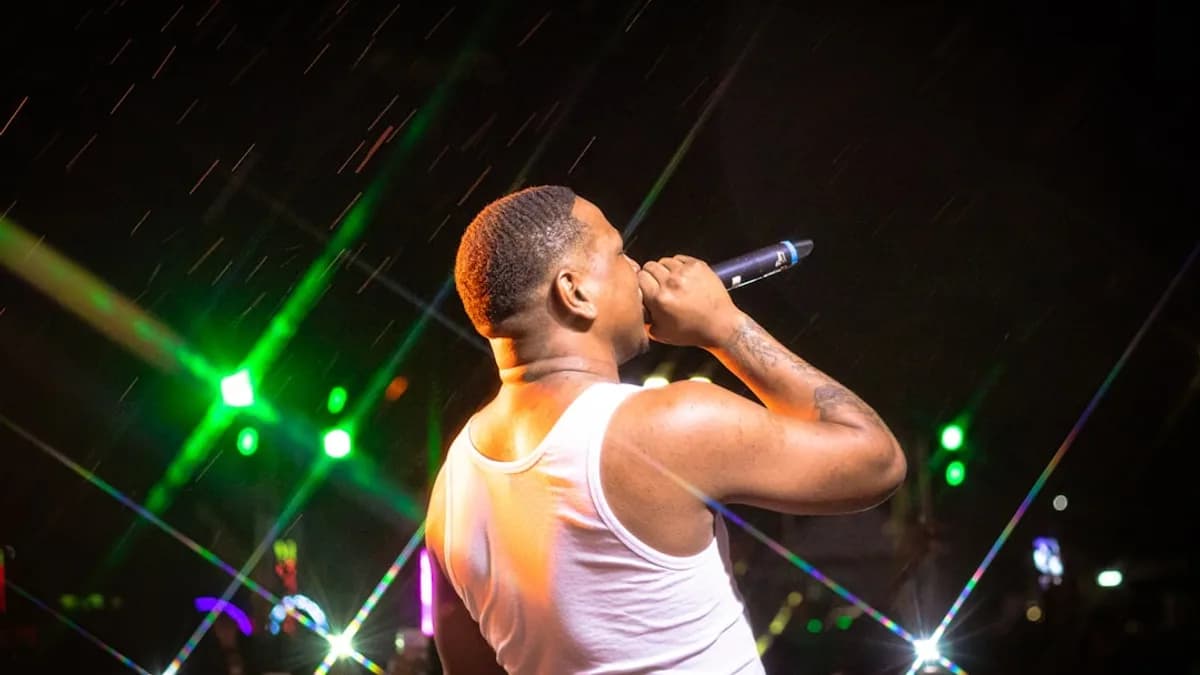
Introduction: The Persistent Spotlight on Kanye West
Few artists have occupied the cultural spotlight with as much persistence—and controversy—as Kanye West. From his genre-defining albums to his unpredictable public persona, West, now known as Ye, has remained a fixture in public discourse for nearly two decades. The latest wave of media attention centers on his repeated attempts to seek forgiveness for past missteps, reigniting debates about the boundaries of accountability, celebrity redemption, and public fatigue. This ongoing cycle raises a central question: Why does Kanye West continue to captivate public attention, even as his actions and apologies fuel fresh controversies? As headlines once again dissect his words and deeds, it’s worth examining what keeps Ye at the center of the conversation—and what that says about the society watching him.
Kanye West’s Controversies: A Timeline
Kanye West’s career has been marked by a series of high-profile incidents that have both fueled his celebrity and sparked widespread backlash. His first major controversy came during the 2009 MTV Video Music Awards, when he interrupted Taylor Swift’s acceptance speech—a moment that quickly became cultural shorthand for celebrity misbehavior. In the years that followed, West’s outspoken nature led to a string of polarizing moments: from his public criticism of President George W. Bush in the aftermath of Hurricane Katrina, to his erratic statements during the 2016 and 2020 presidential campaigns.
More recently, West has faced intense scrutiny for comments widely condemned as anti-Semitic and for his public feuds with fellow artists and fashion industry figures. These incidents have resulted in lost business partnerships and widespread condemnation, yet have also been followed by attempted reconciliations or public apologies [Source: Source].
The pattern is cyclical—West courts controversy, faces backlash, and eventually seeks public forgiveness. Each new episode reignites debates about his intentions, the sincerity of his apologies, and the limits of public patience. This cycle has not only shaped media coverage but has also transformed public perception, with some seeing West as an unfiltered artistic genius and others viewing him as emblematic of celebrity excess gone unchecked.
The Role of Forgiveness in Kanye West’s Public Image
Forgiveness has become a recurring motif in Kanye West’s relationship with his audience. After each controversy, West often issues public apologies, sometimes through social media, interviews, or even in his music. These gestures have ranged from emotional appeals to blunt admissions of fault, as he seeks to reset his public image and re-engage with fans.
Audience reactions to these apologies are mixed. Some fans express empathy, attributing his outbursts to personal struggles or mental health challenges. Others, however, become increasingly skeptical, questioning the authenticity of repeated apologies and growing weary of the cycle [Source: Source]. This reaction is not unique to West, but reflects a broader societal debate about how—and when—public figures should be forgiven.
Psychologically, the willingness to forgive celebrities often hinges on their perceived sincerity, the nature of the offense, and the value fans attach to their work. Culturally, American society has a long tradition of redemption arcs, which allow public figures to rehabilitate their images after transgressions. Yet, as these cycles repeat, there’s greater scrutiny over whether such forgiveness is warranted—or simply a byproduct of celebrity culture’s tendency to overlook bad behavior in favor of entertainment value.
Media Coverage and Opinion: Diverse Perspectives
Media outlets have played a crucial role in shaping the conversation around Kanye West. CNN’s recent coverage encapsulates a mix of disbelief and resignation, as the network notes that “we’re talking about Kanye West again”—highlighting both his enduring relevance and the exhaustion that can accompany his frequent returns to the spotlight [Source: Source].
The New York Times explores the complexities of West’s latest apology tour, questioning how many times fans and the public are willing to grant him a fresh start. Their analysis delves into the sincerity of his requests for forgiveness and whether his actions align with genuine contrition. MS NOW offers a more critical perspective, describing West’s comeback attempts as “sad” and reflective of deeper issues within celebrity culture.
Meanwhile, The Atlantic takes a philosophical approach, pondering why public figures like Ye seek forgiveness in the first place, and what they expect from their audiences. The Economist, on the other hand, frames the discussion as a societal test—asking whether fans and the broader public are too quick to forget or forgive, and what this says about collective memory and accountability [Source: Source].
Across these perspectives, a common theme emerges: media framing significantly influences how the public perceives West’s actions and apologies. Skepticism, empathy, and critique all play a role, shaping a discourse that is as much about society’s values as it is about one individual’s behavior.
Why Does Kanye West’s Story Resonate?
Despite repeated controversies, Kanye West’s story continues to resonate for several reasons. As an artist, West has had an outsized influence on music, fashion, and popular culture. His creative output—from genre-bending albums to high-profile fashion lines—has consistently pushed boundaries and garnered both critical and commercial success. This legacy creates a deep reservoir of goodwill among fans, complicating calls for accountability.
Beyond his artistic achievements, West embodies the archetype of the flawed, yet compelling, celebrity. The public has long been fascinated by redemption narratives, which offer a mix of drama, hope, and catharsis. West’s personal struggles, candidness about mental health, and willingness to defy expectations make him a particularly magnetic figure in these narratives [Source: Source].
At a broader level, West’s story reflects ongoing tensions within celebrity culture: the balance between holding public figures accountable and allowing for personal growth; the role of media in amplifying controversy; and the ways in which collective memory shapes who is allowed to make comebacks—and who is not. In this sense, the discourse around Kanye West is not just about one man, but about the evolving relationship between fame, forgiveness, and cultural values.
Conclusion: The Ongoing Conversation Around Kanye West
Kanye West’s public journey highlights the complexities of fame, accountability, and forgiveness in modern society. His repeated controversies and comeback attempts challenge audiences to reconsider where they draw the line between admiration and critique, between embracing artistry and demanding accountability. The persistent spotlight on West reveals as much about our collective fascination with celebrity as it does about his individual actions.
As the conversation continues, it’s clear that Kanye West’s story is far from over. Future discourse will likely grapple with similar questions—about authenticity, redemption, and the limits of public patience—not only for West, but for other public figures navigating the turbulent waters of fame and controversy. Ultimately, the ongoing debate around Kanye West serves as a mirror, reflecting the complexities and contradictions at the heart of celebrity culture today.