Introduction: Setting the Stage for Coachella 2026
Each spring, Coachella commands the attention of both music lovers and the broader pop culture landscape, setting trends and spotlighting the most influential artists in the industry. In 2026, the festival returned to the Empire Polo Club in Indio, California, with a lineup that sparked fervent conversation even before the first note was played. The anticipation was particularly intense for Justin Bieber’s highly publicized headlining set, marking his comeback to the festival’s main stage. However, the immediate aftermath saw the internet split over Bieber’s unconventional, nostalgia-laden laptop set, igniting passionate debate across social media.
As audiences processed Bieber’s performance, the spotlight shifted to Karol G, who would headline Day 3. Her appearance not only represented a stylistic and cultural departure from Bieber’s set but also hinted at the festival’s ongoing evolution in response to changing musical tastes and calls for greater diversity. This article examines the contrasting receptions of these two headliners, unpacking what their Coachella moments reveal about evolving festival dynamics, artist-audience relationships, and the future of major music events.
Justin Bieber's Laptop Set: A Nostalgia-Fueled but Divisive Performance
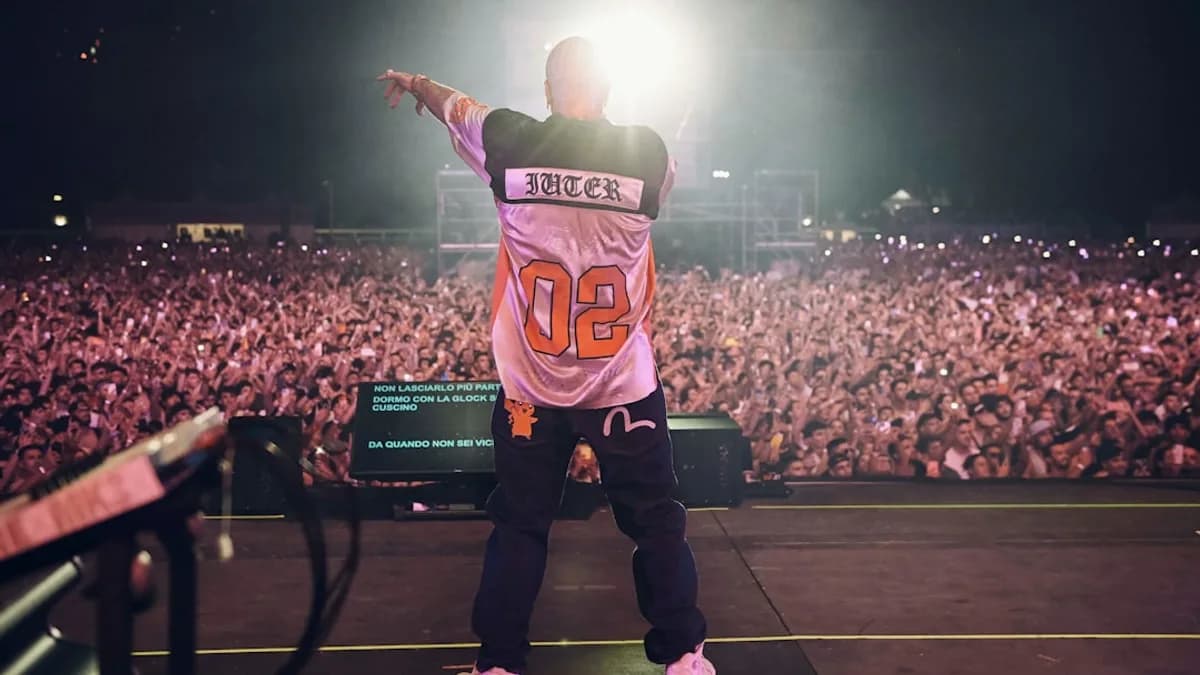
Justin Bieber’s headlining set at Coachella 2026 was among the most anticipated moments of the festival. Promoted as a return to his musical roots, Bieber’s performance leaned heavily into nostalgia, with the singer curating a set from behind a laptop, reminiscent of DJ sets more than traditional live performances. The artist played a selection of his biggest hits, interspersed with personal favorites and remixes, tapping into the collective memory of fans who grew up with his music.
The reaction, however, was anything but uniform. Social media platforms erupted with debate: some fans celebrated the throwback energy and Bieber’s willingness to subvert expectations, while others expressed disappointment over the absence of a full live band or new material. Critics argued that the “laptop set” format lacked the emotional immediacy and showmanship expected of a Coachella headliner, with some questioning whether it matched the festival's high standards for live performance [Source: Source].
The division largely hinged on expectations versus delivery. For longtime Beliebers, the set’s focus on classic hits and remixed arrangements offered a sentimental journey. Yet, many attendees and online commentators felt that Bieber’s approach undersold the immersive, communal nature of the festival experience. The performance also reignited debates about authenticity and artistic evolution in pop music: was Bieber pushing creative boundaries, or retreating into safe territory?
Importantly, Bieber’s choice also fit within a larger narrative of the artist redefining his public persona. After years of personal and professional ups and downs, the set seemed to signal a reflective, if polarizing, chapter. The nostalgic lean could be read as Bieber embracing his legacy, even as some fans hoped for a bolder, more forward-looking artistic statement. Ultimately, the laptop set underscored both the enduring power of Bieber’s catalogue and the heightened scrutiny that comes with a headline slot at one of the world’s most influential festivals [Source: Source].
Hailey Bieber’s Visible Support and Its Impact
While Justin Bieber’s performance drew mixed reviews, one constant was the steadfast presence of his wife, Hailey Bieber. Visible in the audience and on social media, Hailey’s support was not only personal but also strategic, reinforcing the couple’s public narrative of unity and mutual encouragement [Source: Source]. Her presence was widely covered by entertainment outlets, with many noting how she cheered Bieber on from the crowd and shared behind-the-scenes moments.
Celebrity relationships often play a significant role in shaping public perception, and the Biebers are no exception. Hailey’s open encouragement added an emotional layer to the night, humanizing Justin amid the spectacle and controversy. It also fueled fan engagement, with supporters rallying behind the couple and sharing messages of solidarity online.
A particularly poignant moment came when Justin gave a shout-out to “Baby Jack,” a personal reference that resonated deeply with fans [Source: Source]. These glimpses into the Biebers’ private life served to bridge the gap between superstar and audience, reinforcing the role of personal narrative in contemporary music events. In an era where artists’ lives are as scrutinized as their artistry, such moments can heighten emotional investment and shape the broader reception of their work.
Karol G’s Headlining Role on Day 3: A Cultural and Musical Contrast
With the festival’s energy reset after Bieber’s polarizing set, Day 3 brought a fresh wave of anticipation for Karol G’s headlining slot. The Colombian superstar has rapidly ascended in the global music industry, known for her genre-blending approach that fuses reggaeton, Latin trap, pop, and elements of regional Mexican music. Karol G’s presence on the main stage was not only a musical statement but also a testament to the growing influence of Latin artists in mainstream festivals [Source: Source].
Her performance stood in stark contrast to Bieber’s, both in execution and audience reception. Where Bieber opted for a curated, nostalgia-fueled set, Karol G delivered a high-energy, visually dynamic show, marked by live instrumentation, dancers, and vibrant staging. This difference highlighted broader shifts in festival programming, as organizers strive to balance legacy acts with fresh, diverse voices that reflect changing demographics and tastes.
Karol G’s headlining role was significant on multiple fronts. It underscored Coachella’s commitment to diversity and inclusion, with her set representing not just the rise of Latin music, but also the increasing demand for female headliners in a space historically dominated by men. For many in attendance, her performance was a celebration of cultural heritage and a rallying point for underrepresented communities within the festival scene [Source: Source].
Audience and critical expectations for Karol G were heightened by the mixed feelings left in the wake of Bieber’s set. Many fans and commentators saw her show as an opportunity for Coachella to reaffirm its reputation for unforgettable live music experiences. Early reactions suggested that Karol G’s dynamic performance succeeded in reinvigorating the festival crowd, reinforcing her position as a trailblazer and signaling a broader shift in what headline acts can—and should—represent.
Broader Implications for Festival Programming and Artist Reception
The contrasting receptions of Justin Bieber and Karol G at Coachella 2026 offer a revealing snapshot of the evolving challenges and opportunities in festival programming. Headline artists now navigate a complex landscape where audience satisfaction, critical acclaim, and social media narratives are deeply intertwined. Set choices—whether a nostalgia-driven laptop performance or a genre-blending live spectacle—can have lasting impacts on both the event’s reputation and the artists’ trajectories.
For organizers, the divided reaction to Bieber’s set underscores the risks inherent in headline bookings. The choice to feature a global superstar returning to his roots was a calculated gamble, banking on the power of nostalgia and name recognition. However, it also highlighted the importance of aligning artist delivery with audience expectations for live engagement and innovation. On the other hand, Karol G’s success demonstrated the value of embracing emerging trends, diverse genres, and underrepresented voices, aligning with broader cultural shifts and the growing demand for inclusive lineups [Source: Source].
Social media plays a pivotal role in amplifying festival narratives, with real-time reactions shaping public perception and influencing future booking decisions. Viral moments—whether celebratory or critical—can redefine an artist’s reputation overnight and impact ticket sales for future events. The debates sparked by Bieber’s set, alongside the acclaim for Karol G, will likely inform Coachella’s programming strategies for years to come.
For artists, the challenge lies in balancing experimentation with fan service. Headliners are expected to both honor their musical legacy and push creative boundaries, a delicate dance that is increasingly scrutinized on digital platforms. The events of Coachella 2026 suggest that festivals—and their stars—must remain agile, responsive, and attuned to the rapidly shifting tastes of a diverse and vocal audience.
Conclusion: Reflecting on Coachella 2026’s Headliners and Their Legacy
Coachella 2026 served as a microcosm of the music industry’s ongoing transformation, with Justin Bieber and Karol G embodying the tensions and possibilities facing festival headliners. Bieber’s divisive laptop set ignited passionate debate about nostalgia, authenticity, and the role of live performance, while Karol G’s triumphant closer reaffirmed the power of cultural diversity and energetic showmanship [Source: Source].
These contrasting receptions illustrate the evolving dynamics between artists and audiences, as festivals become arenas for both musical innovation and cultural conversation. The impact of Coachella 2026 will reverberate beyond the festival grounds, shaping the careers of its stars and influencing the future of music event programming. As organizers look ahead, the lessons of this year’s headliners are clear: success lies in balancing legacy with innovation, and in amplifying voices that reflect the full spectrum of today’s global music scene.