Introduction: Overview of the Investigation into Lululemon
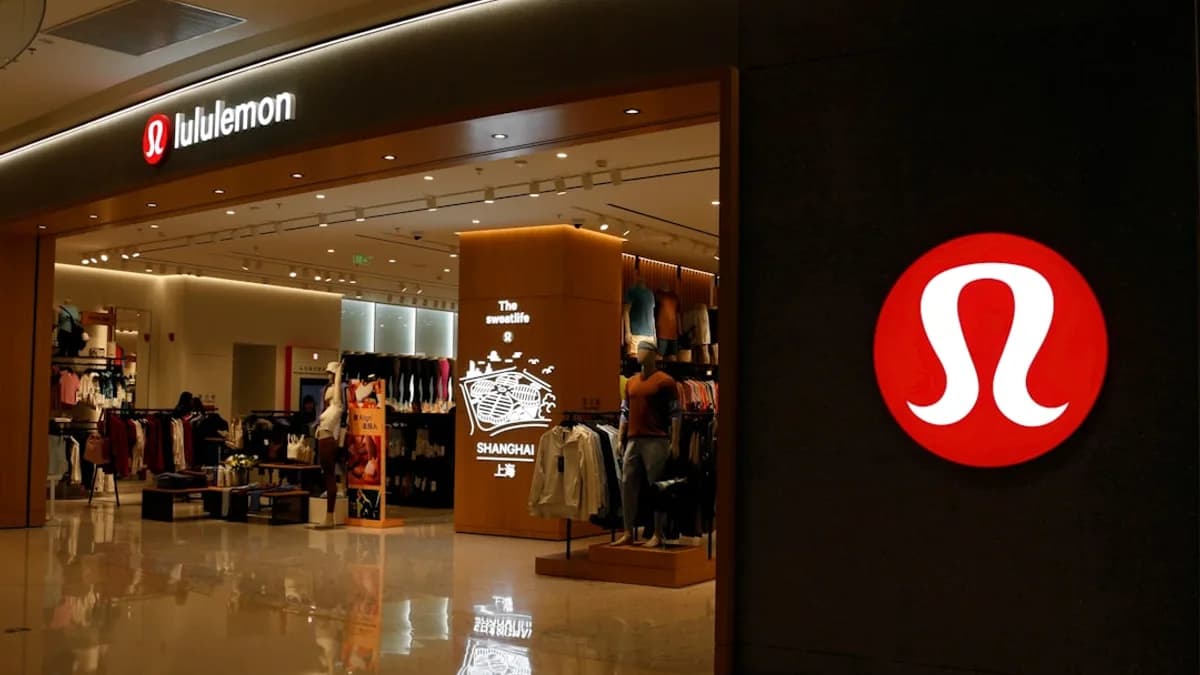
Texas Attorney General Ken Paxton has launched an official investigation into Lululemon, the popular activewear retailer, over concerns about the potential presence of so-called “forever chemicals” in its athletic apparel. The probe seeks to determine whether Lululemon’s products sold to Texas consumers contain per- and polyfluoroalkyl substances (PFAS), a class of chemicals increasingly scrutinized for their long-term health and environmental risks. This move puts Lululemon under the regulatory spotlight at a time when consumer safety and chemical transparency are at the forefront of industry and public concerns. The investigation not only raises questions about Lululemon’s manufacturing practices but also highlights the growing pressure on apparel brands to address potential chemical hazards in their products. The outcome could have wide-ranging implications for the activewear sector and consumer safety standards nationwide [Source: Source].
Background on 'Forever Chemicals' and Their Impact
PFAS, or per- and polyfluoroalkyl substances, are a large group of human-made chemicals widely used since the 1940s. Known for their resistance to heat, water, and oil, PFAS are commonly found in a variety of products, from non-stick cookware and firefighting foams to water-repellent fabrics and food packaging. Nicknamed “forever chemicals” due to their extreme persistence in the environment and the human body, PFAS do not naturally break down and can accumulate over time.
Mounting scientific evidence links PFAS exposure to a range of health risks, including increased cholesterol levels, weakened immune response, decreased fertility, and heightened risk of certain cancers. Environmental studies have also shown that PFAS contamination can spread through water and soil, affecting wildlife and entering the food chain. These concerns have prompted regulatory agencies worldwide to take action. In the United States, the Environmental Protection Agency (EPA) has set limits for PFAS in drinking water and is actively considering further restrictions. Several states have enacted their own PFAS regulations, especially in consumer products like textiles and cosmetics.
Activewear and outdoor apparel frequently use PFAS-based treatments to enhance fabric properties, such as water resistance and stain repellence. While these treatments deliver performance benefits, they also raise the risk of chemical exposure for both consumers and the environment. As public awareness grows, many brands face increasing pressure to eliminate PFAS from their supply chains and to provide greater transparency about the chemicals used in their products [Source: Source].
Details of the Texas Attorney General’s Investigation
The Texas Attorney General’s office has expressed specific concerns that Lululemon may have sold activewear products containing PFAS to consumers in the state. The investigation aims to determine whether Lululemon’s marketing or product claims misrepresented the safety of its apparel or failed to adequately disclose the presence of potentially hazardous substances. According to the Office of the Attorney General, the probe is part of a broader commitment to protect Texas consumers from deceptive practices and health risks associated with toxic chemicals [Source: Source].
The scope of the investigation includes a review of Lululemon’s supply chain, product testing data, and advertising practices related to chemical content. The Attorney General’s office has indicated it will seek to hold the company accountable if any violations of state consumer protection laws are found. Legal consequences for Lululemon could range from fines and mandatory product recalls to broader restrictions on sales within Texas if the company is found to have violated state law.
The investigation also signals a potential shift toward more aggressive enforcement of chemical safety rules in the retail sector. By focusing on a high-profile brand, the Texas Attorney General’s office is sending a clear message to the industry about the importance of transparency and accountability in product safety [Source: Source].
Lululemon’s Response and Company Position
In response to the investigation, Lululemon has stated that it no longer uses PFAS chemicals in its activewear. The company asserts that it has proactively phased out the use of these substances in its manufacturing processes, aligning with growing regulatory and consumer expectations for safer products. “We have eliminated PFAS from our product lineup and are committed to maintaining high standards of chemical safety,” a Lululemon spokesperson said in recent statements [Source: Source].
Lululemon also emphasized its ongoing efforts to monitor and improve product safety, including regular chemical testing and supply chain audits. The company maintains that it is cooperating fully with the Texas Attorney General’s office and is transparent about its product ingredients and manufacturing practices.
While the investigation has sparked concern among some consumers, Lululemon’s swift public response and proactive chemical phase-out measures may help limit reputational damage. Nonetheless, the probe highlights the broader reputational risks that apparel companies face when questions arise about product safety and chemical compliance.
Industry-Wide Implications and Similar Investigations
Lululemon is not the first apparel brand to come under scrutiny for the use of PFAS in consumer products. In recent years, several major retailers and manufacturers—including popular outdoor brands—have faced lawsuits, regulatory action, or public criticism for the potential presence of “forever chemicals” in their products. In some cases, companies have been required to reformulate goods, improve labeling, or pay penalties for failing to comply with emerging PFAS regulations.
The Texas investigation is part of a broader industry trend toward greater chemical transparency and safety. As regulators in the U.S. and abroad tighten restrictions on PFAS, more apparel and footwear companies are being forced to reevaluate their material sourcing, manufacturing processes, and supply chain disclosures. This shift is also driven by increasing consumer demand for products that are both high-performing and safe from harmful chemicals.
Industry experts predict that ongoing scrutiny will accelerate the adoption of alternative, PFAS-free treatments for water and stain resistance in activewear. Some brands have already begun marketing their products as PFAS-free, hoping to gain a competitive edge among health-conscious consumers. At the same time, apparel companies face growing pressure to provide clearer ingredient disclosures and third-party certifications to prove their chemical safety claims.
The rise of investigations like the one in Texas may prompt broader regulatory changes affecting how brands test and report on chemical content. Looking ahead, apparel companies that fail to adapt quickly could face both legal and market consequences, while those embracing transparency and safer alternatives may strengthen consumer trust and brand loyalty [Source: Source].
Conclusion: What to Watch Next
The investigation into Lululemon’s use of “forever chemicals” marks a significant moment for both consumers and the apparel industry. As Texas authorities continue their probe, the case could set important precedents for how chemical safety is regulated and enforced in fashion and retail. Potential outcomes include fines, product recalls, or even new regulatory guidelines for PFAS in textiles.
The timeline for the investigation remains uncertain, but its progress will be closely watched by industry insiders, regulators, and consumers alike. For Lululemon and other activewear brands, the case underscores the importance of proactive chemical management and transparent communication about product safety.
As regulatory attention intensifies, consumers are encouraged to stay informed about the materials in their clothing and to support brands that demonstrate a genuine commitment to safety and sustainability. The growing focus on “forever chemicals” is likely to drive further innovation and transparency in the apparel sector for years to come [Source: Source].