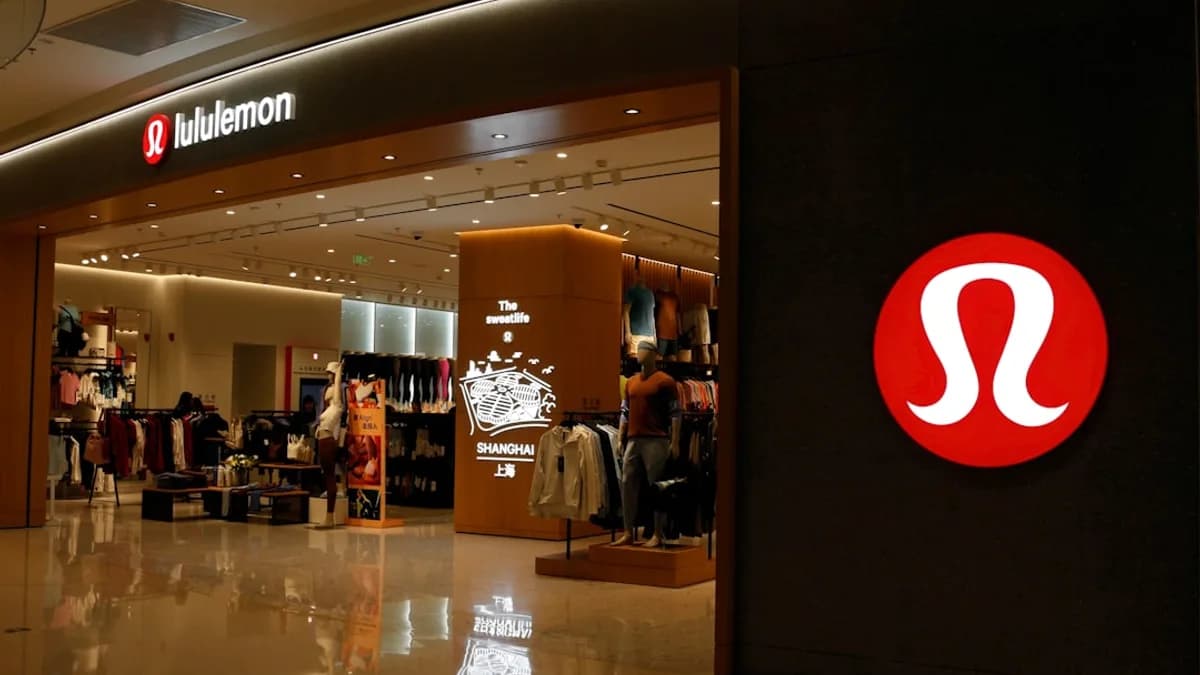
Introduction: Texas Attorney General Launches Investigation into Lululemon
In a move that could have significant implications for the activewear industry, Texas Attorney General Ken Paxton has launched a formal investigation into Lululemon Athletica Inc., focusing on the potential presence of hazardous "forever chemicals" in its popular athletic apparel. The probe centers on whether Lululemon's products contain per- and polyfluoroalkyl substances (PFAS), a class of chemicals that have raised widespread health and environmental concerns due to their persistence and potential toxicity.
The announcement of the investigation sent immediate shockwaves through the market, with Lululemon's stock price slipping as investors reacted to the news and the possibility of regulatory action [Source: Source]. The case highlights growing scrutiny of chemical safety in consumer products and underscores the risks facing companies that may be found in violation of state or federal environmental standards.
Background on 'Forever Chemicals' and Their Health Implications
"Forever chemicals," formally known as PFAS (per- and polyfluoroalkyl substances), are a group of man-made chemicals used for decades in various industrial and consumer applications. These substances are prized for their resistance to water, oil, and stains, making them common in non-stick cookware, waterproof clothing, food packaging, and firefighting foams.
The term "forever chemicals" reflects the remarkable persistence of PFAS in the environment and the human body. Unlike many other chemicals, PFAS do not easily break down, accumulating over time and potentially contaminating soil, water, and living organisms. Their ability to linger for years—if not decades—has made them a focus of environmental and public health concern.
Scientific research has linked some PFAS to a range of adverse health effects. These include an increased risk of certain cancers, immune system suppression, developmental issues in children, hormone disruption, and liver and kidney damage. While not all PFAS are equally dangerous, regulators and health experts warn that even low levels of exposure can be harmful over the long term.
In recent years, PFAS have come under intense regulatory scrutiny. Several U.S. states, as well as federal agencies like the Environmental Protection Agency (EPA), have set limits for PFAS in drinking water and begun investigating their presence in consumer goods. Apparel brands, cookware manufacturers, and other industries have faced lawsuits and enforcement actions after PFAS were detected in products that reach millions of consumers [Source: Source].
Details of the Texas Attorney General’s Investigation
The Texas Attorney General’s probe into Lululemon aims to determine whether the company’s activewear products contain harmful levels of PFAS and, if so, whether the company failed to adequately disclose these risks to consumers. The investigation is expected to encompass a range of Lululemon's high-performance apparel, including yoga pants, sports bras, and outerwear—items marketed for their technical fabrics and moisture-resistant properties, which may rely on chemical treatments.
In a statement, Attorney General Ken Paxton underscored the importance of protecting Texas consumers from potential health hazards: “Texans deserve to know that the products they purchase are safe for themselves and their families. My office is committed to holding companies accountable if they put profits ahead of people’s health” [Source: Source].
The Attorney General’s office is utilizing its authority under Texas consumer protection laws, which allow for the investigation and prosecution of deceptive marketing, failure to disclose material risks, or the sale of hazardous goods. If evidence is found that Lululemon violated these statutes—by containing undisclosed PFAS or making false safety claims—the company could face civil penalties, mandatory product recalls, or requirements to change its manufacturing practices.
The investigation also signals potential for broader legal ramifications. If other states follow Texas’s lead, or if federal agencies step in, Lululemon and similar retailers could be subject to multi-jurisdictional enforcement actions and ongoing compliance monitoring.
Lululemon’s Response and Corporate Position
Lululemon has responded to the Texas Attorney General’s probe by emphasizing its commitment to product safety and transparency. In an official statement, the company said, “We take the safety of our products and the trust of our customers very seriously. Lululemon strictly adheres to all applicable regulations and conducts rigorous testing to ensure our products meet the highest safety standards” [Source: Source].
Historically, Lululemon has promoted its use of advanced materials and sustainable practices, marketing itself as a leader in ethical and responsible manufacturing. The company has previously outlined its efforts to eliminate or reduce hazardous chemicals in its supply chain, including participating in industry initiatives to improve chemical management.
However, the current investigation puts Lululemon’s practices under renewed scrutiny. The company’s reputation for quality and wellness could be jeopardized if the probe uncovers lapses in chemical safety, raising questions among health-conscious consumers about the trustworthiness of its products. In response, Lululemon may need to intensify its testing protocols, improve transparency about its supply chain, and communicate proactively with customers as the investigation unfolds.
Market and Industry Impact
The Texas Attorney General’s announcement had an immediate impact on Lululemon’s stock price, with shares slipping as investors weighed the potential for litigation, regulatory fines, and reputational damage [Source: Source]. The case underscores the growing market risks associated with chemical safety in the apparel industry, where consumer expectations and regulatory scrutiny are at historic highs.
The broader implications for the activewear and apparel sector are significant. As demand for high-performance fabrics grows, so does concern about the chemicals used to achieve water resistance and durability. Retailers and manufacturers may need to invest more heavily in research, product reformulation, and supply chain monitoring to avoid similar investigations or legal actions.
Other industry players are already taking note. Some brands have begun phasing out PFAS from their products, while others are ramping up efforts to certify their apparel as free from harmful chemicals. The probe into Lululemon could accelerate these trends, compelling companies across the sector to adopt stricter standards and more transparent labeling. The supply chains for technical fabrics, in particular, may face new pressures as both regulators and consumers demand greater accountability.
Conclusion: What to Watch Moving Forward
The Texas Attorney General’s investigation into Lululemon marks a pivotal moment for chemical safety in consumer apparel. As the probe unfolds, it will serve as a critical test of industry practices, regulatory oversight, and corporate accountability. Consumers, investors, and competitors alike will be watching closely for new developments, including any findings of PFAS in Lululemon’s products and the company’s response.
The timeline for the investigation remains uncertain, but further actions are likely as laboratory testing and legal review proceed. The case underscores the importance of transparency in manufacturing and the need for robust regulatory mechanisms to safeguard public health.
For consumers, this episode is a reminder to stay informed about the materials in everyday products and to demand greater clarity from brands about their safety practices. As awareness of "forever chemicals" grows, the apparel industry’s commitment to chemical safety will be under the microscope—now and for the foreseeable future [Source: Source].