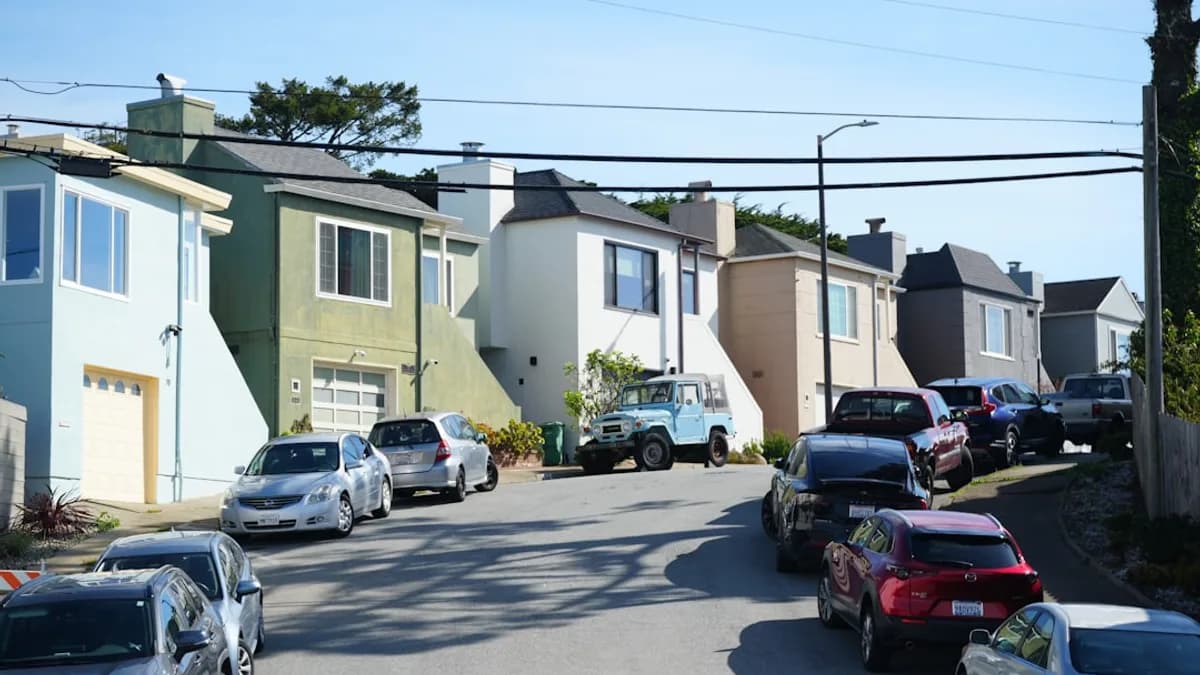
Why San Francisco’s Tech Boom Has Disrupted Its Housing Market
San Francisco’s housing market doesn’t behave like most American cities — and the reason is no secret to anyone watching the city’s tech economy. The city is home to some of the world’s most valuable private tech companies, and their employees aren’t just collecting high salaries. They’re quietly accumulating vast fortunes, and, increasingly, cashing out those windfalls. This pipeline of tech wealth is the invisible force driving the market’s volatility, according to TechCrunch.
The connection is direct. As private tech companies surge in value, employees’ paper wealth turns into buying power. When these employees cash out — whether through a liquidity event, acquisition, or private sales — the influx of real money chases a housing supply that has not kept pace. The result: a market where demand fueled by tech riches outstrips the number of homes available.
This isn’t a slow drift upward. With each new wave of cash-outs, the pool of buyers with the resources to make aggressive offers grows. In a city where “what you can afford” is often set by the latest round of startup success, the housing market becomes a reflection of tech’s boom cycles more than any traditional economic indicator.
How Tech Wealth Translates Into Surging Home Prices in San Francisco
There’s a simple mechanism at work: as employees of valuable private tech companies cash out fortunes, that capital floods into the housing market. The source only notes that this trend is accelerating, with more tech workers converting their illiquid equity into spendable cash. Each time this happens, purchasing power spikes among a select group — often enough to impact local pricing.
Private company valuations are the engine here. When these valuations soar, so does the theoretical wealth of employees. What matters is when that theoretical wealth becomes real. The more often tech fortunes are liquidated, the more fuel gets thrown on the city’s already combustible housing market.
While the TechCrunch report doesn’t provide specifics on bidding wars, all-cash deals, or shifts in market norms, the implication is clear: the influx of tech capital is distorting home prices in ways untethered from median incomes or fundamentals. The price of a home in San Francisco is increasingly a function of who just got paid out by the latest tech unicorn — not broader market forces.
What Makes San Francisco’s Housing Market Different From Other Cities
San Francisco’s housing market isn’t just expensive — it’s uniquely shaped by its local tech economy. The city’s role as a magnet for high-growth startups creates a concentrated pool of wealth. This isn’t a phenomenon you see in most other cities.
The TechCrunch report points to the city’s status as a nexus for private company riches. When those fortunes are cashed out, the effect is local and immediate. Other cities may have high earners, but few see such a direct pipeline from private tech valuations into homebuying.
What’s missing from the source is detail on supply constraints, zoning, or how these factors interact. What is clear: the effect is not accidental. It’s a product of geography, industry, and timing — and it puts San Francisco in a category of its own when it comes to price volatility and exclusivity.
How Rising Housing Costs Affect San Francisco’s Broader Community and Economy
The human cost of this market dynamic is harder to measure, and the TechCrunch source doesn’t break out specifics. But one consequence is clear: as tech wealth floods into housing, it changes who can afford to live in the city.
While the article doesn’t detail the challenges for non-tech residents or local businesses, it’s not a leap to infer that a market driven by sudden tech cash-outs creates barriers for those without similar windfalls. The more home prices reflect tech payouts, the less they reflect the broader workforce’s ability to pay.
What remains unclear is the scale of displacement or the impact on the city’s economic diversity. The source does not address policy debates or community responses, so any further conclusions would be speculative. The fact on the ground is that housing affordability is being reshaped by the fortunes of a relatively small cohort with access to private tech wealth.
What Can Be Learned From a Recent Case Study of a Tech Employee’s Home Purchase
The TechCrunch article does not provide a granular case study or individual stories, so we don’t have concrete numbers on a tech worker’s path from equity to home ownership. However, it does confirm the high-level pattern: employees of valuable private companies are cashing out, and those liquid fortunes are directly fueling home purchases.
This cycle — accumulate equity, wait for the right exit, buy into the city’s scarce housing stock — is the defining trend. Without specifics on transaction size or the mechanics of individual deals, we can’t say how representative any one case might be. But the pattern points to a market where traditional buyers are increasingly competing with tech employees flush with newfound cash.
The sustainability of this model is an open question. If tech valuations drop or the flow of liquidity events slows, the market could shift rapidly.
What We Know, What Remains Unclear, and What to Watch
We know that San Francisco’s housing market is being radically reshaped by the fortunes of its private tech sector, as high-value exits and cash-outs pump buying power into a limited supply of homes. This dynamic is accelerating, according to TechCrunch.
What’s still unclear: the precise mechanisms by which equity is converted to home purchases, the scale of displacement for non-tech residents, and the long-term impact on the city’s social and economic fabric. The article doesn’t address policy responses, neighborhood-level effects, or the sustainability of current trends.
What to watch: future liquidity events in the tech sector, shifts in private company valuations, and any signs that this pipeline of wealth is slowing or accelerating. If the influx of tech capital continues, expect further volatility and exclusivity. If it dries up, the market could face a reckoning. For now, the city’s housing market remains a mirror of its tech economy — for better or worse.
Impact Analysis
- Tech wealth is driving unprecedented volatility and price surges in San Francisco's housing market.
- Limited housing supply means cash-rich buyers can aggressively outbid traditional buyers, worsening affordability.
- The city’s housing prices have become increasingly tied to tech sector fortunes rather than broader economic trends.