Introduction: QVC's Bankruptcy Filing and Its Industry Impact
QVC, recognized as a trailblazer in home shopping networks, has long been a fixture in the retail landscape, offering millions of viewers live product demonstrations and direct-to-consumer sales from the comfort of their homes. This week, QVC’s parent company, Qurate Retail Group, announced it was filing for Chapter 11 bankruptcy protection, marking a pivotal moment for both the company and the wider retail and media industries [Source: Source]. The news underscores the mounting pressures facing traditional retailers, especially those rooted in legacy media formats, as consumer habits shift toward digital and social commerce. In this article, we delve into the details surrounding QVC’s bankruptcy filing, examine the financial implications, assess its impact on shoppers and operations, and explore the company’s future strategy amid an evolving retail ecosystem.
Details of the Bankruptcy Filing
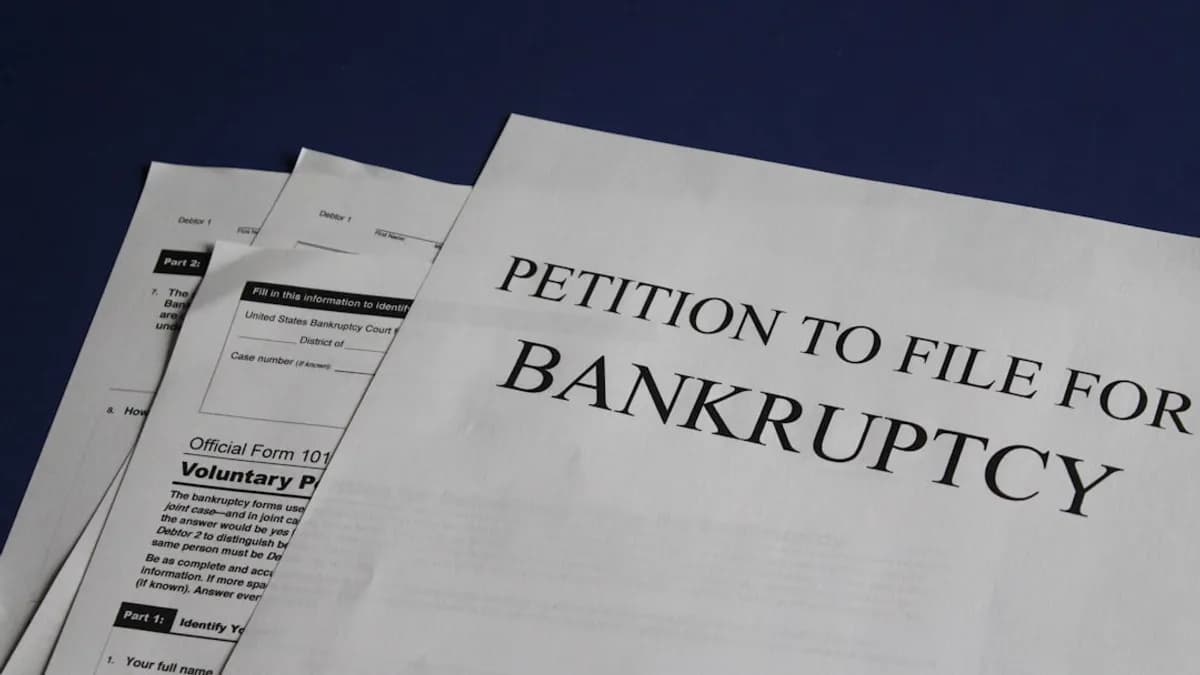
Qurate Retail Group, QVC’s parent company, has initiated Chapter 11 bankruptcy proceedings, a legal process that allows companies to reorganize their debts while continuing to operate. Unlike Chapter 7, which involves liquidation, Chapter 11 is designed to give struggling companies breathing room to restructure and emerge financially stronger. Qurate’s filing comes in response to a substantial debt load—reported at $6.6 billion—which has become unsustainable in light of declining revenues and shifting market dynamics [Source: Source].
According to QVC Group’s official statements, the bankruptcy is intended to “significantly strengthen the company’s financial position” as it advances its live social shopping growth strategy [Source: Source]. The filing includes a plan to negotiate with creditors and reduce outstanding obligations, aiming to improve liquidity and stabilize operations. Immediate steps following the announcement involve continued business operations, reassuring employees and customers that QVC’s broadcasts and online platforms will remain active during the restructuring process [Source: Source]. The timeline for the bankruptcy proceedings is expected to unfold over several months, with Qurate working closely with legal counsel, financial advisors, and its creditor groups to reach a viable agreement.
Financial Implications and Debt Restructuring
The primary goal of QVC’s Chapter 11 filing is to overhaul the company’s debt structure, allowing it to shed liabilities and regain financial footing. The $6.6 billion debt figure is a result of years of mounting obligations, exacerbated by declining sales, increased competition from e-commerce giants, and changing consumer preferences [Source: Source]. Under the bankruptcy plan, Qurate will negotiate new terms with creditors, which may involve debt-for-equity swaps, extended repayment schedules, or reductions in principal owed.
This restructuring process is critical for QVC’s financial health and operational stability. By alleviating debt pressures, the company aims to free up capital for investment in technology, marketing, and new business initiatives. Creditors and investors play a pivotal role, as their willingness to accept revised terms will determine the success of the restructuring. Early indications suggest that QVC’s balance sheet could be significantly improved post-bankruptcy, with enhanced liquidity and a more manageable debt profile [Source: Source]. However, the process carries risks, including potential asset sales or changes to corporate governance, as the company navigates negotiations with stakeholders.
Impact on Shoppers and Business Operations
For QVC’s loyal customer base, the bankruptcy filing raises questions about the continuity of their shopping experience. QVC Group has sought to reassure shoppers that operations will proceed as usual during the restructuring, with no immediate disruptions to product availability, customer service, or delivery timelines [Source: Source]. The company is emphasizing its commitment to advancing its live social shopping growth strategy, which involves leveraging digital platforms and interactive broadcasts to engage consumers.
While short-term changes to pricing, promotions, or customer policies are not anticipated, the restructuring could lead to longer-term adjustments as QVC adapts to a more competitive retail market. The focus on live and social shopping is expected to remain central, with investments in technology and content aimed at enhancing engagement and convenience for shoppers [Source: Source]. Customers may also benefit from renewed efforts to innovate and improve the shopping experience, as QVC seeks to differentiate itself from e-commerce rivals.
QVC’s Strategic Vision Moving Forward
QVC Group’s future strategy centers on a transformational shift toward live social shopping—a format that blends real-time product demonstrations, influencer engagement, and interactive digital platforms. The bankruptcy restructuring is viewed as an opportunity to strengthen QVC’s market position by investing in new technologies and expanding its reach across digital channels [Source: Source]. As part of this vision, QVC is exploring innovations such as shoppable livestreams, personalized recommendations, and enhanced mobile experiences to capture younger, digitally-savvy audiences.
The company has announced initiatives aimed at adapting to changing consumer behaviors, including partnerships with social media platforms and expansion into new product categories. Post-bankruptcy, QVC’s long-term goals include sustainable growth, improved profitability, and leadership in the live shopping space. By leveraging the financial flexibility gained through debt restructuring, QVC hopes to reinvigorate its brand and remain relevant in a rapidly evolving retail landscape [Source: Source].
Industry and Market Reactions
Industry analysts and experts have weighed in on QVC’s bankruptcy filing, noting its implications for the broader home shopping and e-commerce sectors. Many view the move as a reflection of the challenges facing traditional retailers, particularly those reliant on legacy media and direct-to-consumer formats [Source: Source]. Competitors in the home shopping space, such as HSN and various online marketplaces, are monitoring the situation closely, as QVC’s restructuring could lead to shifts in market share and competitive dynamics.
Investor sentiment has been mixed, with some expressing concern about the company’s long-term viability, while others see potential for a turnaround if the restructuring is successful. The stock market response has been muted, reflecting uncertainty about the outcome of the bankruptcy process. More broadly, QVC’s filing highlights ongoing trends in retail finance, including rising bankruptcy rates among brick-and-mortar and legacy media retailers, as digital-first models gain prominence [Source: Source]. Analysts suggest that the case may serve as a bellwether for other companies facing similar financial pressures.
Conclusion: What QVC’s Bankruptcy Means for the Future of Home Shopping
QVC’s Chapter 11 bankruptcy filing marks a turning point for the iconic home shopping network and signals broader shifts within the retail and media industries. By restructuring its $6.6 billion debt, QVC aims to secure its financial future and accelerate its transformation into a leader in live social shopping [Source: Source]. The company’s legacy as a pioneer in televised retail remains intact, but its ongoing influence will depend on successful adaptation to digital consumer trends and competitive challenges.
For other retailers, QVC’s experience offers important lessons about the need for financial discipline, innovation, and responsiveness to evolving customer behaviors. As the landscape for retail and live shopping continues to change, companies that embrace new technologies and business models are most likely to thrive. QVC’s journey through bankruptcy may ultimately pave the way for a revitalized and more resilient home shopping industry.