
Introduction: QVC's Bankruptcy Filing Shakes the Cable Industry
The cable industry was rocked this week by the announcement that QVC’s parent company, QVC Group, has filed for bankruptcy protection. As one of the most recognizable names in home shopping and a major cable channel, QVC’s move marks a pivotal moment for both the retail and media sectors. Founded as a pioneer in live shopping television, QVC has long been a staple in American households, offering viewers a unique blend of entertainment and commerce. The bankruptcy filing not only highlights the ongoing financial challenges faced by traditional cable networks, but also signals a potential shift in how consumers interact with televised retail platforms. This article explores the details of QVC’s bankruptcy, its historical significance, the company’s restructuring plans, and the broader implications for the cable and retail industries [Source: Source].
Background: QVC’s Rise and Role in the Cable and Retail Landscape
QVC’s story began in 1986, when the channel launched as a groundbreaking platform connecting consumers directly to products through live television broadcasts. Its innovative home shopping format quickly gained traction, making QVC a household name and spawning imitators across the globe. The network’s blend of entertainment and retail proved especially popular among cable subscribers, who enjoyed the convenience of shopping from home and the thrill of live product demonstrations.
Over the years, QVC expanded its reach, both geographically and digitally. The channel invested heavily in online commerce, mobile apps, and social media integration, positioning itself as a leader in what it now calls “live social shopping.” This evolution was supported by its parent company, QVC Group, which oversees a portfolio of retail brands and media properties. Despite its early success and continued innovation, QVC faced mounting challenges in recent years. The rise of e-commerce giants, shifting consumer habits, and increasing competition from digital platforms chipped away at its market share.
Financially, QVC struggled to maintain growth amid these headwinds. Revenue stagnated, and the company incurred significant debt to fund expansion and technology upgrades. While QVC remained a formidable presence in cable television, its dependence on traditional broadcast methods became a liability as audiences migrated to streaming and digital-first platforms. These factors, combined with broader economic pressures, set the stage for the bankruptcy filing that has now placed QVC’s future in question [Source: Source].
Details of the Bankruptcy Filing
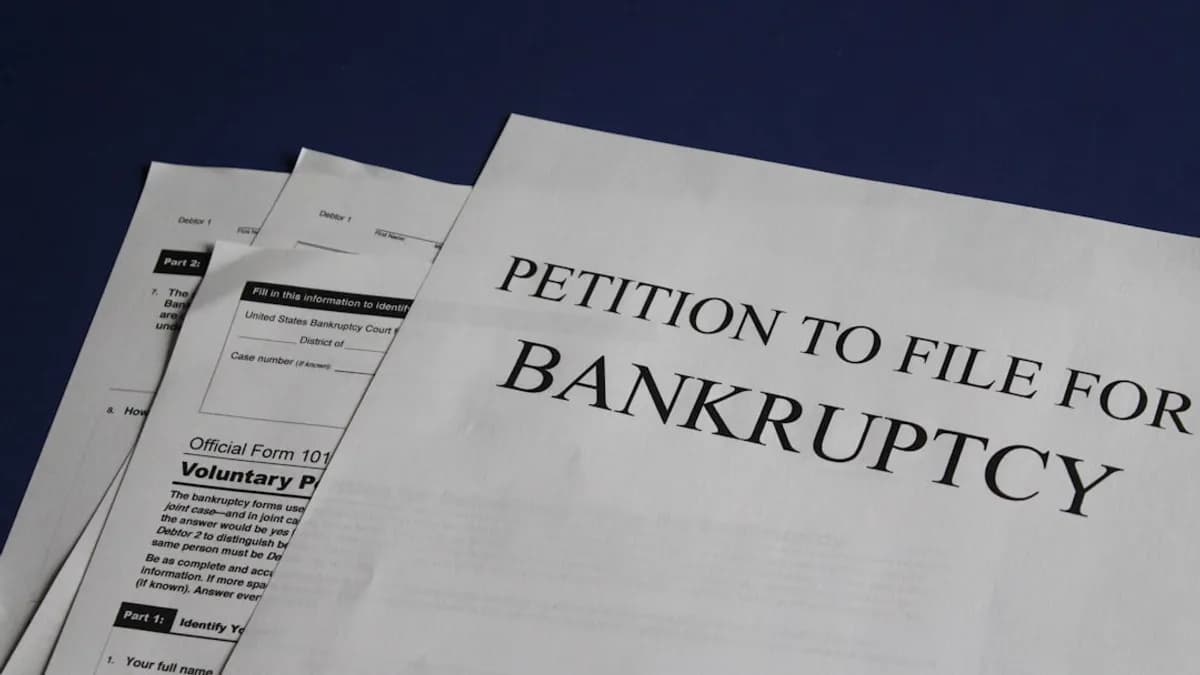
QVC Group’s bankruptcy filing was made public this week, formally submitted in federal court as part of a broader financial restructuring effort. According to statements from the company, the filing aims to reduce QVC’s debt burden by approximately $5 billion, a move designed to stabilize its finances and ensure continued operations [Source: Source]. The bankruptcy process will allow QVC Group to reorganize its obligations, negotiate with creditors, and prioritize essential business units.
In an official statement, QVC Group said the restructuring “will significantly strengthen our financial position as the company continues advancing our transformational live social shopping growth strategy.” The company emphasized that day-to-day operations, including broadcasting and product fulfillment, will continue uninterrupted during the bankruptcy proceedings. However, legal experts note that bankruptcy protection often means tough negotiations with creditors, possible asset sales, and changes to existing contracts.
For investors, the filing raises questions about the future value of QVC shares and the likelihood of recovery on existing investments. Creditors may face extended timelines for repayment, with some potentially absorbing losses depending on the outcome of court negotiations. The bankruptcy process is expected to be closely watched by retail analysts and financial institutions, given QVC’s profile and the size of its debt reduction plan. Stakeholders are being assured that the company remains committed to innovation and customer engagement even as it navigates this challenging period [Source: Source].
QVC’s Strategic Plan Post-Bankruptcy
Emerging from bankruptcy, QVC Group has laid out a strategic plan to regain its competitive edge and adapt to the rapidly evolving retail landscape. The company’s primary goal is to leverage its renewed financial stability to further its “transformational live social shopping growth strategy.” This approach focuses on integrating live broadcasting with interactive digital platforms, encouraging real-time engagement between hosts, guests, and viewers.
QVC’s leadership believes that these innovations will help the channel recapture audience interest and drive sales among younger, tech-savvy shoppers. The restructuring is expected to free up capital for investment in technology upgrades, expanded streaming capabilities, and new partnerships with influencers and brands. Operationally, QVC may adjust its programming mix, enhance its digital storefront, and explore additional collaborations with social media platforms to reach broader demographics.
While the company has not announced any immediate layoffs or closures, industry observers anticipate that QVC will closely evaluate its cost structure and operational footprint as part of the post-bankruptcy transition. The ultimate goal is to create a more agile, responsive business that can thrive amid changing consumer habits and increased competition from online retailers and streaming platforms [Source: Source].
Industry and Market Reactions
The news of QVC’s bankruptcy filing has prompted swift reactions across the cable and retail industries. Analysts note that QVC’s troubles reflect broader challenges facing traditional cable networks, which are grappling with declining viewership and fierce competition from digital-first platforms [Source: Source]. Many experts see QVC’s restructuring as a necessary step to modernize its business and stay relevant in an increasingly online world.
Competitors such as HSN and other home shopping channels are closely monitoring the situation, as QVC’s actions could influence their own strategies and market positioning. Some retailers view the bankruptcy as an opportunity to capture displaced customers, while others worry about the potential disruption to supply chains and industry partnerships.
Investor response has been mixed, with some expressing concern about the long-term viability of cable shopping networks and others optimistic about QVC’s renewed focus on innovation and technology. The bankruptcy is also likely to have ripple effects on related media and shopping platforms, as companies reevaluate their approaches to live commerce and interactive retail experiences [Source: Source].
Conclusion: What QVC’s Bankruptcy Means for the Future of Cable Shopping Networks
QVC’s bankruptcy filing marks a turning point for the home shopping industry and cable networks at large. As the company embarks on a major restructuring, its efforts to advance live social shopping and digital engagement will serve as a test case for other traditional media businesses seeking to adapt. The outcome of QVC’s transformation will not only determine its own fate, but also shape the trajectory of televised retail in a world increasingly dominated by streaming and e-commerce.
While uncertainty remains, QVC’s commitment to innovation and customer engagement suggests that the channel is poised to reinvent itself for a new era. As cable shopping networks face mounting pressure to evolve, QVC’s experience underscores the need for agility, investment in technology, and a willingness to embrace change. The coming months will reveal whether these strategies can revive the fortunes of one of America’s most iconic retail brands—and redefine the future of home shopping for the cable industry [Source: Source].