
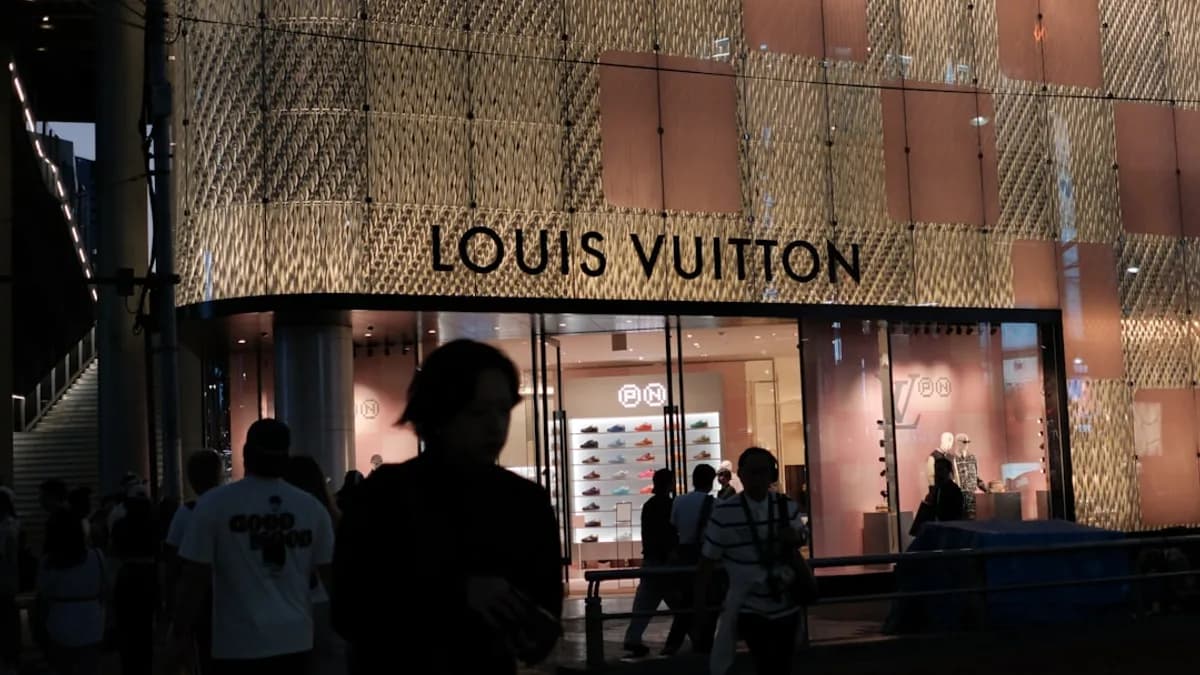



Introduction: LVMH’s Recent Financial Performance and Market Context
LVMH Moët Hennessy Louis Vuitton, commonly known as LVMH, stands as the world’s largest luxury goods conglomerate. Home to iconic brands like Louis Vuitton, Dior, and Moët & Chandon, the group is considered a bellwether for the global luxury market. The company’s latest quarterly report, however, signals a notable shift in industry fortunes. For the first quarter of 2024, LVMH missed revenue expectations, posting a decline in sales for its flagship fashion division—down 2% compared to the previous year [Source: Source]. This underperformance comes at a time when luxury market watchers had hoped for a strong rebound after pandemic-related disruptions. Instead, renewed geopolitical tensions, especially the ongoing war in the Middle East, have tempered consumer sentiment and spending, raising questions about the resilience of high-end brands amid global uncertainty.
Understanding LVMH’s Revenue Miss: Key Factors at Play
The reported revenue miss by LVMH is rooted in several intersecting challenges. The 2% drop in its fashion and leather goods sales reflects waning demand for its core offerings, including Louis Vuitton handbags and apparel, which are typically considered a reliable growth engine for the group [Source: Source]. Analysts attribute much of this weakness to the fallout from the Middle East conflict, which has not only dampened consumer confidence in the region but also reverberated across international markets.
Geopolitical instability has historically impacted luxury spending, as affluent consumers often pull back on discretionary purchases during periods of uncertainty. The Middle East, a key hub for luxury consumption, has seen a slowdown in demand—both from local clients and from tourists who typically shop in Europe and Asia. This has contributed to weaker foot traffic in flagship stores and softer sales figures. Additionally, supply chain disruptions, lingering inflationary pressures, and currency volatility have added further complexity. In several markets, price increases to offset costs have met resistance from customers, while regional variations—such as slower growth in Asia and uneven recovery in Europe—have compounded the revenue shortfall [Source: Source].
Beyond consumer demand, LVMH’s performance is influenced by broader economic factors. Inflation continues to erode purchasing power, affecting both entry-level luxury buyers and ultra-high-net-worth individuals. Fluctuations in the euro and other currencies have also distorted reported revenues, making growth harder to achieve in constant currency terms. All these elements underscore the sensitivity of luxury sales to both macroeconomic and geopolitical shifts.
The Middle East War’s Impact on Luxury Market Dynamics
The ongoing conflict in the Middle East has uniquely disrupted luxury market dynamics. Traditionally, Middle Eastern consumers are among the world’s most significant purchasers of high-end goods, with a penchant for shopping abroad during travel. As tensions escalate, however, there has been a marked reduction in outbound tourism from the region, curtailing purchases in luxury hotspots such as Paris, Milan, and London [Source: Source]. This drop in international visitors translates into lower sales for brands like Louis Vuitton, which rely heavily on tourist spending.
Furthermore, the uncertainty surrounding the conflict has led to increased volatility in financial markets and currency exchange rates. Such instability affects luxury pricing and profitability, as brands struggle to maintain margins amid fluctuating costs and uneven demand. Travel restrictions and heightened security concerns have also posed logistical challenges, making it harder for luxury groups to organize marketing events, trunk shows, and product launches that are central to cultivating high-value clientele.
The ripple effects extend beyond the Middle East itself. Investors and stakeholders interpret the conflict as another layer of risk in an already fragile economic landscape. Luxury goods, which depend on aspirational messaging and global mobility, are particularly vulnerable to shifts in sentiment. When confidence falters, so does the willingness to invest in non-essential purchases, further eroding sales momentum.
Luxury Market Recovery: Why the Rebound is on Pause
Prior to the recent geopolitical upheaval, the luxury sector had shown promising signs of recovery following pandemic lows. Robust demand in Asia, particularly China, helped offset weaknesses in other regions, and major brands reported double-digit growth in 2022 and early 2023. LVMH itself had set high expectations for a continued rebound, buoyed by pent-up demand and a growing affluent consumer base [Source: Source].
However, the war in the Middle East has abruptly interrupted this recovery trajectory. The diminished appetite for luxury goods among Middle Eastern buyers, coupled with broader economic uncertainty, has led to a pause in growth. Other luxury brands, such as Kering and Richemont, face similar headwinds, reporting uneven results and cautious outlooks as global consumers recalibrate spending. The sector’s reliance on international tourism and cross-border shopping makes it especially susceptible to disruptions in travel and geopolitical stability. As a result, hopes for a swift return to pre-pandemic growth now appear premature.
What This Means for LVMH and the Luxury Industry Going Forward
In response to these challenges, LVMH and its peers are likely to reassess their strategies for navigating geopolitical risk. Diversification across regions and product categories may become more pronounced, as brands seek to insulate themselves from localized shocks. Investments in digital channels and direct-to-consumer sales could help mitigate the loss of tourist-driven revenue, while targeted marketing in relatively stable markets may offer pockets of growth [Source: Source].
For investors and stakeholders, the current environment underscores the importance of agility and risk management in the luxury sector. While the long-term outlook for high-end consumption remains positive—driven by generational wealth transfer and expanding middle classes—the near-term is marked by heightened uncertainty. Market analysts will be watching for signals of recovery, such as renewed travel flows, stabilized currencies, and improving consumer sentiment. Until then, cautious optimism and strategic adaptation will define industry responses.
Conclusion: Navigating Uncertainty in the Luxury Sector
LVMH’s recent sales miss is emblematic of the broader challenges facing the luxury industry as geopolitical instability, particularly the Middle East war, temporarily stalls growth and dampens hopes for a robust recovery. The sector’s performance is intricately tied to global economic confidence, travel patterns, and regional demand—all of which remain unsettled in the current environment. For luxury brands, maintaining resilience will require navigating uncertainty with strategic flexibility and vigilance. As the situation evolves, industry observers will be keen to monitor signs of stabilization and potential recovery, recognizing that geopolitical stability is essential for luxury’s continued success [Source: Source].