Introduction: Lucid's Strategic Moves in the Robotaxi Market
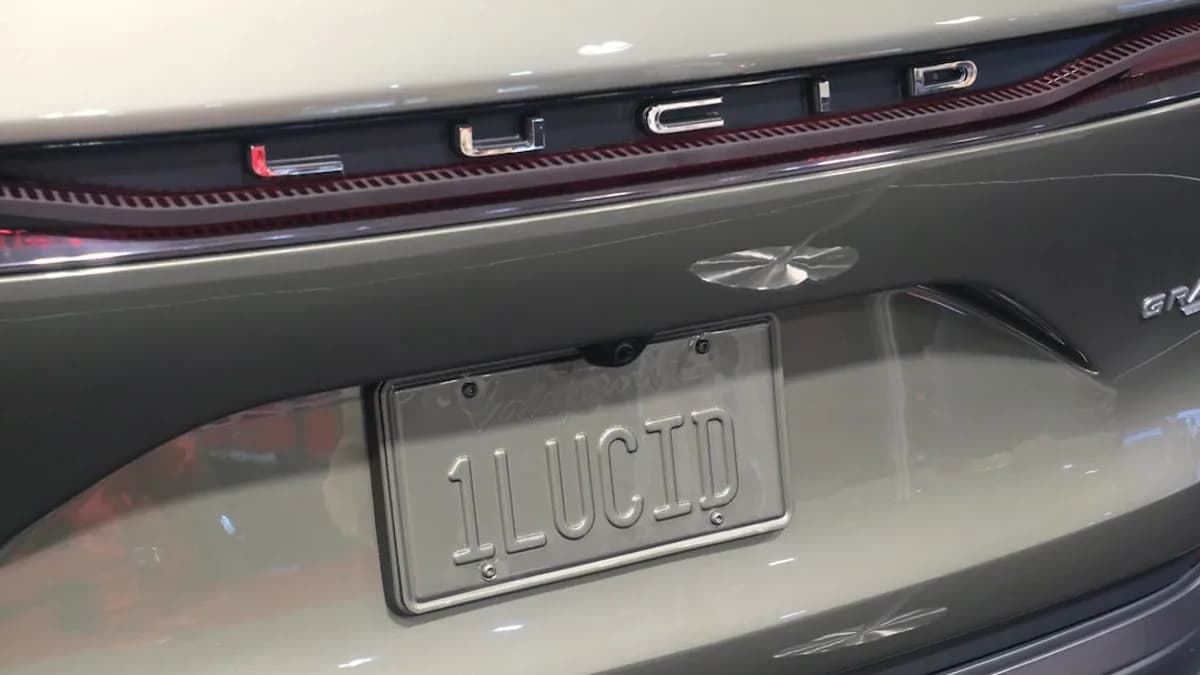
Lucid Motors, a prominent player in the luxury electric vehicle (EV) space, is making decisive moves to deepen its footprint in the burgeoning autonomous mobility sector. On Tuesday, the company announced two major developments: an expanded robotaxi partnership with Uber and the appointment of a new CEO. Uber, one of the world’s leading on-demand transportation platforms, will now increase its order of Lucid Gravity SUVs for its autonomous fleet from 20,000 to 35,000 vehicles. This significant uptick not only underscores Uber’s ambitions to scale its robotaxi services but also marks a pivotal moment for Lucid as it seeks to secure steady revenue streams and broaden its influence beyond private EV sales.
Adding another layer of intrigue, Lucid’s new CEO arrives not from the automotive industry, but from the world of elevators and moving walkways—a move that signals a possible strategic realignment. Together, these announcements reflect Lucid’s intent to diversify its leadership and capitalize on the accelerating convergence of luxury EVs and autonomous mobility services [Source: Source].
Expanding the Robotaxi Partnership: Implications of Uber’s Increased Order
Uber’s decision to expand its order from 20,000 to 35,000 Lucid Gravity SUVs marks a bold escalation in the companies’ shared vision for a driverless future. For Lucid, this is more than just a sales bump; it represents a major validation of its technology and manufacturing capabilities. Fulfilling such a large order will stress-test Lucid’s production capacity—a critical consideration for a company competing with established EV giants like Tesla and legacy automakers pivoting toward electrification.
The transition from 20,000 to 35,000 vehicles demands robust supply chain management, procurement of components at scale, and the ability to deliver on time—areas where even seasoned automakers have faced challenges amid recent global disruptions. Lucid will need to ensure it can ramp up manufacturing without compromising the luxury quality and technical sophistication that define its brand. Successfully executing this order could help Lucid achieve greater economies of scale, drive down per-unit costs, and reinforce investor confidence in its long-term prospects [Source: Source].
For Uber, the increased order signals a doubling down on its autonomous fleet ambitions. The expanded partnership with Lucid positions Uber to accelerate deployments in key urban markets and potentially leapfrog competitors in the robotaxi race. By securing access to thousands of premium electric SUVs, Uber can offer differentiated autonomous experiences to both riders and regulators, who are paying close attention to safety, comfort, and environmental impact. This move also helps Uber diversify away from reliance on third-party vehicle suppliers, giving it more control over fleet standards and operational data.
Market analysts view the expanded deal as a potential revenue catalyst for both firms. For Lucid, fleet sales offer a recurring income stream less susceptible to the cyclical swings of consumer demand. For Uber, an exclusive or semi-exclusive arrangement with a luxury EV maker could translate to premium pricing, higher utilization rates, and a stronger case for regulatory approval in markets that prioritize sustainability and advanced mobility solutions. The deal further underscores the evolving relationship between automakers and mobility platforms—a space where collaboration, rather than competition, increasingly drives innovation [Source: Source].
The Role of Nuro and Autonomous Delivery in the Robotaxi Ecosystem
Nuro, a leading autonomous delivery startup, plays an important but sometimes overlooked role in the robotaxi ecosystem. In the original deal announced last year, Nuro joined forces with Lucid and Uber to supply self-driving technology and delivery solutions that would bolster the combined offering [Source: Source]. Nuro's expertise in autonomous navigation and compact delivery vehicles complements the passenger-oriented focus of Lucid’s Gravity SUVs, creating an integrated ecosystem for both people and goods movement.
The intersection of robotaxi and autonomous delivery services illustrates the growing synergies in the autonomous mobility landscape. While robotaxis ferry passengers, autonomous delivery vehicles handle last-mile logistics for goods—a sector that has seen explosive growth alongside e-commerce. Startups like Nuro are both partners and, potentially, competitors to robotaxi companies, as they develop scalable platforms for vehicle autonomy that can be adapted to different use cases.
For Lucid and Uber, working with Nuro provides access to cutting-edge self-driving technology and operational expertise, streamlining the path to market for their autonomous fleet. This collaboration also highlights a broader industry trend: automakers, tech startups, and mobility platforms are increasingly forming strategic alliances to share risk, pool resources, and accelerate innovation in autonomous services. These ecosystem partnerships are likely to become more prevalent as regulatory, technical, and consumer adoption challenges persist. The Lucid-Uber-Nuro triad exemplifies how combining strengths in hardware, software, and on-demand platforms can offer comprehensive mobility solutions that are both scalable and adaptable to future needs [Source: Source].
Leadership Shift: Analyzing Lucid’s New CEO Appointment
Lucid’s appointment of a new CEO from the world of elevators, escalators, and moving walkways is a striking departure from the standard practice of tapping leaders with automotive or technology backgrounds. The new CEO brings a wealth of experience in mobility infrastructure, project management, and scaling complex systems—all highly relevant skills as Lucid seeks to transition from niche luxury automaker to a central player in the autonomous transportation revolution [Source: Source].
This leadership shift suggests that Lucid is prioritizing operational excellence and infrastructure know-how as it prepares to deliver tens of thousands of vehicles to partners like Uber. Managing large-scale deployments, ensuring safety and reliability, and integrating vehicles into urban environments require a different set of skills than designing and marketing high-performance cars. The new CEO’s background in elevator and mobility infrastructure may prove valuable as Lucid navigates the regulatory and logistical hurdles associated with autonomous fleet operations.
However, the appointment also poses challenges. The automotive industry is notorious for its steep learning curve, complex supplier networks, and fast-evolving technological landscape. A leader from outside the traditional carmaking world will need to quickly grasp the nuances of EV engineering, battery supply chains, and the delicate balance between innovation and mass production. The risk is that a non-automotive CEO could underestimate sector-specific challenges or struggle to maintain Lucid’s brand identity in a fiercely competitive market.
Comparatively, other EV and autonomous vehicle companies have experimented with leadership drawn from diverse industries. Tesla’s Elon Musk famously brought a background in software and aerospace, while Waymo’s leadership has hailed from both tech and automotive backgrounds. These examples show that while unconventional appointments can drive fresh thinking and innovation, they also require strong support teams and a clear strategic vision. For Lucid, the new CEO’s success will likely hinge on their ability to blend operational rigor with the company’s culture of technical excellence and design innovation [Source: Source].
Strategic Analysis: What Lucid’s Moves Mean for the EV and Autonomous Vehicle Market
Lucid’s deepening commitment to the robotaxi market comes at a pivotal moment for the EV and autonomous vehicle sectors. The company’s expanded partnership with Uber positions it to transition from a luxury EV niche player to a key supplier in the rapidly growing autonomous mobility space. This strategy mirrors broader industry trends, where automakers are seeking to diversify revenue streams and build recurring business models around fleet sales and services, rather than relying solely on consumer sales.
Competition in the robotaxi arena is fierce. Tesla’s forthcoming “Robotaxi” vehicle, Waymo’s established autonomous fleet, and GM’s Cruise division are all racing to scale operations and achieve technological and regulatory milestones. Lucid’s advantage lies in its brand reputation for quality and innovation, which could help it carve out a premium slice of the robotaxi market—particularly in partnerships with mobility giants like Uber [Source: Source]. However, Lucid also faces the daunting challenge of scaling production and technology integration to match rivals who have invested heavily in autonomous driving systems and data collection.
Partnerships are increasingly critical in this landscape. Uber’s reliance on Lucid for premium EVs, combined with Nuro’s autonomous technology, represents a strategic web of alliances that can help each player offset risk and accelerate go-to-market timelines. For Lucid, the Uber deal provides not only a substantial recurring revenue opportunity but also access to real-world deployment data, which is essential for improving autonomous systems and achieving regulatory approval.
The leadership transition at Lucid underscores another emerging trend: the importance of diversified management expertise in scaling autonomous services. As the industry moves from R&D to large-scale deployment, skills in project management, urban infrastructure, and systems integration become just as important as automotive engineering. Lucid’s new CEO may be well-positioned to navigate the operational and regulatory complexities of putting tens of thousands of autonomous vehicles on the road.
Looking ahead, Lucid’s growth trajectory will depend on its ability to deliver vehicles at scale, maintain high standards of quality and safety, and deepen its partnerships in a rapidly evolving ecosystem. If successful, the company could set a template for how luxury EV brands can pivot toward autonomous mobility while preserving brand value and technical leadership. However, risks remain—including production delays, regulatory hurdles, and the ever-present challenge of maintaining profitability in a capital-intensive, innovation-driven industry [Source: Source].
Conclusion: Lucid’s Positioning for the Future of Autonomous Mobility
Lucid’s expanded robotaxi deal with Uber and the bold appointment of a new CEO from outside the automotive industry signal a company in the midst of transformation. These moves highlight Lucid’s ambition to become more than a builder of luxury EVs—it aims to be a central player in the next era of autonomous, on-demand transportation. The increased Uber order provides a critical opportunity to demonstrate production and operational excellence, while the new leadership could bring fresh perspectives to navigating the complexities of autonomous mobility at scale.
As Lucid steps into this new chapter, the rewards could be substantial: access to new markets, recurring revenue from fleet sales, and a front-row seat in the race to define the future of urban transportation. Yet, the risks—including execution challenges and intense competition—remain real. Ultimately, Lucid’s evolving role at the intersection of luxury EVs and autonomous services will be a story to watch as the industry continues its rapid transformation [Source: Source].