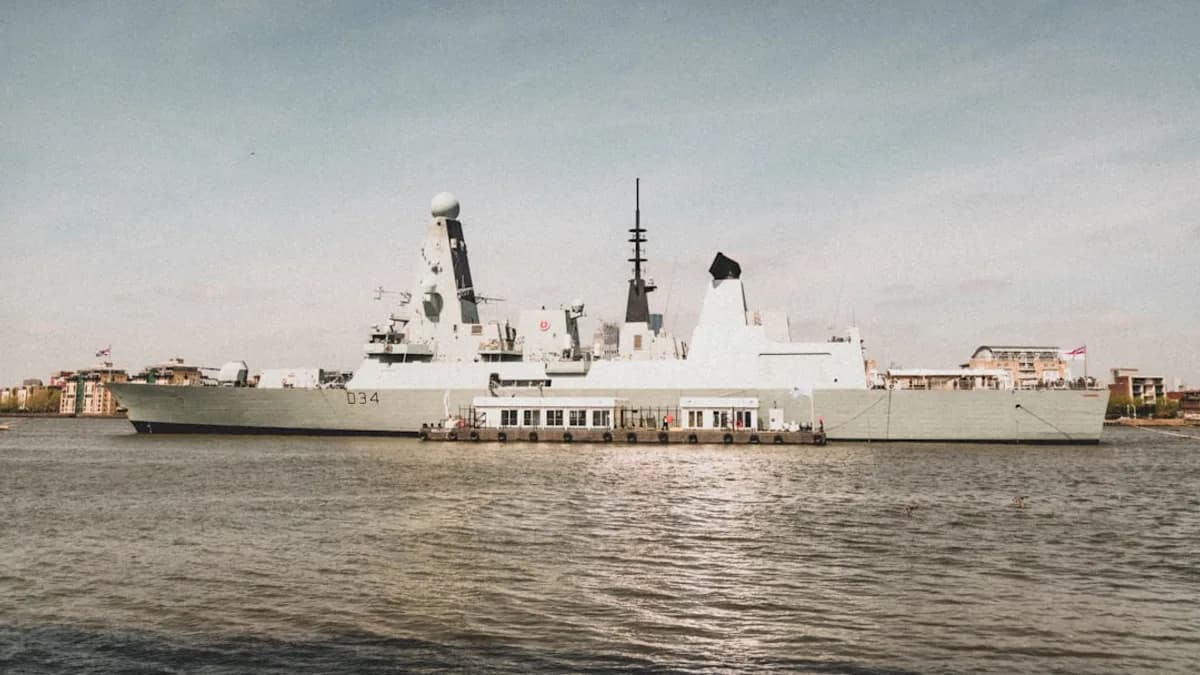
Introduction: Overview of the Japan-Australia Frigate Deal
Japan and Australia have finalized a landmark $7 billion defense contract, marking Japan’s largest-ever arms export deal to date. The agreement will see Japan’s Mitsubishi Heavy Industries (MHI) deliver three advanced Upgraded Mogami-class frigates to Australia, with potential for further expansion in the future. This contract is not only a milestone for Japan’s defense industry but also a significant step in deepening security ties between two key Indo-Pacific allies. The deal comes amid growing concerns about regional stability and the shifting balance of power in Asia-Pacific, underscoring the strategic importance of military cooperation between Japan and Australia in the face of evolving geopolitical threats [Source: Source].
Background: Japan’s Defense Industry and Export Policy
Historically, Japan maintained strict restrictions on arms exports, rooted in its pacifist constitution and post-World War II security posture. For decades, Japanese defense products were limited to domestic use, with exports largely prohibited. However, in recent years, the Japanese government has begun easing these constraints, driven by rising regional tensions and a desire to strengthen its defense industry. Policy reforms have allowed Japanese manufacturers greater flexibility in exporting military equipment, especially to allied nations. Mitsubishi Heavy Industries (MHI), Japan’s leading defense contractor, has played a pivotal role in this transition. MHI is renowned for its advanced naval platforms and has been at the forefront of Japan’s efforts to modernize its defense capabilities and expand its global footprint. The strategic motivation behind Japan’s export push is twofold: to enhance the competitiveness of its defense sector and to foster closer security partnerships with allies like Australia, thereby contributing to regional stability [Source: Source].
Details of the Frigate Deal
The centerpiece of the agreement is the Upgraded Mogami-class frigate, a highly advanced warship designed for versatility and survivability in maritime operations. These frigates feature state-of-the-art radar, stealth technology, and modular design, enabling them to perform a wide range of tasks, including anti-submarine warfare, air defense, and surface combat. The contract covers the initial delivery of three ships, with the possibility of additional units in future phases. The total value of the deal is estimated at $7 billion, making it the most substantial defense export in Japanese history [Source: Source].
The timeline for delivery is ambitious, with MHI expected to start construction soon and hand over the ships within several years. The frigates will be tailored to meet Australia’s operational requirements, incorporating enhancements such as improved propulsion systems and advanced combat management suites. Their size, agility, and multi-role capabilities make them ideal for patrolling Australia’s vast maritime domain and responding to diverse security challenges. The deal also includes provisions for technology transfer, maintenance, and crew training, ensuring that Australia can fully integrate the new vessels into its fleet. By choosing the Mogami-class, Australia gains access to cutting-edge Japanese naval technology while fostering interoperability between the two countries’ armed forces [Source: Source].
Strategic Importance for Australia
For Australia, the acquisition of Mogami-class frigates is a critical component of its ongoing naval modernization. The Royal Australian Navy faces increasing operational demands amid rising tensions in the Indo-Pacific, including challenges posed by assertive moves from regional powers and the need to safeguard vital sea lanes. Modernizing its fleet with advanced warships is essential to maintaining maritime superiority and ensuring national security.
The new frigates will enhance Australia’s ability to conduct joint operations, deter potential threats, and project power across the region. Their versatility supports a range of missions, from anti-submarine patrols to humanitarian assistance. Partnering with Japan offers strategic benefits beyond technology; it strengthens bilateral ties, improves defense supply chains, and signals a unified stance among regional democracies. The deal is expected to boost Australia’s defense capabilities while reinforcing its commitment to collaborative security efforts in the Indo-Pacific [Source: Source].
Implications for Regional Security and Geopolitics
The Japan-Australia frigate deal has broader implications for the Indo-Pacific security landscape. By deepening military cooperation, both countries aim to counterbalance regional threats and support a rules-based order amidst rising geopolitical competition. The contract signals a willingness to share advanced defense technology and foster greater interoperability between allied forces, potentially encouraging other nations to pursue similar partnerships.
Japan and Australia have emerged as key players in regional security, working closely with the United States and other partners to address challenges such as maritime disputes and the militarization of critical sea routes. The frigate deal may prompt reactions from neighboring countries, particularly China, which has expanded its naval presence and expressed concerns about increased defense collaboration among U.S. allies. While the contract is framed as a response to growing security needs, it is likely to influence regional dynamics and shape future defense alignments in the Asia-Pacific [Source: Source].
Conclusion: The Future of Japan-Australia Defense Cooperation
The landmark frigate contract reflects the evolving nature of Japan-Australia defense relations and their shared commitment to regional stability. For Japan, the deal marks a significant leap in defense exports and positions its industry as a global player. For Australia, it delivers critical capabilities and cements a strategic partnership with a trusted ally. As both countries navigate the complexities of Indo-Pacific security, this agreement lays the groundwork for further collaboration, including joint training, technology sharing, and expanded arms deals. The broader trend toward defense cooperation among regional democracies may redefine security partnerships and contribute to a more resilient and interconnected Indo-Pacific [Source: Source].