Why Israel’s $119 Billion Military Investment Signals a New Era in Defense Autonomy
Netanyahu’s $119 billion pledge isn’t just a response to regional instability—it marks Israel’s clearest pivot yet toward decoupling from foreign military suppliers. Announced as conflict with Hamas drags on and Iran’s shadow looms larger, this investment signals a strategic recalibration: Israel is betting heavily on its own technological infrastructure rather than waiting for U.S. Congressional approvals or European export licenses. The size of the package dwarfs previous announcements, and the timing is pointed. As the threat of embargoes and sanctions rises, Netanyahu is telling both allies and adversaries that Israel intends to build, deploy, and maintain next-gen weapons systems with minimal reliance on external actors, according to Al Jazeera.
This isn’t just about hardware. The emphasis is on indigenous R&D, with a clear focus on missile defense, drones, and cyber capabilities—areas where Israel already outpaces most regional rivals. The shift toward self-reliance is also a hedge against shifting political winds in Washington. As U.S. military aid comes under scrutiny and global supply chains remain vulnerable, Israel’s leaders see domestic production as the only insurance policy that counts. If successful, this will redefine the country’s defense posture for years to come.
Breaking Down the $119 Billion: What the Numbers Reveal About Israel’s Defense Priorities
The headline figure—$119 billion—blows past Israel’s typical annual defense budget, which hovered around $30 billion in recent years. This commitment represents nearly four years’ worth of spending compressed into a single strategic push. Early indications from government officials point to a split: roughly 40% earmarked for missile defense and anti-air systems, 25% directed at unmanned aerial vehicles and drone tech, and the rest divided between cyber warfare, satellite surveillance, and next-gen infantry gear.
Compare this to the U.S. Department of Defense’s $842 billion budget (2024), or Saudi Arabia’s $75 billion, and Israel’s investment stands out not by sheer scale but by intensity relative to population and GDP. For a country of under 10 million, this level of defense spending is without precedent. Key projects likely to receive outsized funding include the “Iron Beam” laser defense platform, expanded “David’s Sling” batteries, and cutting-edge drone swarms capable of autonomous operation in contested airspace.
Israel’s cyber command, already a world leader, is set for a major upgrade—potentially doubling its current workforce and integrating advanced AI models for threat detection. The focus on indigenous production signals a shift away from “off-the-shelf” U.S. and European platforms, with Israeli firms like Elbit Systems, Rafael, and Israel Aerospace Industries poised for a boom. The numbers reveal a defense establishment betting on technological agility and local manufacturing as the backbone of its strategy.
Diverse Stakeholder Perspectives on Israel’s Massive Military Spending Boost
Israeli politicians are divided, but the lines don’t follow party conventions. Hawks in Netanyahu’s coalition argue the investment is overdue, citing Iran’s missile program and Hezbollah’s arsenal. Centrists and some opposition leaders question the opportunity cost: $119 billion is nearly a quarter of Israel’s GDP, raising concerns about squeezing health, education, and infrastructure. Defense industry executives, meanwhile, see dollar signs—Elbit and Rafael shares surged 7% in Tel Aviv trading after the announcement.
Military officials, especially those with operational experience, largely support the move. They argue recent conflicts exposed gaps in Israel’s ability to replenish munitions and adapt to new threat vectors without waiting for U.S. approval. However, retired generals warn that rapid spending can breed inefficiency and corruption, pointing to past procurement scandals.
International reaction is predictably mixed. U.S. policymakers worry about losing leverage over Israeli military operations, while European allies fret about destabilizing the regional arms balance. Gulf States—especially Saudi Arabia and UAE—view the investment as a signal to accelerate their own indigenous defense programs. Iran’s response was swift: state media denounced the move as “provocative escalation,” warning it would “redouble efforts” to expand missile and drone capabilities.
Within Israel, public sentiment is split. Polling released three days after Netanyahu’s speech shows 54% support for ramping up defense investment, but 41% worry about the impact on social spending. The economic debate is intensifying, especially as inflation and cost-of-living pressures mount.
How Israel’s Military Investment Compares to Historical Defense Spending Patterns
Israel’s defense budget has always been outsized for its population, but this leap is historic. In the 1970s, defense spending regularly consumed over 20% of GDP, peaking in the wake of the Yom Kippur War. The post-Oslo period saw a gradual decline, with the budget bottoming out at just under 6% of GDP in 2015. The last comparable surge came during the Second Intifada (early 2000s), when emergency procurement pushed spending up by $10 billion in two years.
Globally, only a handful of countries have attempted similar concentrated investment. The U.S. “Reagan buildup” in the 1980s, and Saudi Arabia’s post-2015 military modernization, are the closest analogues. Historically, such moves have triggered rapid technological advancement—Israel’s 1980s investment in avionics spawned the Lavi fighter program, which, though canceled, led to breakthroughs in drone and missile tech. The outcome: Israel moved from buyer to exporter, reshaping its military-industrial complex.
Implications of Israel’s Military Expansion for Global Defense Industry and Regional Stability
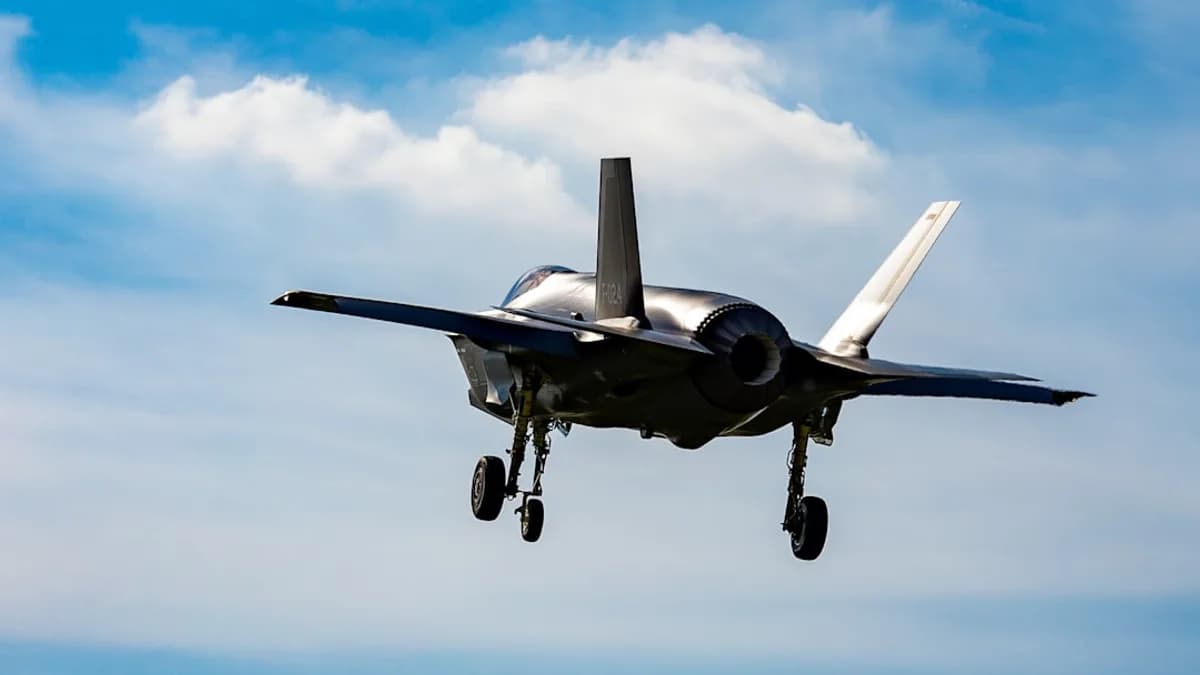
A $119 billion injection will ripple across the global arms market. Israeli defense firms already export $12 billion annually, and this investment will boost capacity, likely making Israel a net exporter of advanced missile and drone systems by 2030. U.S. and European suppliers could lose business, especially as Israel refines proprietary tech and tightens export controls. Expect more countries to seek Israeli-built missile shields and cyber tools—especially those wary of Russian or Chinese equipment.
Regional power dynamics are set for a shakeup. Egypt, Jordan, and Turkey cannot match Israel’s spending or innovation pace, and their militaries risk falling behind technologically. Gulf monarchies will respond with their own procurement surges, possibly triggering an arms race focused on unmanned systems and AI-driven battlefield platforms. For adversaries like Iran and Hezbollah, Israel’s investment is a red flag: it signals not just deterrence but the ability to project force rapidly and independently.
The risks are real. If Israel’s expanded arsenal emboldens more aggressive operations in Lebanon, Gaza, or Syria, regional instability could worsen. On the flip side, Israeli advances in missile defense might push adversaries toward asymmetric tactics—cyber attacks, sabotage, and proxy warfare. International stakeholders, especially the U.S. and EU, must weigh the benefits of Israel’s technological progress against the danger of escalation and proliferation.
What Israel’s $119 Billion Military Investment Means for Technology Innovation and Economic Growth
Defense spending has long been a catalyst for Israeli innovation. The military’s need for secure communications, AI-powered surveillance, and autonomous vehicles has spun off dozens of unicorns—think Mobileye and NSO Group. The new investment will turbocharge R&D, with spillover effects in robotics, cybersecurity, and quantum computing.
Job creation is likely: the defense tech sector already employs over 150,000 Israelis, and government forecasts suggest the new initiative could add 30,000 more positions by 2030. Export growth is a near certainty, as Israeli firms refine products for both domestic and international markets. The challenge, as critics note, lies in balancing defense investment with civilian needs. Rapid expansion can strain budgets and talent pools, risking neglect of health, education, and infrastructure. If managed carefully, though, the multiplier effect from military R&D could cement Israel’s status as a global innovation hub.
Forecasting the Future: How Israel’s Military Investment Could Shape Defense Trends and Regional Security by 2030
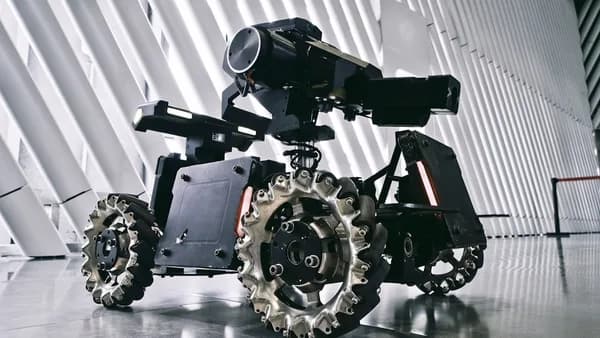
By 2030, Israel will likely deploy laser-based missile defense, AI-driven drone swarms, and autonomous ground vehicles—all developed in-country. The military’s operational tempo will increase, with faster adaptation to new threats and greater flexibility in launching or defending against preemptive strikes. Partnerships will shift: Israel could reduce reliance on U.S. hardware, instead forming tech-driven alliances with regional actors like the UAE and India.
The ripple effects will be global. Expect NATO and Asian militaries to study, and often adopt, Israeli innovations—especially in cyber defense and unmanned platforms. Regional security will become more volatile: while Israel’s deterrence will strengthen, adversaries may pivot to unconventional warfare, increasing the risk of cyber sabotage and proxy clashes.
The most likely scenario: Israel cements its role as the Middle East’s military innovator, forcing neighbors to modernize or risk irrelevance. Defense tech will become a primary export, boosting the economy while multiplying geopolitical influence. But the price of autonomy will be constant vigilance—every breakthrough invites a new challenge, and the region’s arms race shows no sign of slowing.
Why It Matters
- Israel is setting a new standard for defense autonomy by prioritizing domestic military production.
- The massive investment reflects rising concerns about reliance on foreign suppliers amid geopolitical uncertainties.
- This strategic shift could reshape regional power dynamics and impact global defense supply chains.